The Amish are widely admired for a lifestyle that values simplicity, hard work, and self-reliance—and their kitchens reflect those principles. Rooted in fresh ingredients, practical tools, and time-honored techniques, Amish cooking offers straightforward approaches that can improve flavor, reduce waste, and make home cooking more satisfying. Whether you want to bake better bread, preserve the harvest, or streamline weekly meals, these Amish kitchen practices are easy to adopt and deliver reliable results.
Fresh and Whole Ingredients Are Key
At the heart of Amish cooking is a commitment to fresh, whole foods. Many families grow vegetables, raise animals, and use freshly milled grains and simple pantry staples. This focus on unprocessed ingredients highlights natural flavors and often means fewer, higher-quality components in each dish. You don’t need exotic items to cook well—just fresh produce, whole grains, and basic seasonings.
Make Bread From Scratch
Homemade bread is a hallmark of Amish kitchens. Making bread from scratch produces a fresher, more wholesome loaf with superior texture and aroma compared with most store-bought options. The process becomes faster with practice and rewards you with warm, fragrant bread for family meals. Learning basic bread techniques—mixing, kneading, rising, and baking—will transform how you use your kitchen.
Cook in Bulk for Efficiency
Cooking in large batches is a practical way to save time and reduce stress. Amish cooks frequently prepare stews, roasts, soups, and baked goods in quantities that serve several meals or freeze well for later. Bulk cooking minimizes daily prep, cuts down on energy and ingredient waste, and ensures homemade meals are always within reach on busy days.
Use Cast Iron Cookware
Durable, versatile cast-iron pans and skillets are staples in Amish homes. Cast iron distributes heat evenly and is excellent for searing, baking, frying, and slow-cooked dishes. When properly seasoned, cast iron develops a natural nonstick surface and can last for generations, making it an economical, no-frills investment for everyday cooking.
Canning and Preserving Food
Canning, pickling, and other preserving methods extend the growing season and lock in peak flavors. Amish families routinely preserve fruits, vegetables, sauces, and jams so seasonal produce can be enjoyed year-round. Learning basic water-bath and pressure canning techniques allows you to create a pantry of healthy, homemade foods and reduces reliance on processed alternatives.
Use Herbs and Spices from the Garden
Fresh herbs are a simple way to brighten dishes without artificial additives. Growing basil, thyme, rosemary, and other common herbs provides instant flavor boosters for soups, roasts, salads, and teas. Even a small windowsill herb garden can supply enough to make a noticeable difference in everyday cooking while adding variety and aroma.
Make Use of Every Part of the Animal
Respecting ingredients and minimizing waste is an essential Amish value. Using bones for broth, rendering fat for cooking, and repurposing scraps into stocks or casseroles extend the value and nutrition of meat purchases. Learning to make stock from bones or to incorporate leftovers into new dishes will stretch your grocery budget and enrich the flavors in your kitchen.
Homemade Butter Is Always Better
Churning butter from fresh cream yields a rich, creamy product that enhances baked goods and everyday meals. Even without farm-fresh cream, you can make butter at home using heavy cream and a simple method. Homemade butter lets you control salt and additives, and its flavor and texture are often far superior to many commercial options.
Bake Pies with Lard for Flaky Crusts
For a tender, flaky pie crust, many traditional cooks prefer lard. When used properly, lard yields a delicate texture that’s hard to replicate with other fats. If you choose to use lard, seek a quality, minimally processed source and follow tested recipes to achieve reliable results.
Start Your Own Sourdough Starter
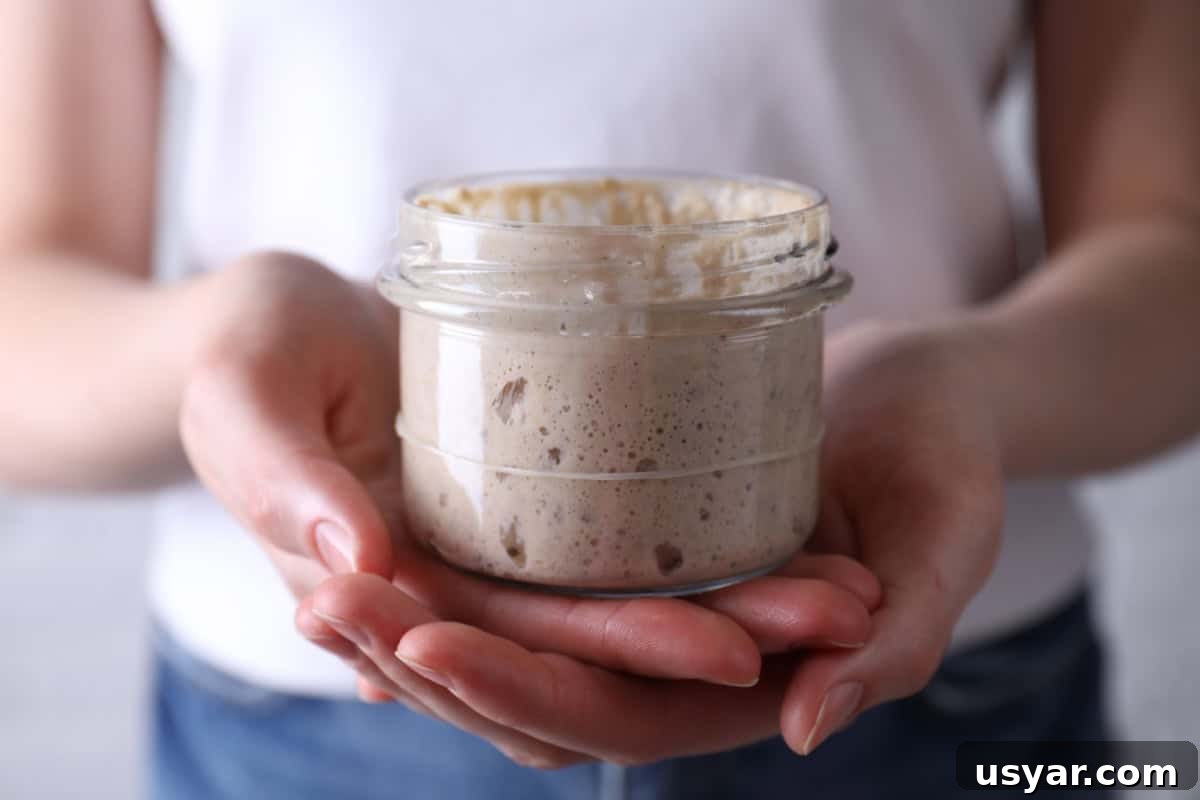
A sourdough starter is a living culture of wild yeast and bacteria that adds flavor and structure to breads, pancakes, and more. Creating and maintaining a starter requires only flour, water, and a bit of patience, but it rewards you with distinctive tangy flavor and improved keeping qualities in baked goods.
Use Natural Sweeteners
Natural sweeteners like honey and maple syrup are common in Amish kitchens. These ingredients contribute sweetness along with complementary flavors and trace nutrients that refined sugar lacks. Substituting natural sweeteners can enhance the taste of baked goods, jams, and breakfasts while offering a more nuanced flavor profile.
Slow Cook for Richer Flavors
Slow cooking allows tougher cuts of meat and root vegetables to break down slowly, creating tender textures and deeply developed flavors. Stews, pot roasts, and soups benefit from low, steady heat. If you don’t have a slow cooker, a low oven or a gentle simmer on the stove achieves similar results.
Keep Meals Simple
Amish meals are typically straightforward and hearty, relying on a few quality ingredients combined with reliable techniques. Simplicity makes flavors shine and reduces prep time, so focus on fresh produce, good fats, and well-managed cooking times rather than overly complex recipes.
Make Use of Leftovers
Leftovers are routinely repurposed into new, delicious meals instead of being discarded. Roast chicken becomes soup or pot pie, and yesterday’s vegetables can be turned into frittatas or hash. Creative use of leftovers reduces waste, saves money, and provides quick, satisfying meals with minimal effort.
Bake in Large Batches
Baking in larger quantities—bread, cookies, pies—keeps the household well-supplied and cuts down on repetitive prep. Many baked items freeze or store well when kept in airtight containers, making batch baking a practical way to always have homemade treats on hand.
Related: 15 Clever Hacks To Reduce That Never-Ending Grocery Bill

Applying Amish kitchen techniques—batch cooking, preserving, using every part of an ingredient, and growing herbs—can lower food costs and simplify meal planning. These practical habits help households make the most of each grocery dollar while keeping meals wholesome and flavorful.