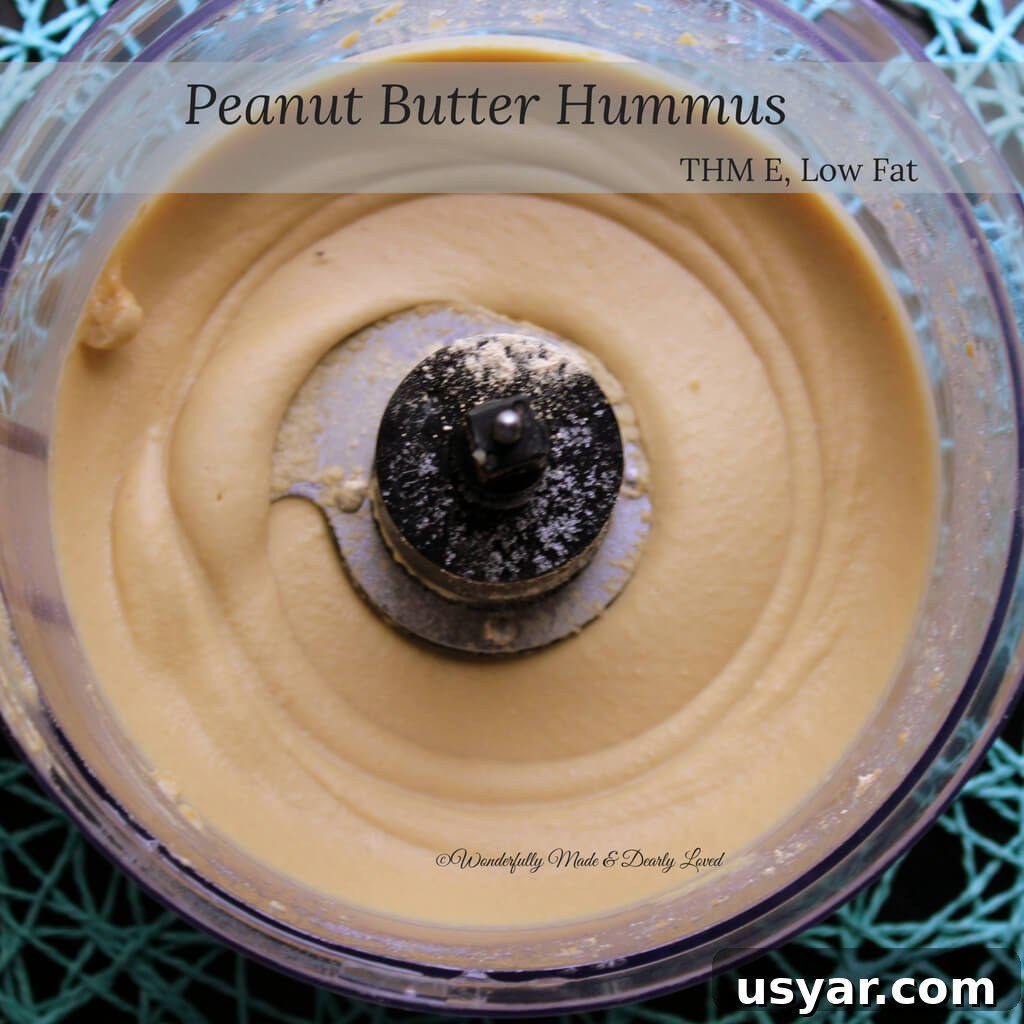
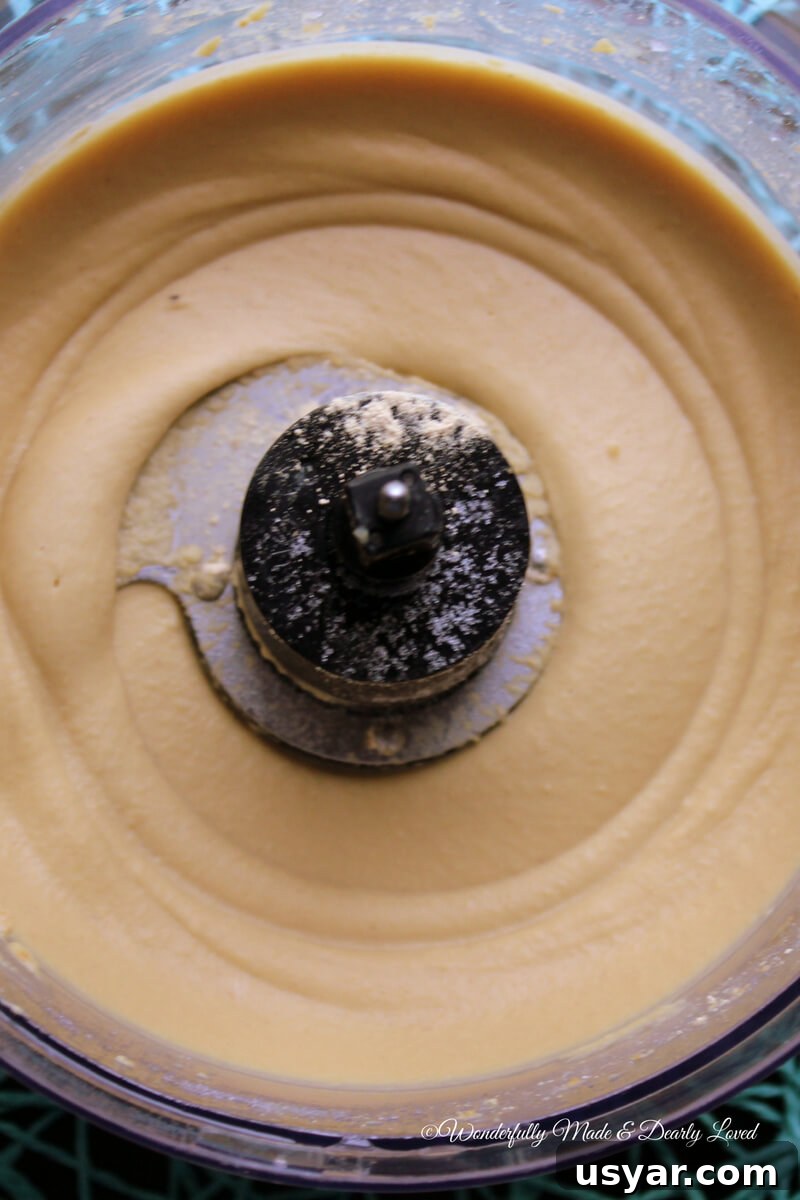
This smooth, creamy peanut butter hummus is a versatile, low-fat dip that delivers natural protein along with vitamins and minerals. Its lightly sweet, peanut-forward flavor works beautifully as a snack, a dessert-inspired spread, or a healthy alternative to traditional hummus.
We enjoy serving this with crunchy celery sticks, apple slices, sliced strawberries, sourdough crackers, rice cakes, or toasted pita. It’s also delicious spread on toast or used as a filling for sweet wraps. Sometimes I admit I eat it straight from the bowl with a spoon — it’s that satisfying.
This post may contain affiliate links to Amazon or other programs. I may earn a small commission from purchases made through these links; your price does not change. See full disclosure on the original site.
How I Make Peanut Butter Hummus
I start with chana dal that I cook until tender, which makes the hummus smooth and quick to prepare in a blender or food processor. Using cooked chana dal creates a neutral base that lets the peanut flavor shine, while keeping the overall fat content lower than using traditional peanut butter.
Inspired by dessert-style hummus recipes, I developed a peanut butter version that trims fat without sacrificing taste. I often use pressed peanut flour to add concentrated peanut flavor with minimal oil. For creaminess and a healthful boost, a small amount of medium-chain triglyceride (MCT) oil can be added, either blended in or drizzled on top when serving.
Hummus and Trim Healthy Mama
In the Trim Healthy Mama approach, beans like chickpeas or chana dal are considered an energizing fuel (E), while tahini or higher-fat additions are seen as satisfying ingredients (S). Hummus can lean toward a crossover depending on added fats. To fit an E-style snack, limit added fats and emphasize the legumes and flavorings. For an S-style option, include a small amount of healthy fat and enjoy smaller portions alongside other S foods.
If you follow Trim Healthy Mama principles, note that small amounts of beans can be included in S meals and that adding some fat to E meals can help with mineral absorption. Adjust ingredient amounts and serving sizes to match your meal plan preferences.
Follow my social channels for more recipes and updates on new dishes and tips.
Peanut Butter Hummus Recipe
- 2 cups cooked chana dal (cooked and drained)
- 1/4 cup pressed peanut flour (defatted peanut flour)
- 2 teaspoons vanilla extract
- 2 tablespoons erythritol-stevia blend or preferred sweetener (adjust to taste)
- 1/2 teaspoon mineral or fine sea salt
- 1 tablespoon MCT oil or light oil, optional for added creaminess
- Cook the chana dal until soft, then rinse and reserve a little cooking liquid in case you need to thin the hummus.
- Place the cooked dal in a food processor or high-speed blender. Process until smooth, adding 1 to 2 tablespoons of the reserved cooking liquid if needed to reach a creamy consistency.
- Add the pressed peanut flour, vanilla, sweetener, and salt. Process until everything is well combined and the texture is velvety. Taste and adjust sweetness or salt as desired.
- If using MCT oil, either blend it in for a creamier texture or drizzle it over the hummus just before serving for a glossy finish.
Notes and variations: For a richer peanut flavor, increase the peanut flour slightly or add a tablespoon of natural peanut butter if you don’t need the lowest-fat version. To make a chocolate-peanut version, stir in a tablespoon of cocoa powder and a touch more sweetener. For a smoother dessert-style spread, strain the cooked dal briefly and blend on high speed.
Storage and serving tips: Store peanut butter hummus in an airtight container in the refrigerator for up to five days. Stir gently before serving; the texture may firm slightly as it chills. This hummus is freezer-friendly for up to three months—thaw in the refrigerator and re-blend if separation occurs.
Serving suggestions: Serve chilled or at room temperature with fresh fruit, vegetable sticks, crackers, or use as a sandwich spread. A light sprinkle of chopped peanuts or a drizzle of MCT oil on top adds texture and a professional finish.