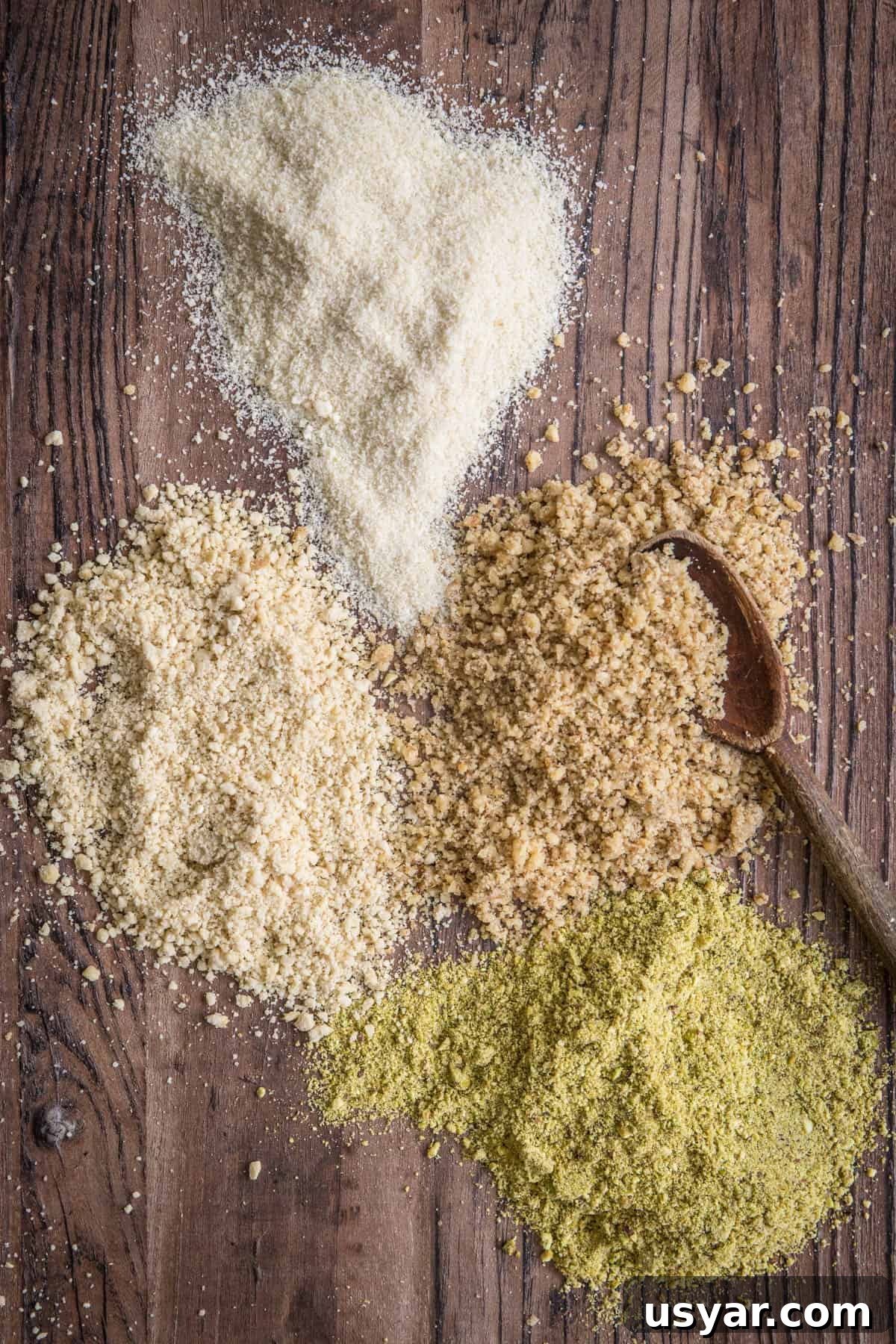
Nut flours are versatile alternatives to grain-based flours. Readily available and simple to use, they add moisture, flavor and structure to bakes. This guide explains the main types of nut flours, how to make them at home, and how to use them in gluten-free and grain-free baking.
Table of Contents
Nut flours work well combined with wheat flours for added taste and texture, and they are especially valuable in gluten-free and grain-free baking. Rich in protein and natural oils, nut flours produce moist, flavorful cakes, breads and cookies with good structure and density.
In gluten-free baking it helps to group flours by their properties. Nut flours are a key gluten-free category and can dramatically improve the texture and flavor of breads, cakes, cookies and pastries when used thoughtfully.
What Classifies A Nut?
A nut is a fruit enclosed in a hard shell that contains a single seed or kernel. In culinary practice, several seeds and legumes that behave like nuts are grouped together as nut flours even if they are not botanically true nuts.
What Nut is Not A Nut?
Some ingredients commonly called “nuts” are technically different: for example, cashews are seeds and peanuts are legumes, yet they behave similarly in cooking and baking and are therefore included in the nut flour category. Some items that are sometimes confused with nut flours—such as tiger nut flour or coconut flour—have different properties and are not covered here.
Types Of Nut Flours
There are three main types of nut flours you will encounter:
1. Nut Meal / Ground Nuts
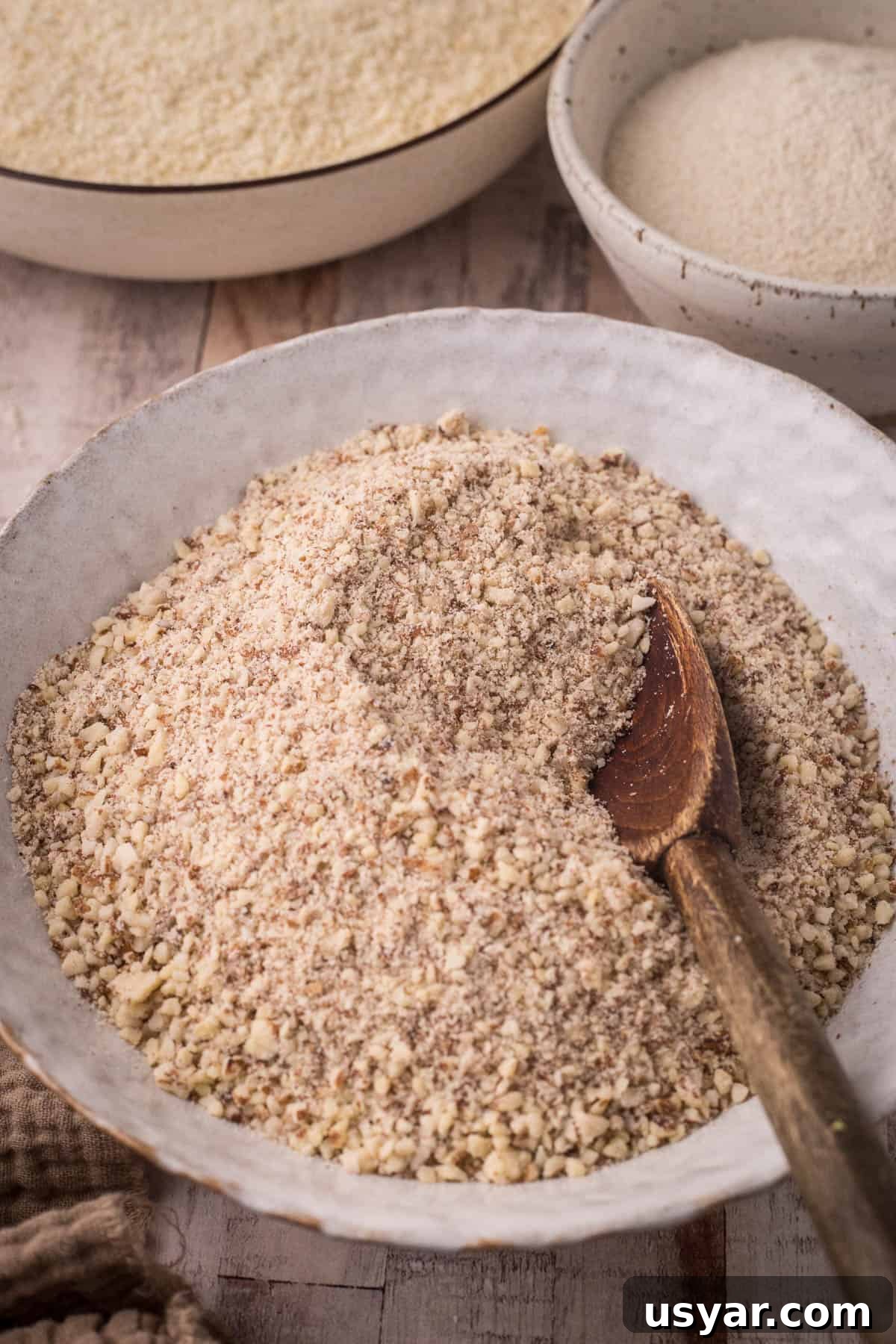
Nut meal is made from whole raw nuts ground with their skins on. The texture is coarser and more rustic—closer to finely chopped nuts—and it often has brown flecks from the skins. Use nut meal where a nutty, slightly textured crumb is desirable, such as in rustic breads, muffins or coatings.
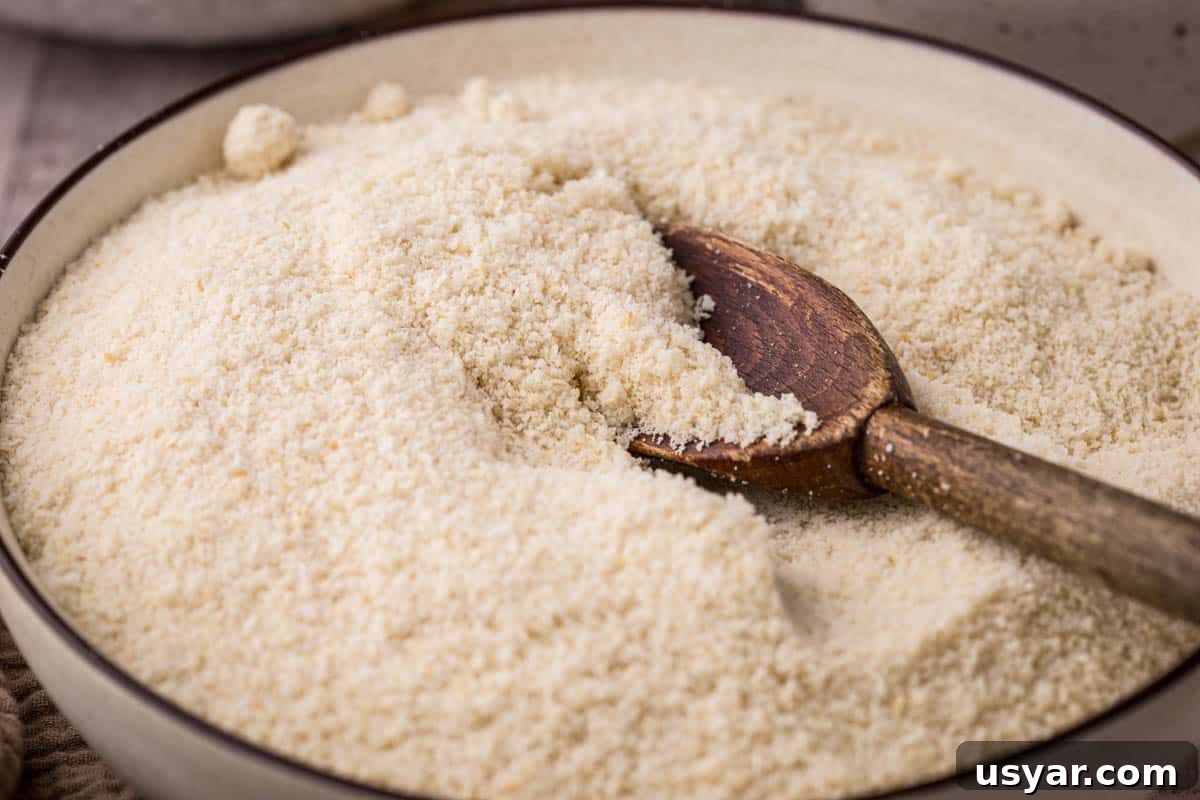
2. Nut Flour
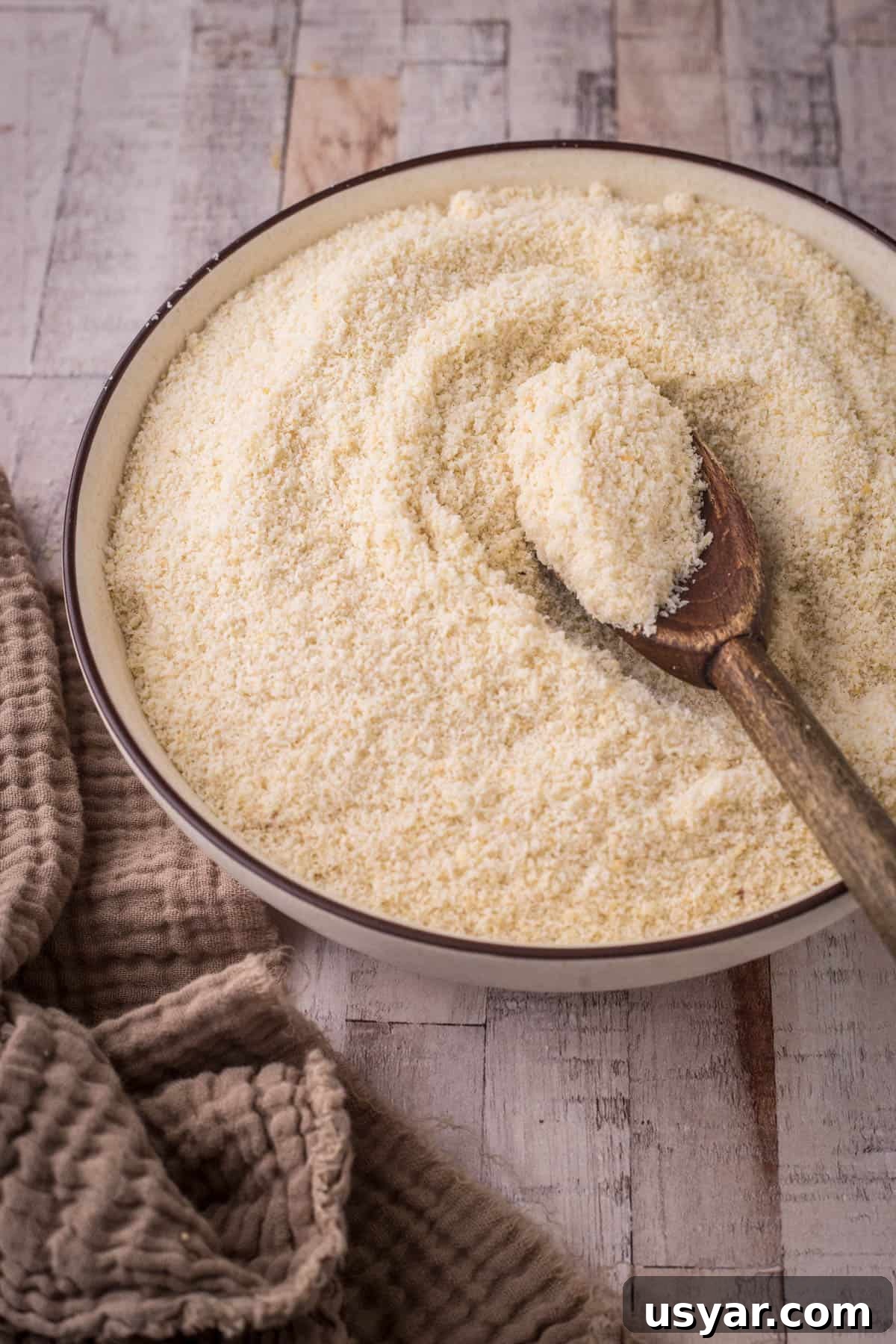
Nut flour is produced from blanched nuts with the skins removed and ground to a finer consistency. This creates a softer, more uniform texture that blends into cakes, cookies and pancakes without being noticeable. In many stores almond flour is sold as ‘ground almonds’—check the label if you need blanched vs. whole.
3. Defatted Nut Flour
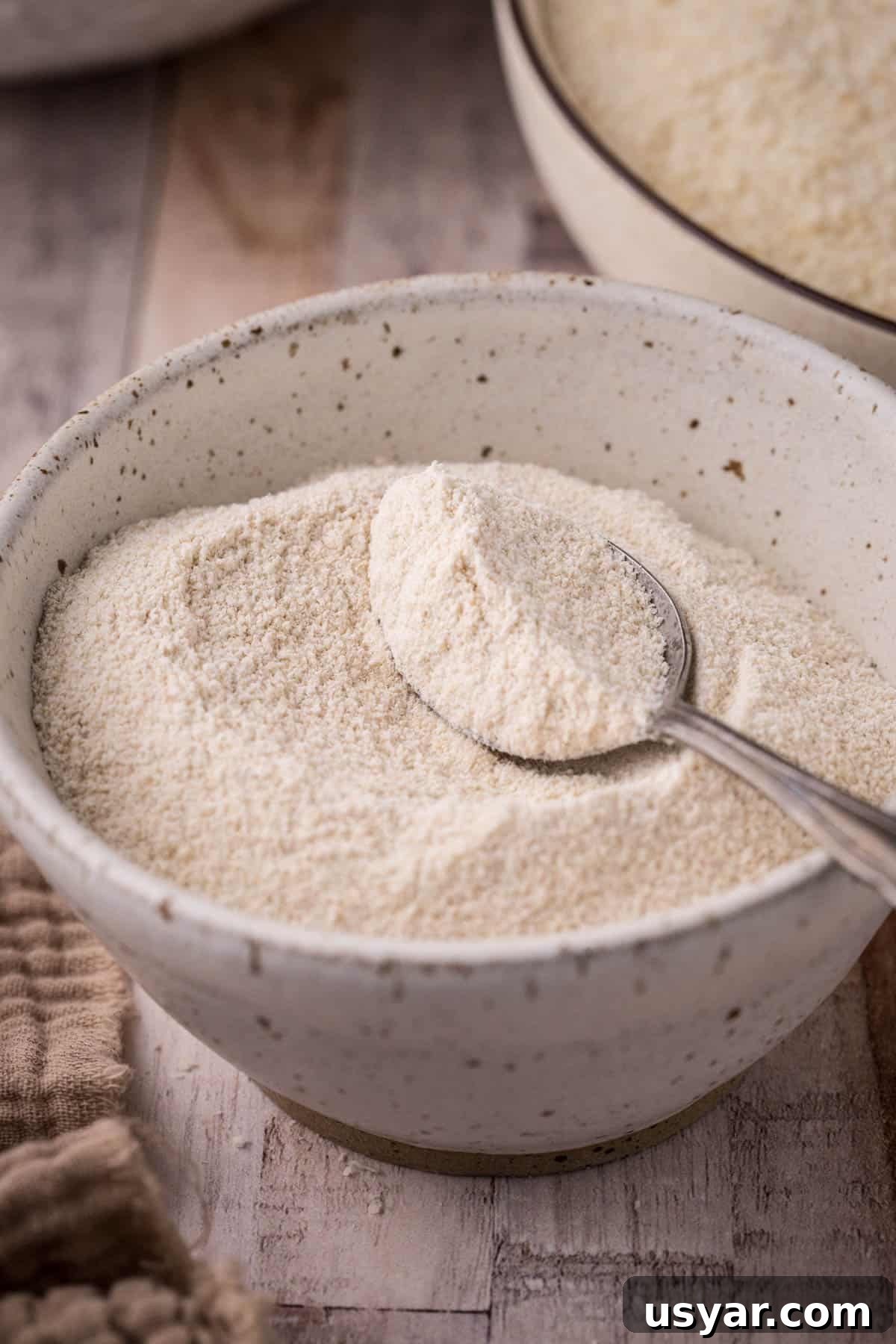
Defatted nut flour is made from blanched nuts from which some oils have been removed during processing. The result is a finer, powdery flour with lower fat and higher relative protein. This type of flour can improve structure, provide elasticity in breads and give a crisp finish to cookies, though it is often pricier and less widely available.
Baking With Nut Flours
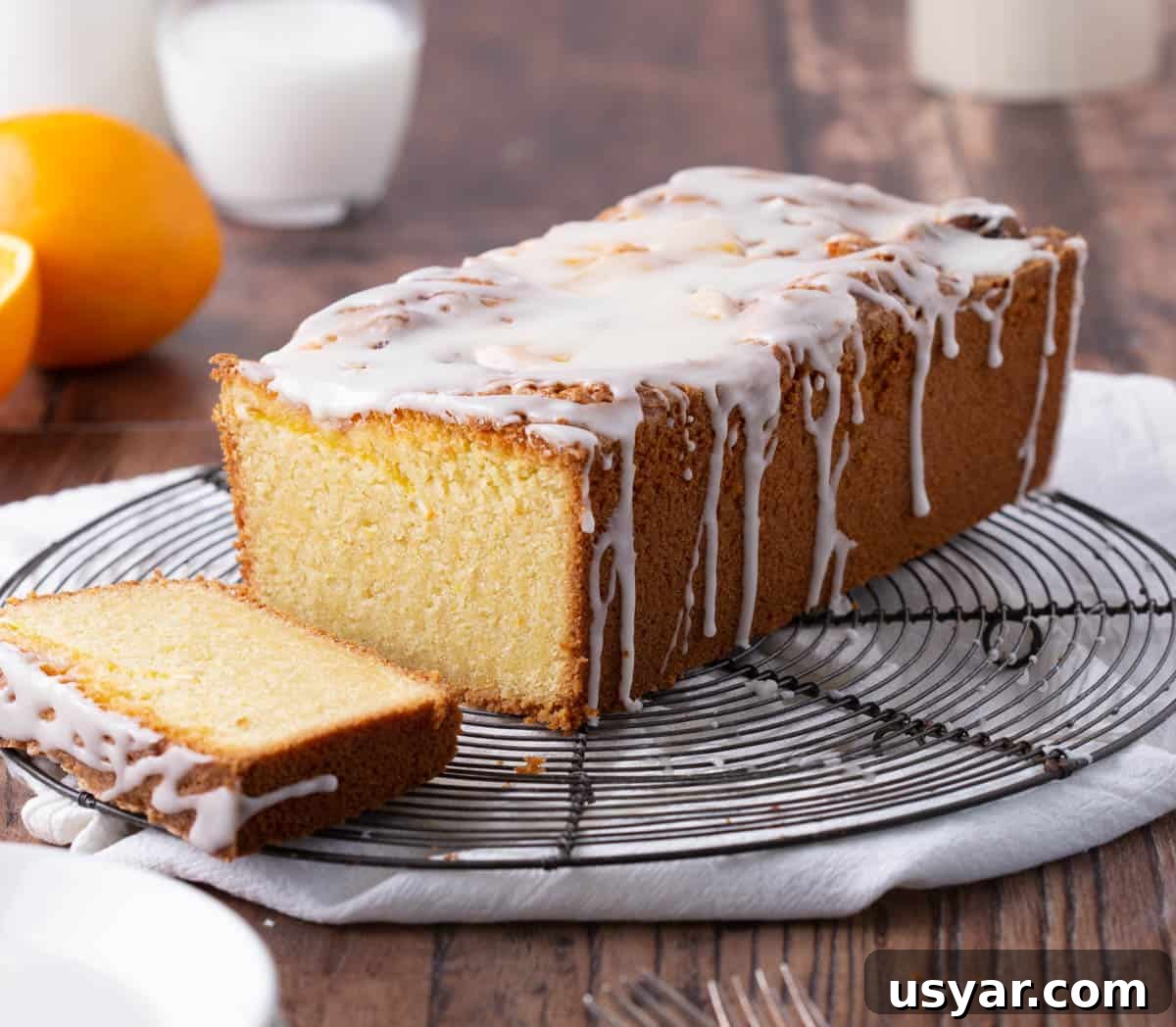
Nut flours and nut meal can often be used interchangeably, but the final texture will vary. Use finely milled nut flour for delicate cakes and macarons, and nut meal when a coarser, nuttier texture is acceptable. When using defatted nut flour, reduce added liquid slightly since it contains less oil.
For balanced results it’s best to use nut flours as part of a blend rather than as a straight swap for wheat flour. Nut flours are dense and prone to clumping; combining them with a gluten-free all-purpose blend helps lighten the crumb and improves binding.
- Nut flour contributes moisture and structure.
- A gluten-free all-purpose flour or starchy flour lightens texture and adds binding power.
Flour Blend Hack
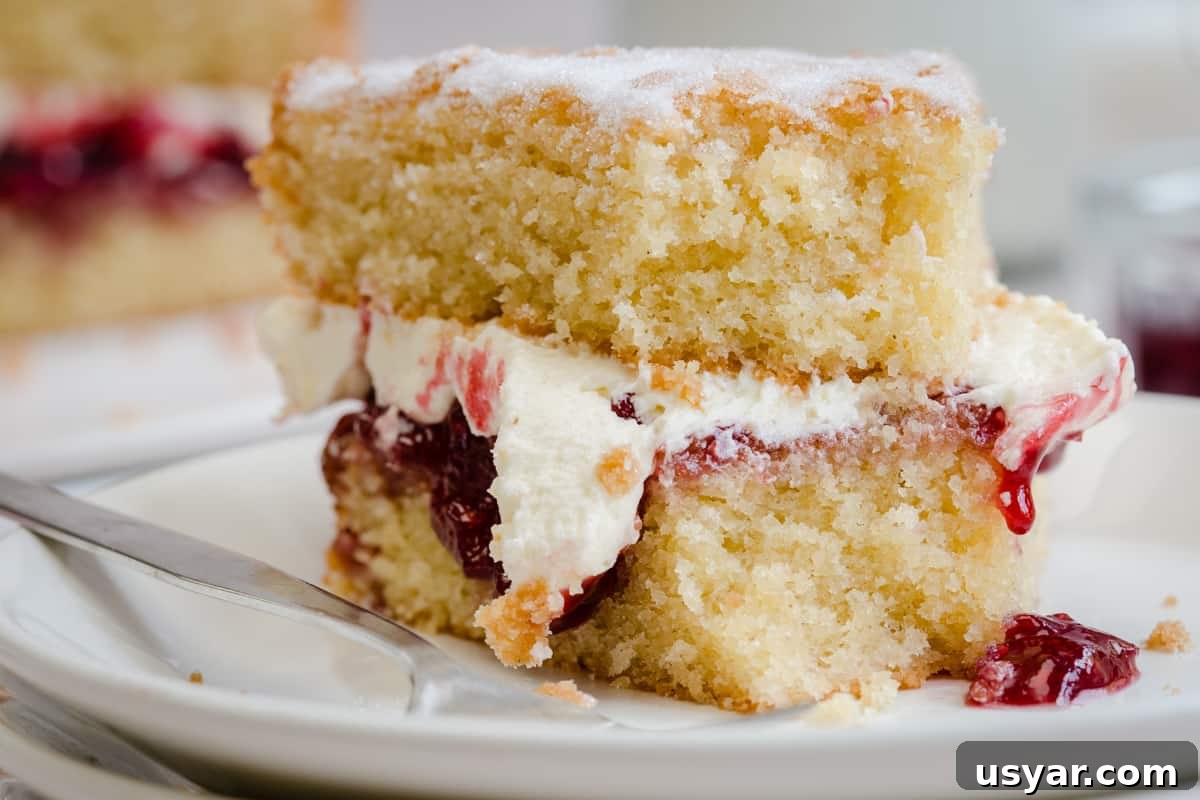
If an all-purpose gluten-free mix gives dry or crumbly cakes, replace part of that blend with nut flour. A commonly successful approach when converting a wheat recipe is to split the wheat flour weight into half nut flour and half gluten-free all-purpose flour. Almond flour is a reliable choice because of its protein content, but be mindful of the flavor the nut will add.
Advantages Of Nut Flours
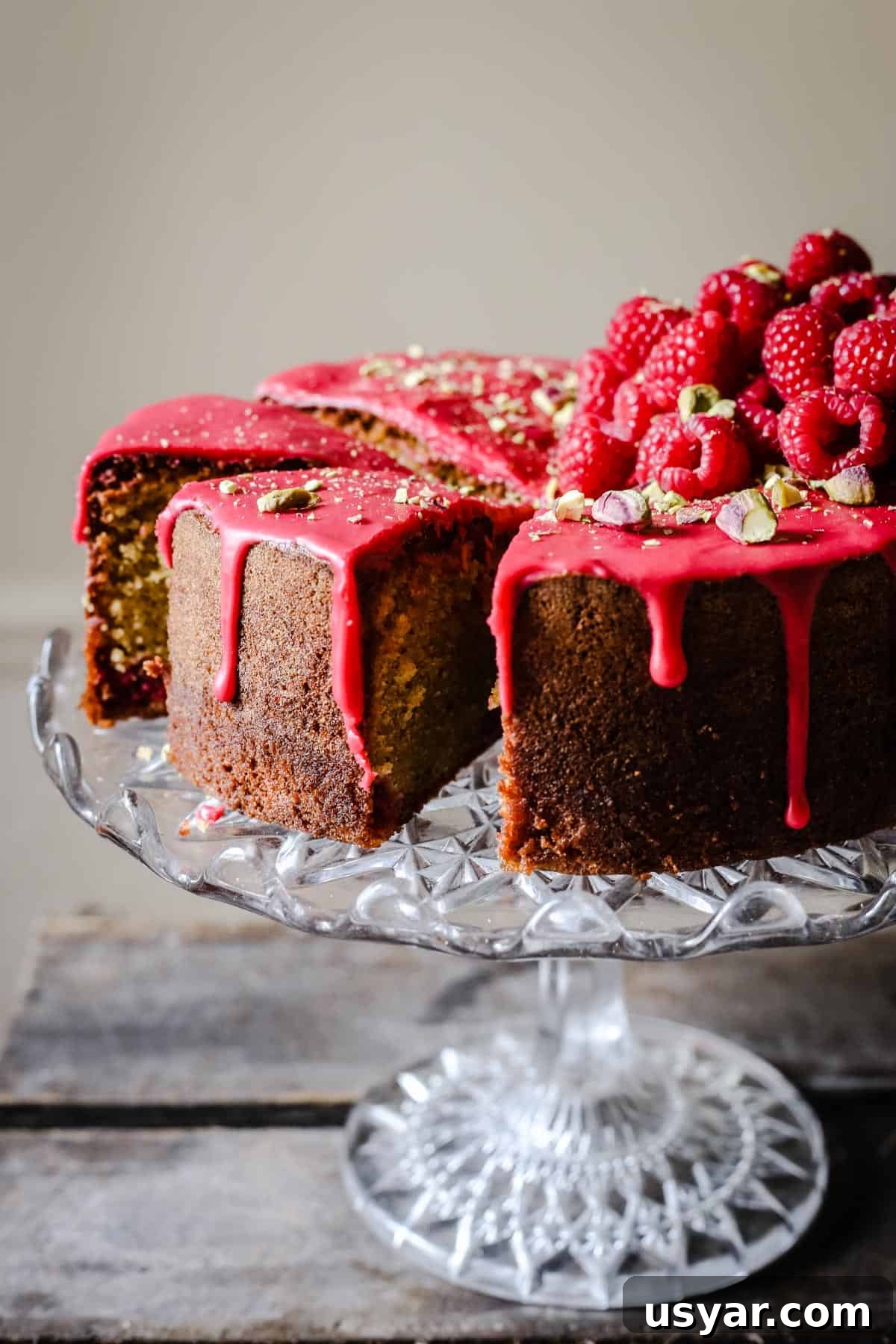
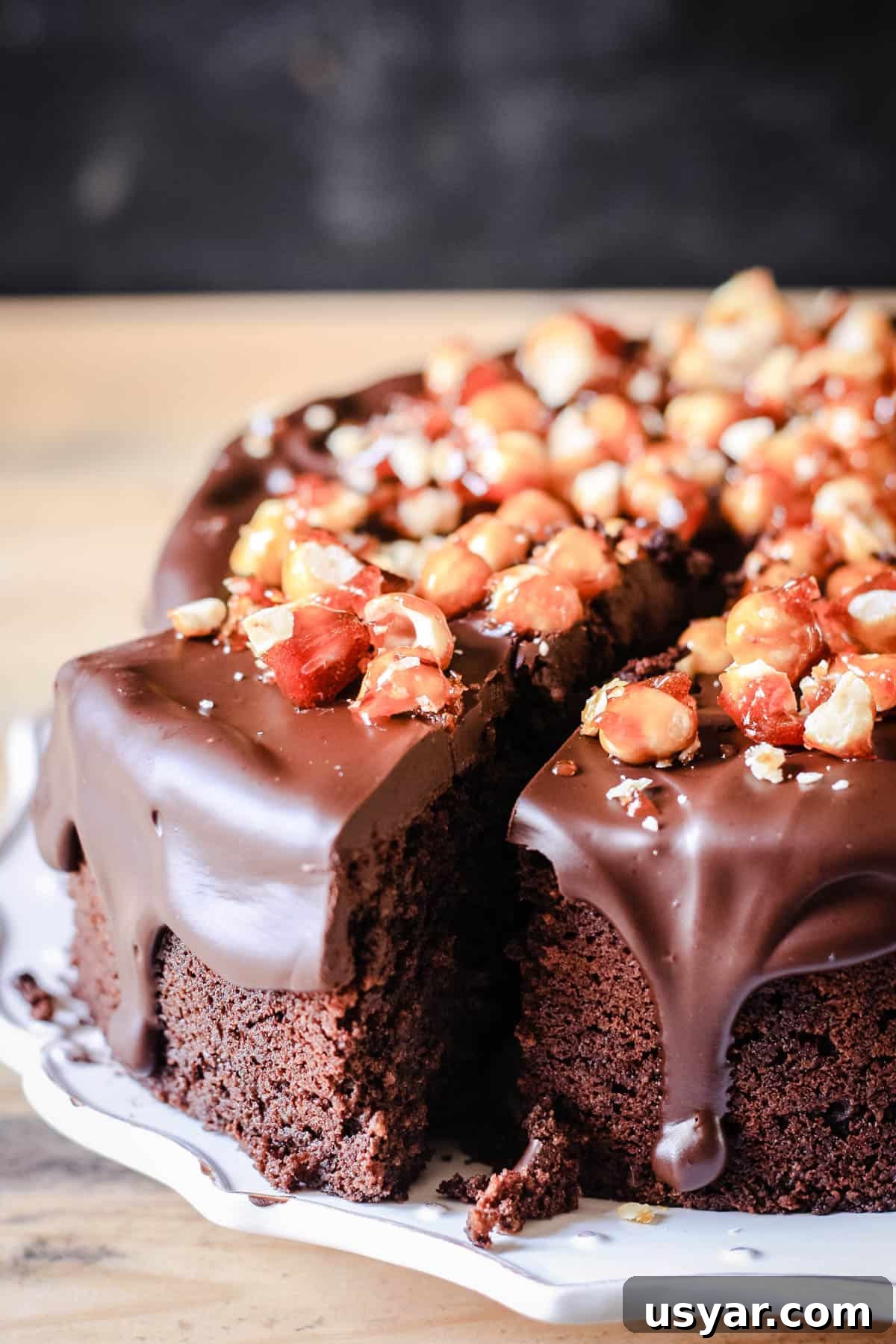
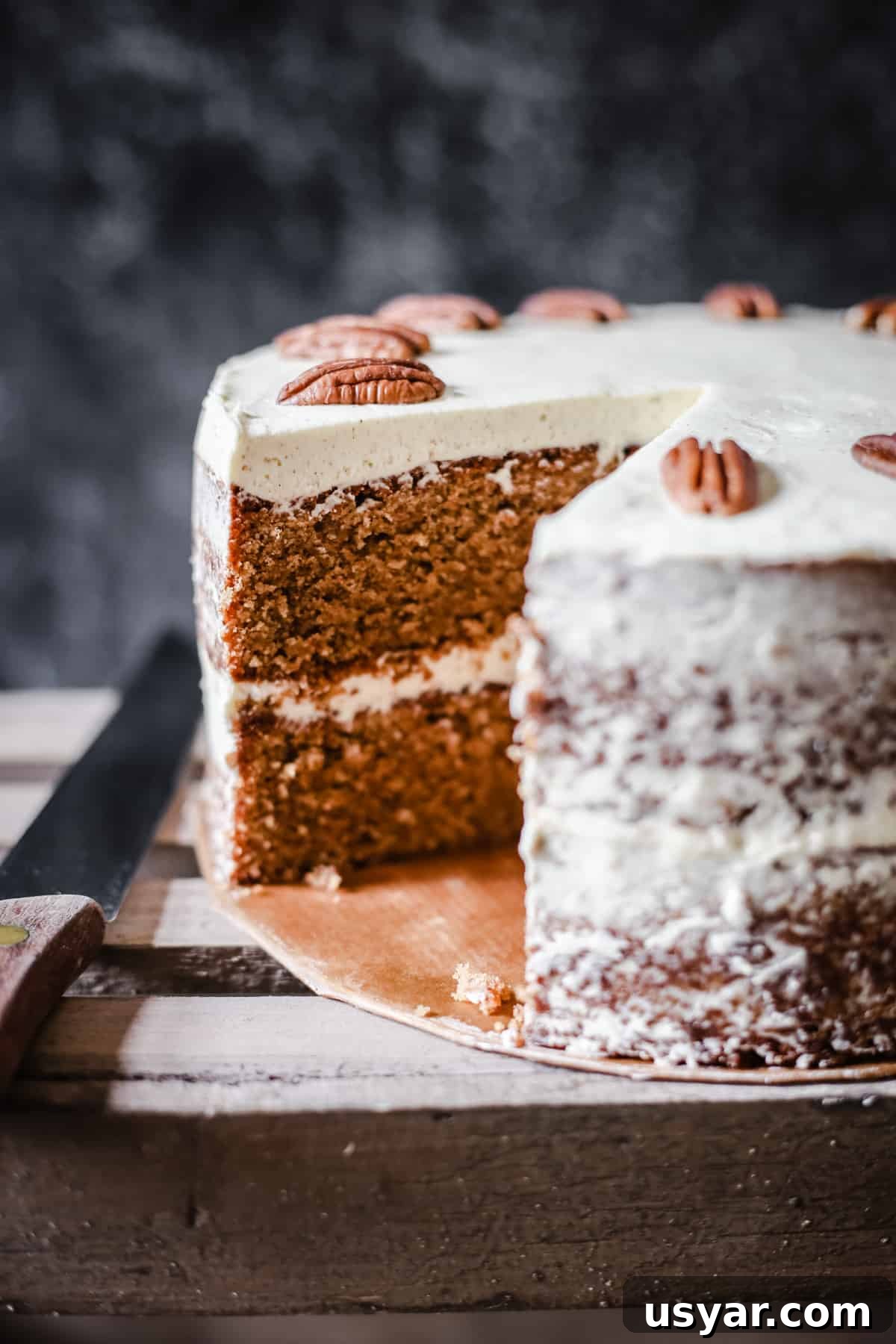
Grain-free: Suitable for grain-free diets. High in protein: Protein improves structure and stability in baked goods. Moist crumb: Natural oils keep cakes and breads tender and moist. Flavor: Nut flours add depth—almonds are versatile, hazelnuts pair beautifully with chocolate, and walnuts work well with coffee.
Disadvantages Of Nut Flours
The main drawbacks are cost—nuts are more expensive than many gluten-free flours—and allergens, since tree nuts and peanuts are common allergens. If cost is a concern, consider making nut flour at home from bulk nuts.
Nut Flour Substitutes
If you need to replace nut flour, legume flours like chickpea or soy flour offer higher protein and can provide structure, though they may lend a beany flavor. Starchy flours bind and add moisture but often produce drier results than nut flours. For flavor-specific nut flours (hazelnut, walnut), substitutes rarely match the same profile.
Making Your Own Nut Flour
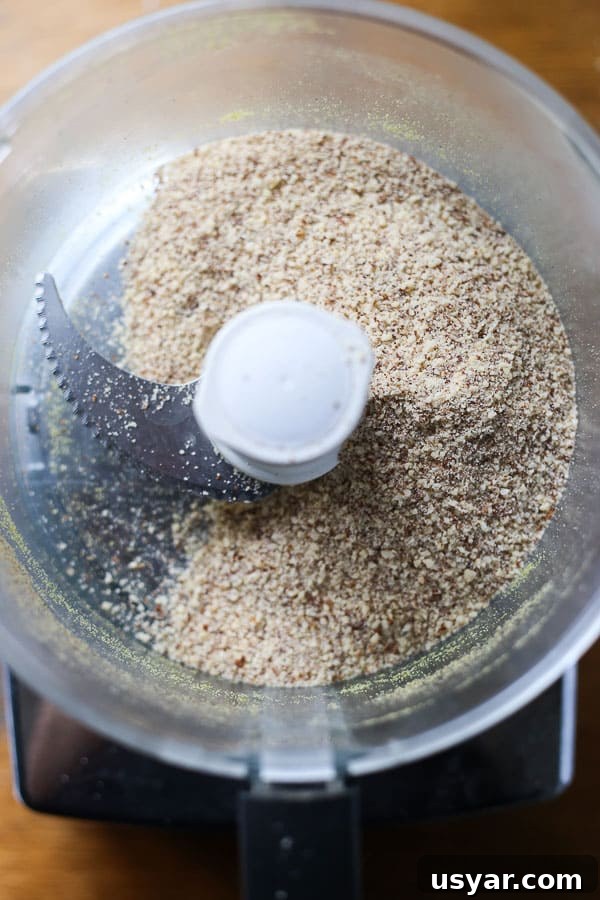
Because nut flours can go rancid faster than grain flours, make small amounts as needed. You can make nut flour (from blanched nuts) or nut meal (from raw nuts with skins) with a food processor, high-speed blender or electric mill. Whole nuts weigh about the same as the resulting ground flour, so measure before grinding.
How To Make Homemade Nut Flour
- Weigh the nuts for the amount of flour you need.
- Place nuts in a food processor, blender or mill.
- Pulse in short bursts, scraping down the sides, until the nuts resemble fine crumbs. Avoid over-processing or they will turn into nut butter.
Expert Tips
- Different nuts require different grinding times—pulse and check frequently.
- Stop if the nuts begin to clump; that indicates oil release and the potential to form butter.
- Use fresh nuts; older nuts break down more quickly and may taste off.
- Work in small batches (around 150g) for better control.
- For an extra fine texture, add a couple of tablespoons of the recipe’s sugar to absorb oils while grinding.
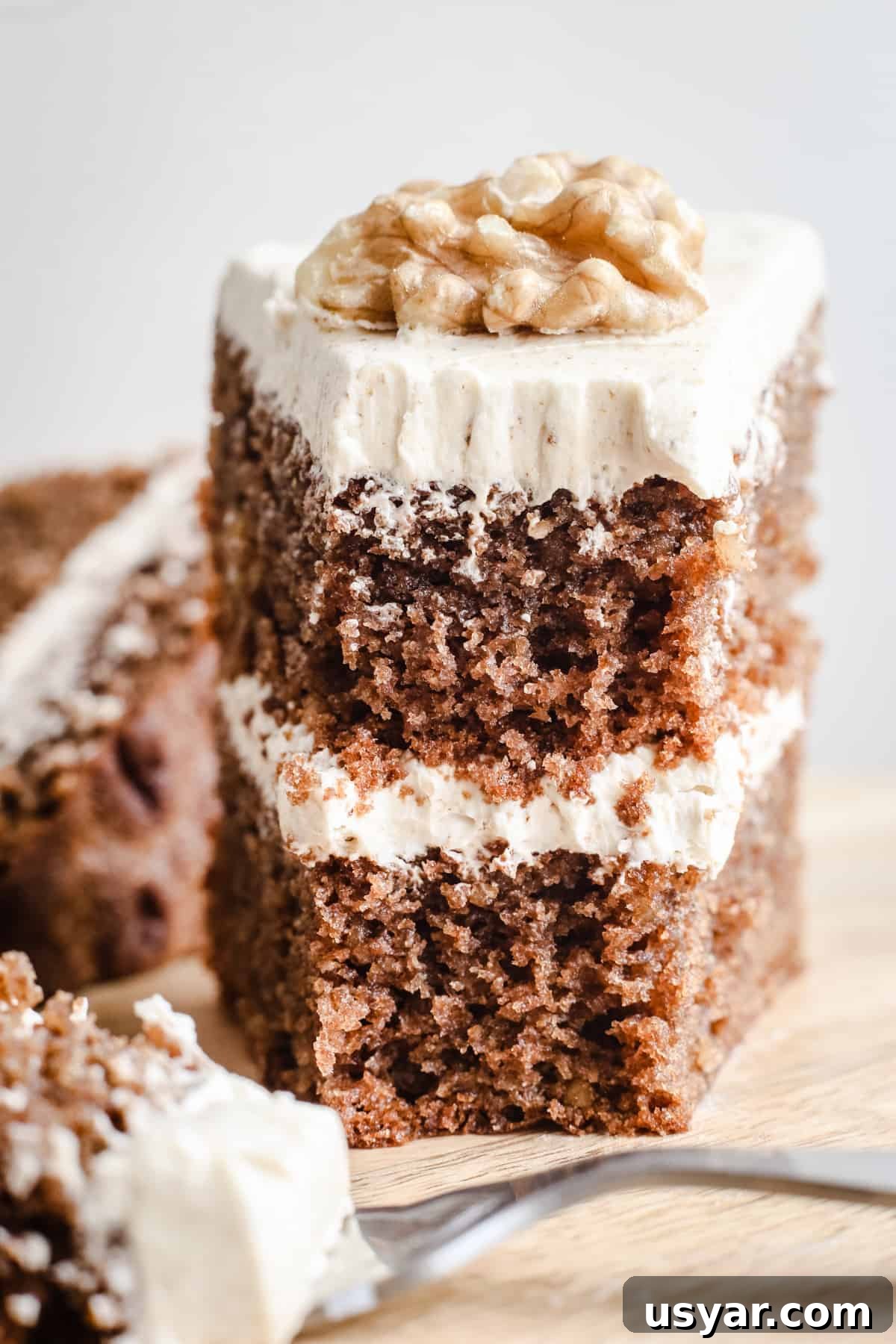
How To Store Nut Flours
Store nut flour in an airtight container in the refrigerator for 3–6 months, or freeze for up to a year to keep it fresh and prevent rancidity.
Almond Flour
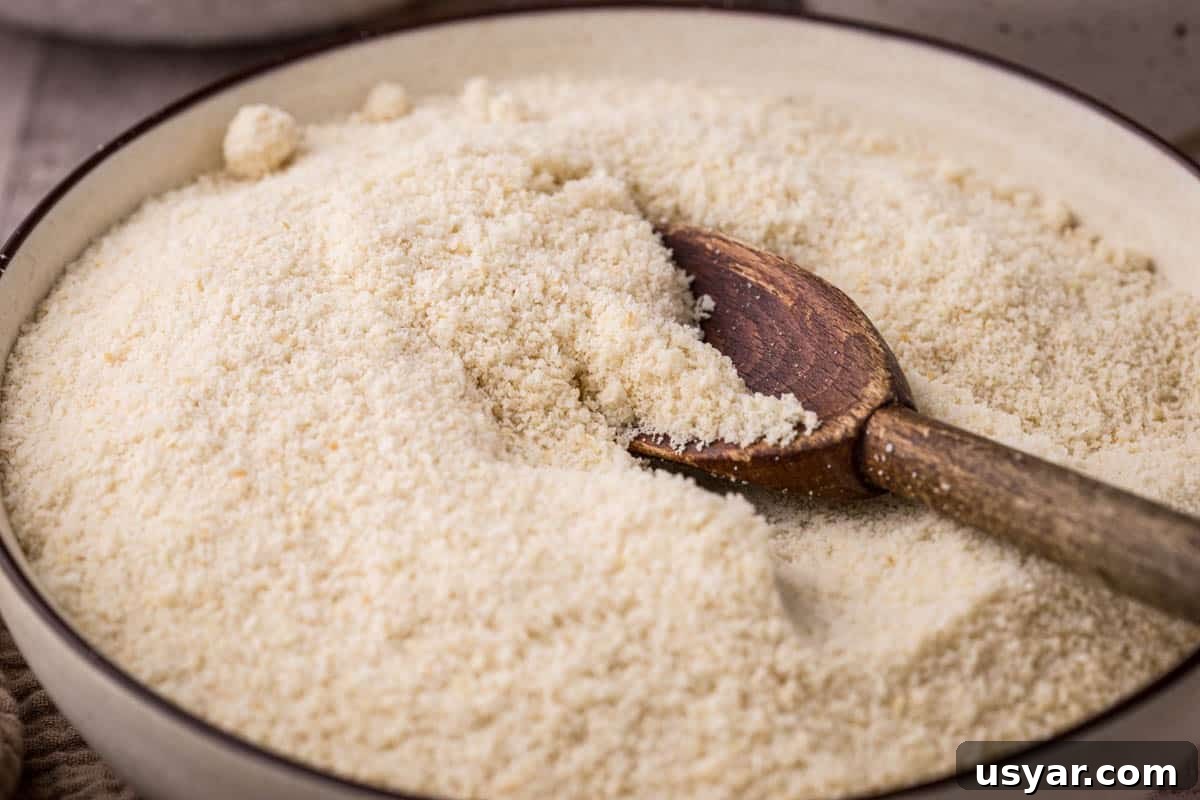
Almond flour (often sold as ground almonds) is common in macarons, friands, frangipane and many cakes. It pairs well with stone fruits, berries, citrus, vanilla, spices and dairy flavors like ricotta.
Pecan Flour
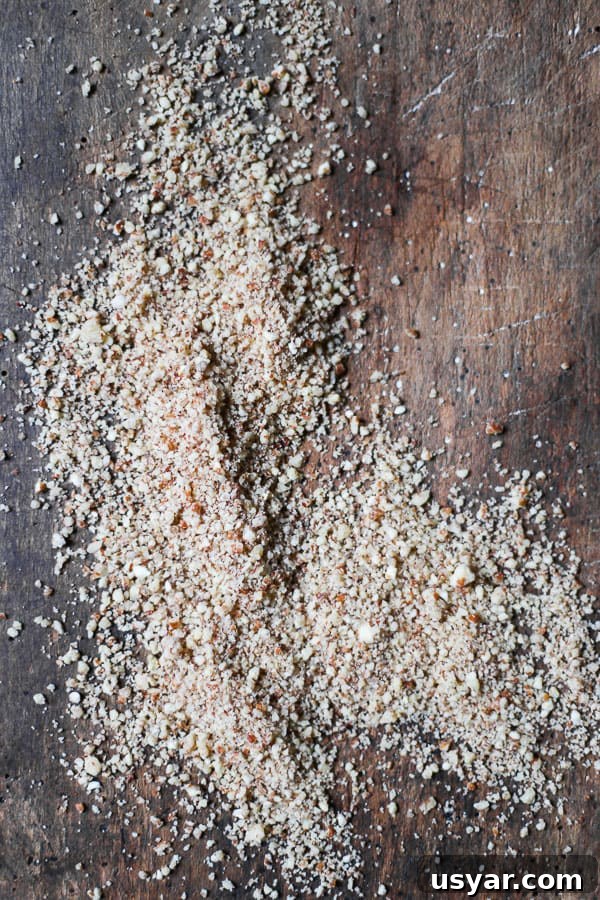
Pecans are oil-rich and lower in protein, so they yield softer structure unless defatted versions are used. They suit autumnal flavors like apples, caramel, coffee, maple and warm spices.
Walnut Flour
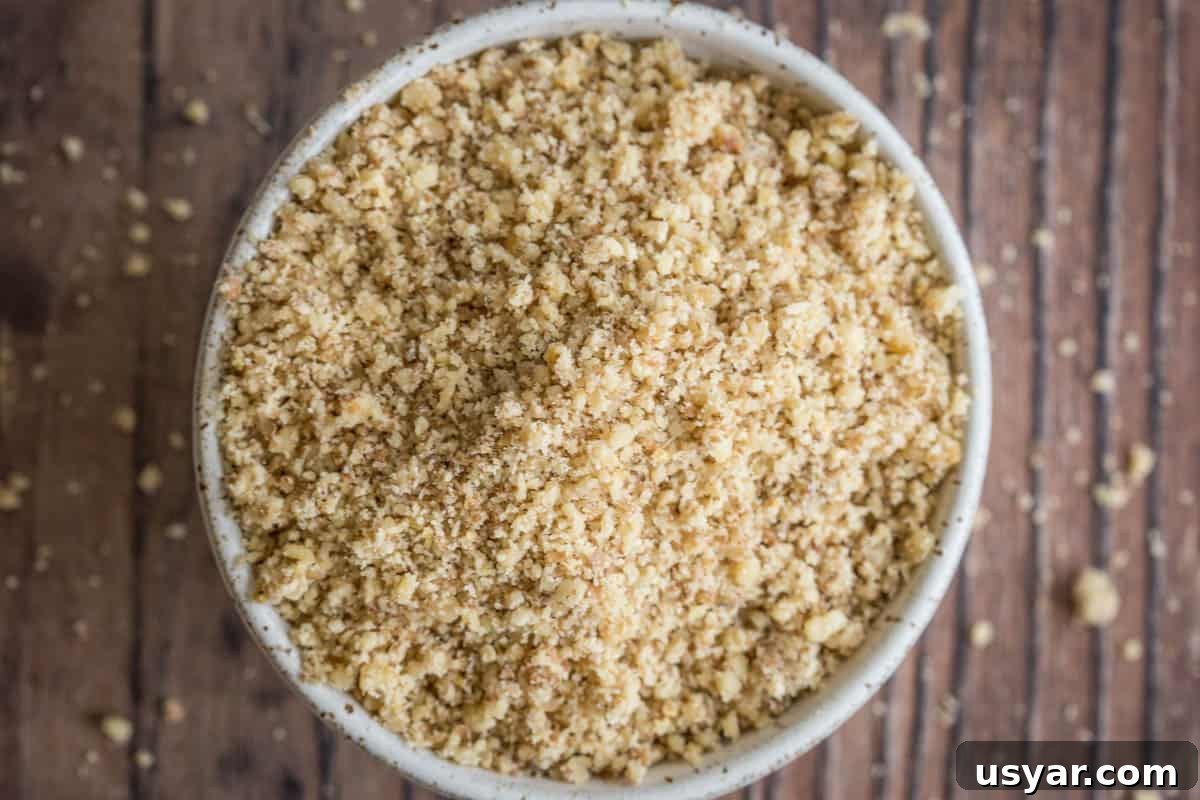
Walnut flour can be slightly bitter, so use sparingly. It works well in brownies, financiers and bakes paired with coffee, chocolate or fruit.
Hazelnut Flour
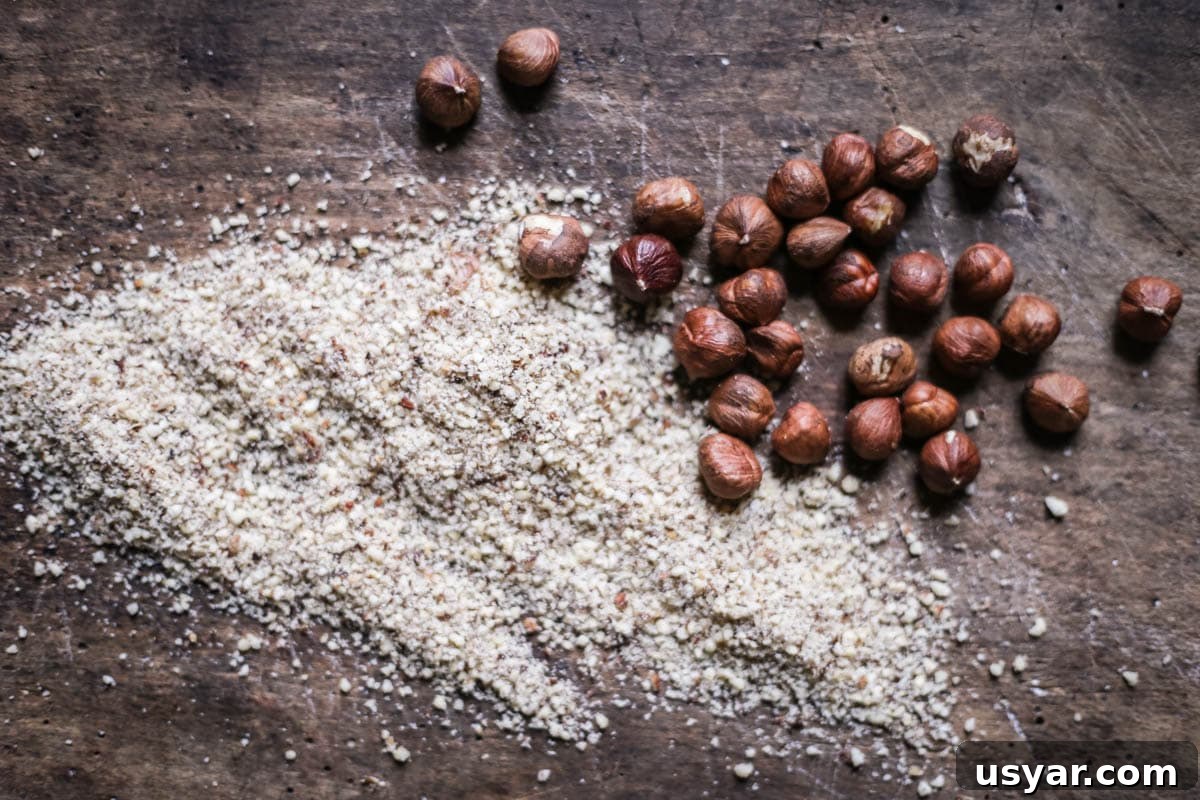
Hazelnut flour has a distinctive buttery flavor and is beloved in confections and Italian nut cakes. It pairs especially well with chocolate, coffee, citrus and stone fruits.
Chestnut Flour
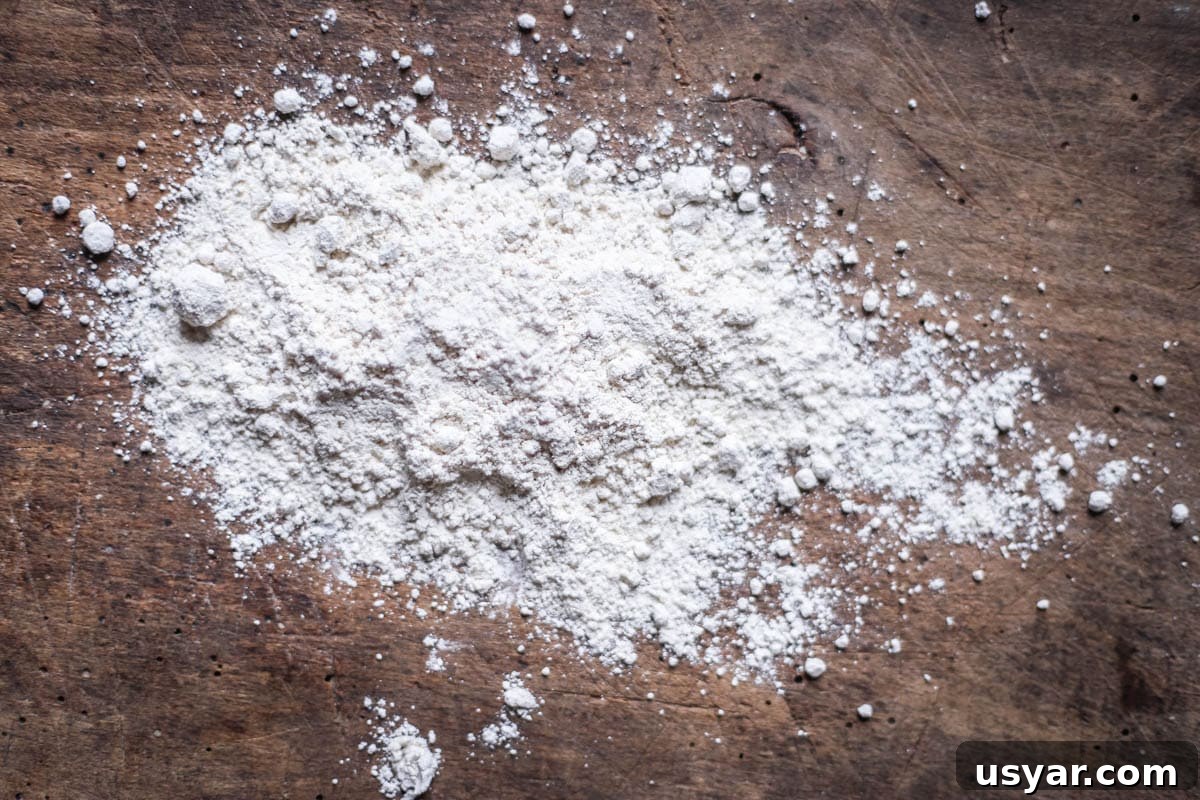
Chestnut flour is gently sweet and suits winter bakes and festive flavors. Because of its lower protein it benefits from blending with higher-protein or starchy flours to improve structure.
Pistachio Flour
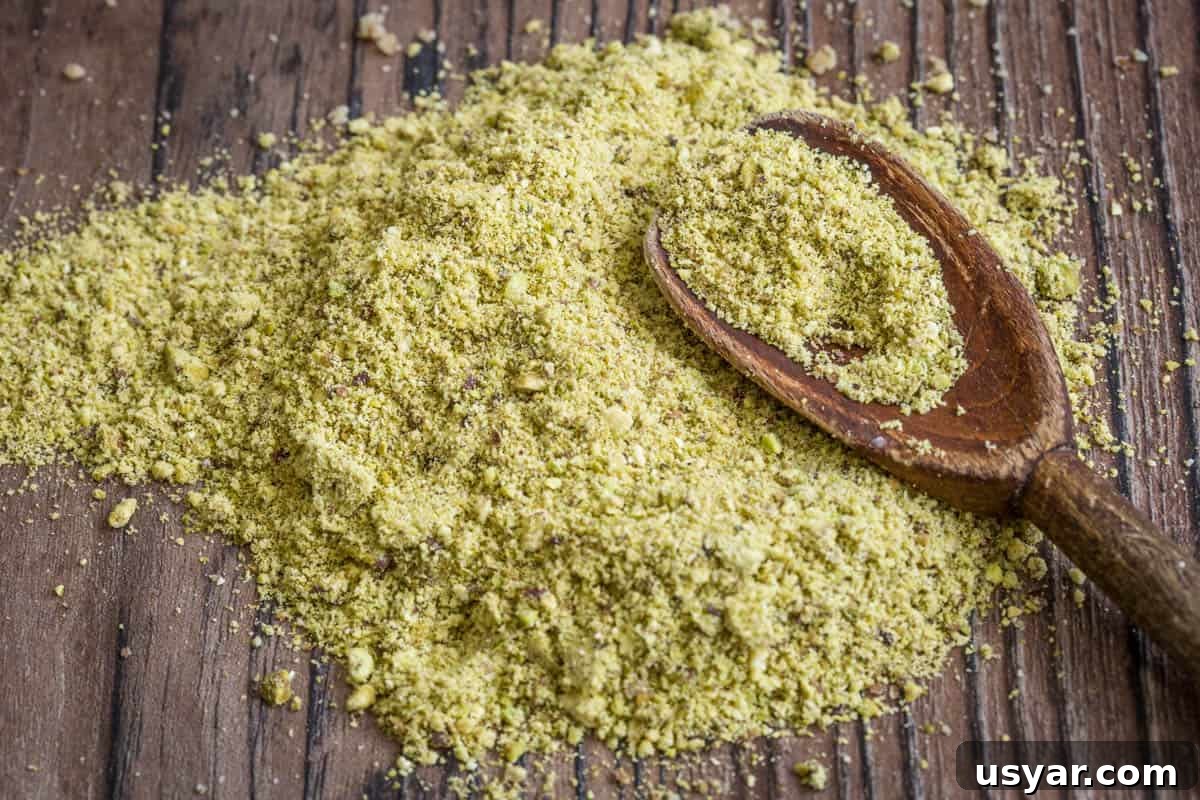
Pistachio flour is vivid in color and flavor, excellent in Middle Eastern-inspired desserts and pairs well with rose, cardamom, citrus and white chocolate.
Cashew Flour
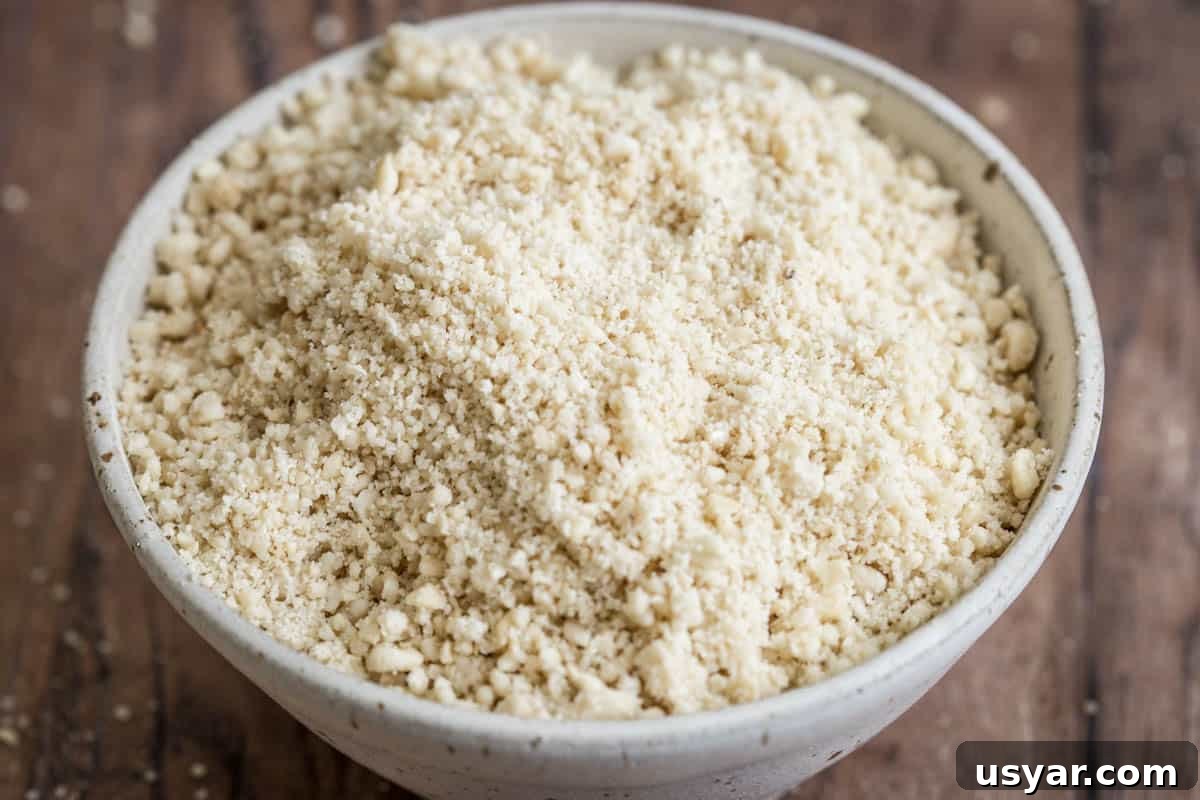
Cashew flour is mild and slightly sweet with a soft, delicate crumb. It complements vanilla, citrus, chocolate and many spices.
Peanut Flour
Peanut flour has a pronounced peanut flavor and the highest protein content among common nut flours, giving very stable bakes. Use it when you want a clear peanut taste and always label bakes clearly due to allergy risk.
Other Uses For Nut Flours
- Add to pancakes for extra protein and texture.
- Use instead of breadcrumbs in meatballs or meatloaf.
- Stir into curries as a thickener and flavor boost.
- Use finely milled almond flour as a coating for schnitzel or fried proteins.
- Make a gluten-free cheesecake base by combining ground nuts with butter and a little sugar.
- Mix into crumble or streusel toppings for added crunch and richness.