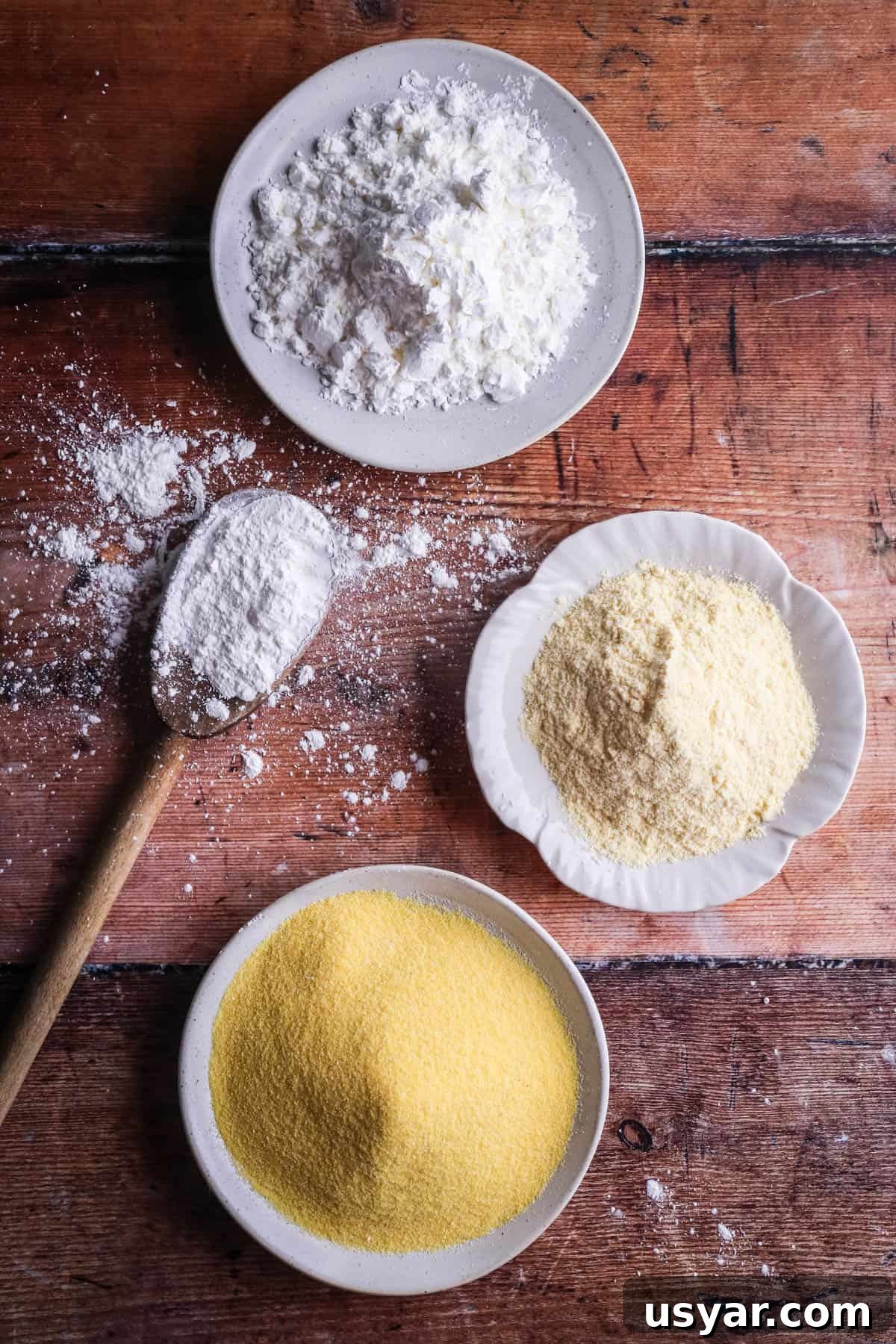
If you’ve ever been puzzled about whether cornstarch and cornflour are the same, or where cornmeal and polenta fit in, this guide will clear things up. Below I explain what each corn-based ingredient is, how to use them, and when you can substitute one for another in everyday cooking and baking.
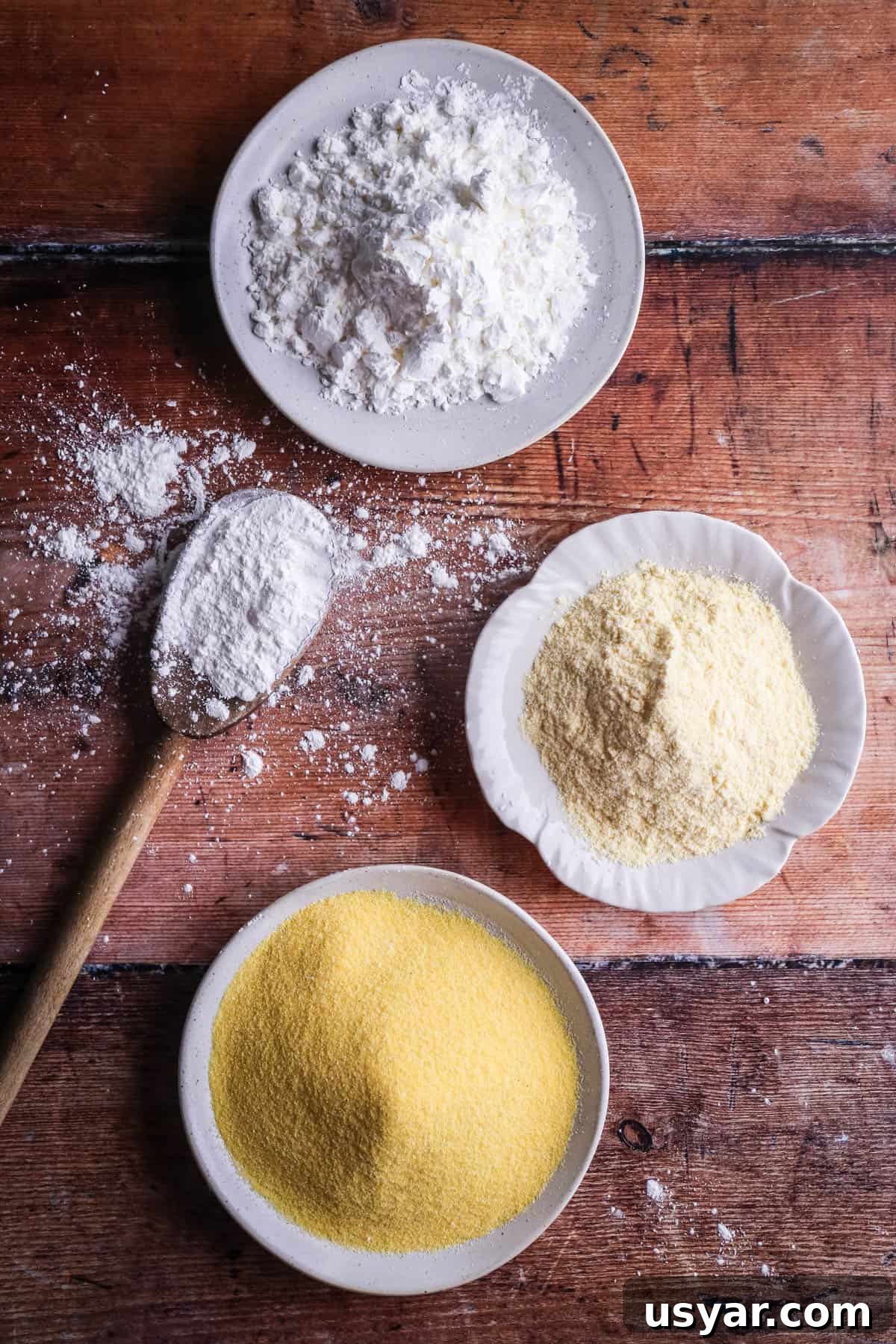
The different ways corn is processed produce a range of ingredients used globally in many recipes. Terminology varies by country—what’s called cornflour in the UK and Australia is usually called cornstarch in the US—so packaging and recipe notes can be confusing.
First we’ll settle the cornstarch vs cornflour question, then look at cornmeal and polenta, how grind size affects texture, and the best uses and simple swaps for each ingredient. Note that brands sometimes use names loosely, so when in doubt check the packet and the recipe before substituting.
Corn
Corn, also known as maize, is a cereal grain widely cultivated around the world. Field corn (used for flour and meal) is different from the sweetcorn we eat on the cob; it is dried and ground using various methods to produce ingredients such as cornflour and cornmeal.
Cornstarch vs Cornflour
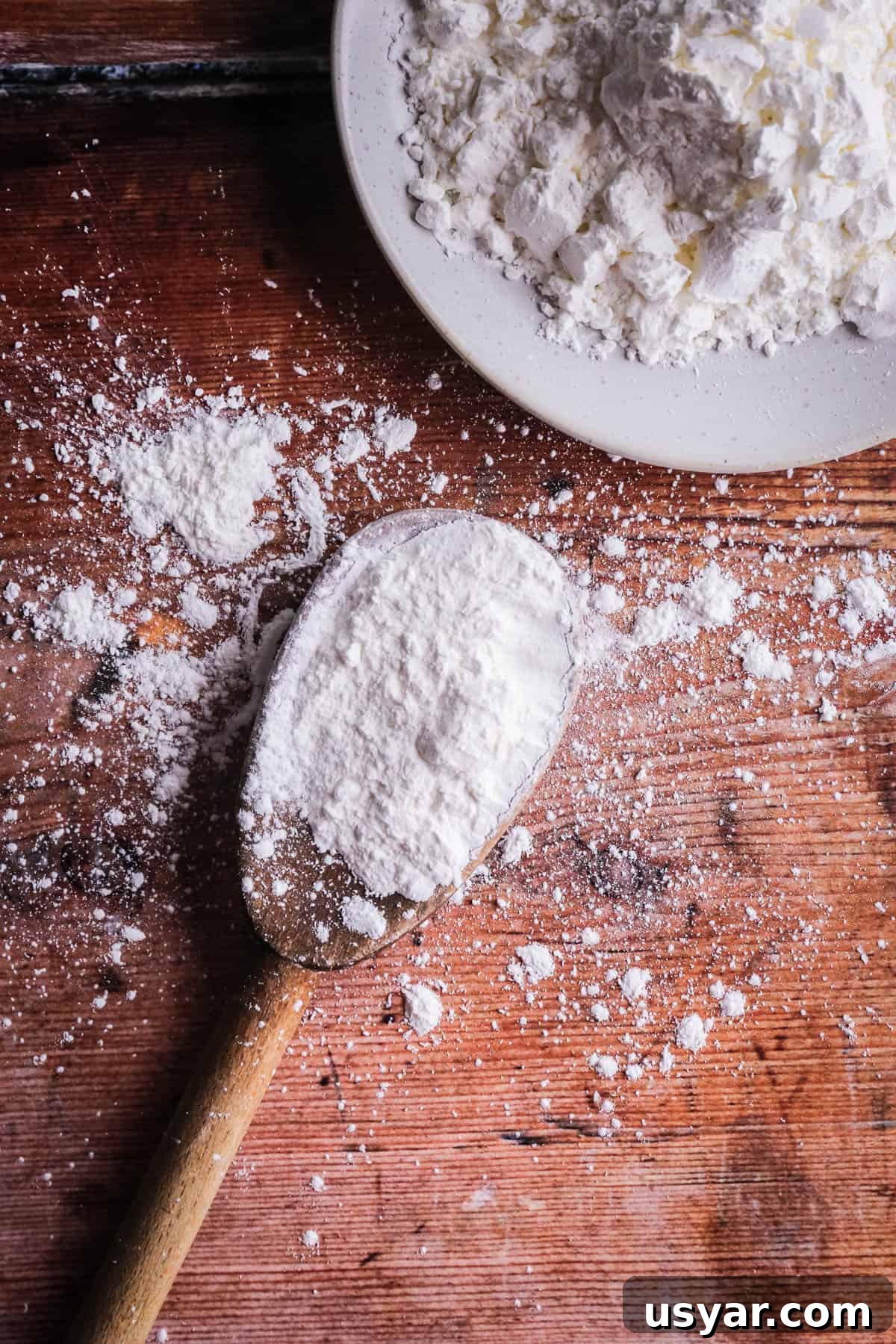
Cornflour and cornstarch are the same product: a fine, white starch extracted from the center of the corn kernel. In the UK and Australia it’s commonly called cornflour; in the US it’s called cornstarch. You can use cornflour in the same quantities a US recipe specifies for cornstarch.
Be aware that in American usage “corn flour” (with a space) is sometimes used to mean a finely ground cornmeal rather than cornstarch. If a recipe comes from another country or an imported package, double-check the label to avoid confusion.
What is Cornflour?
Cornflour is a white powdery starch derived from the middle of the corn kernel. It’s widely used to thicken and stabilise sauces, gravies and custards, and is also included in some baking blends to soften texture or in gluten-free mixes.
Is Cornflour Gluten-Free?
Cornflour, cornstarch and cornmeal are all made from maize and are naturally gluten-free. However, cross-contamination can occur during processing, so look for products labelled certified gluten-free if you need to avoid gluten.
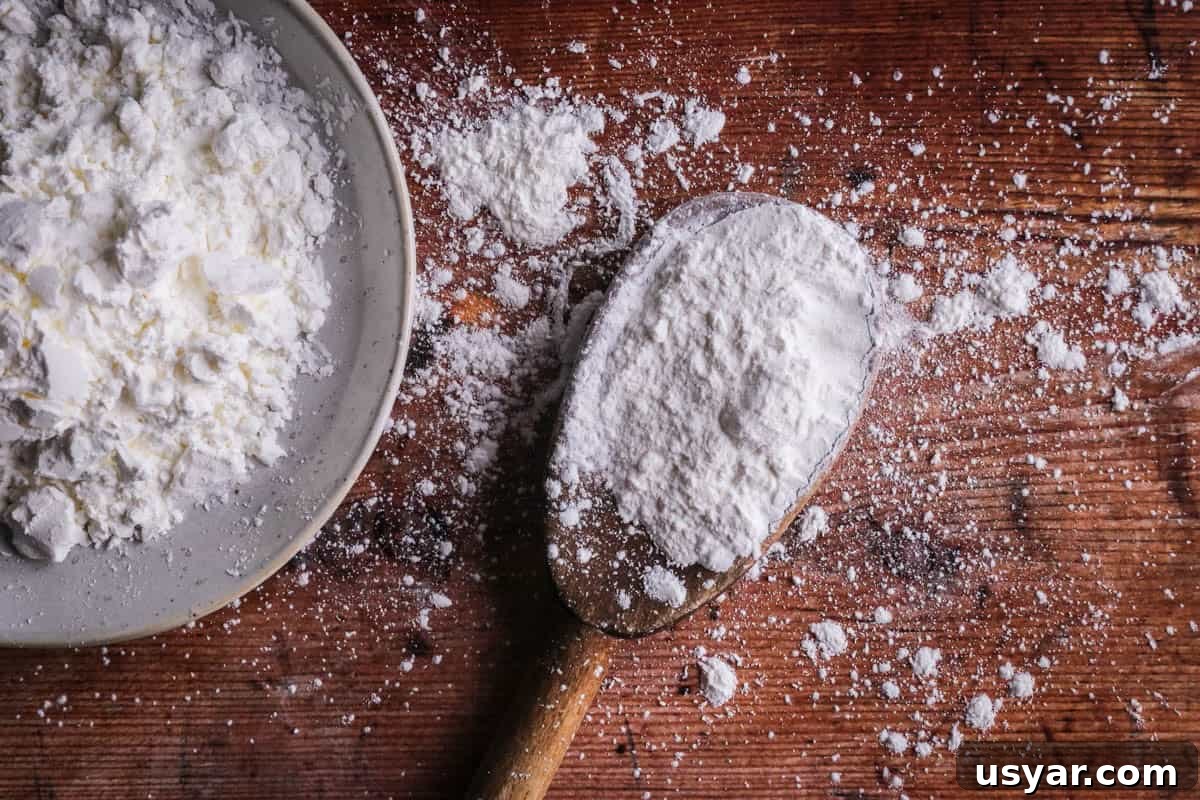
How To Use Cornflour in Cooking and Baking
Thickening Sauces, Gravies and Custards
Cornflour makes a smooth, glossy thickener when mixed into a slurry of cold water, milk or stock and whisked into hot liquid near the end of cooking. It’s handy for light gravies, soups and Instant Pot recipes that finish with plenty of liquid. It also stabilises custards, helping to prevent the eggs from curdling and producing a silky texture.
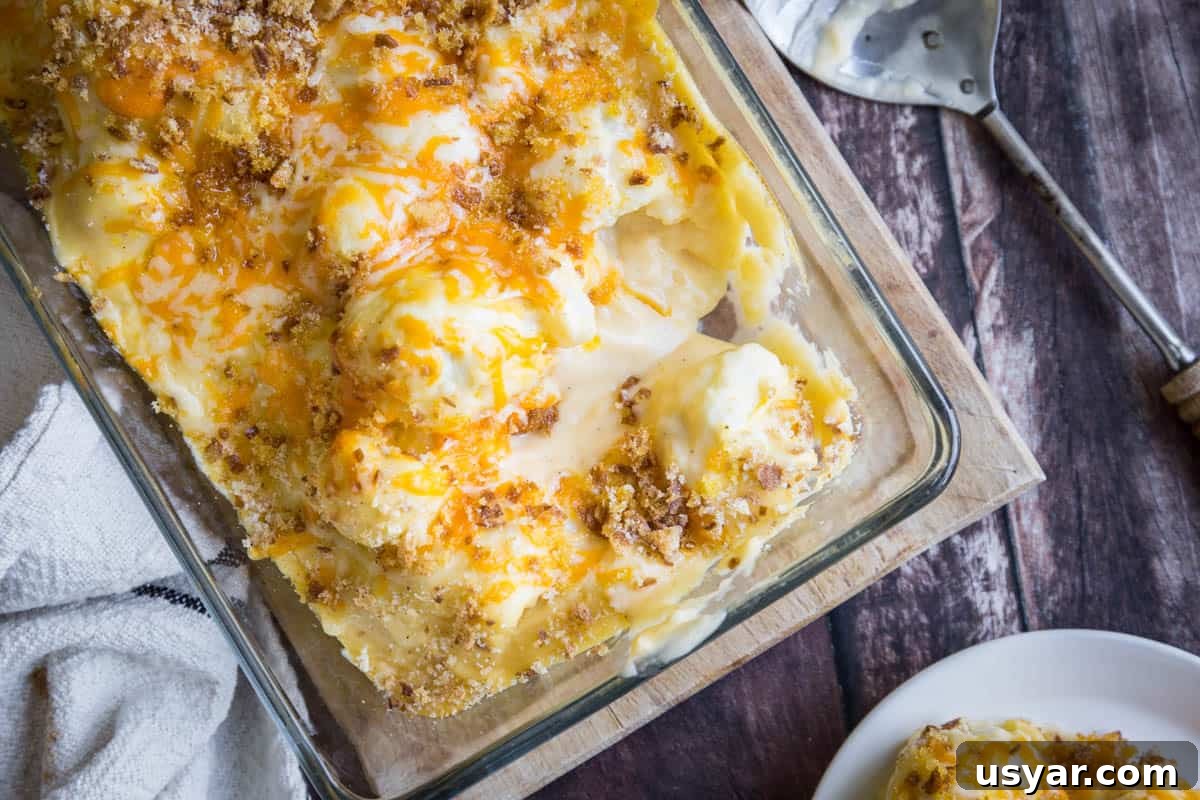
For example, whisking cornflour into cold milk creates a quick gluten-free white sauce; once warmed and thickened you can add cheese to make a simple cheese sauce without making a traditional roux.
What Is a Cornflour Slurry?
A slurry is simply cornflour blended into cold or room-temperature liquid. This paste is then added to hot sauces or stews to thicken them. Because cornflour thickens quickly, it’s best added toward the end of cooking and heated just until the sauce bubbles and sets.
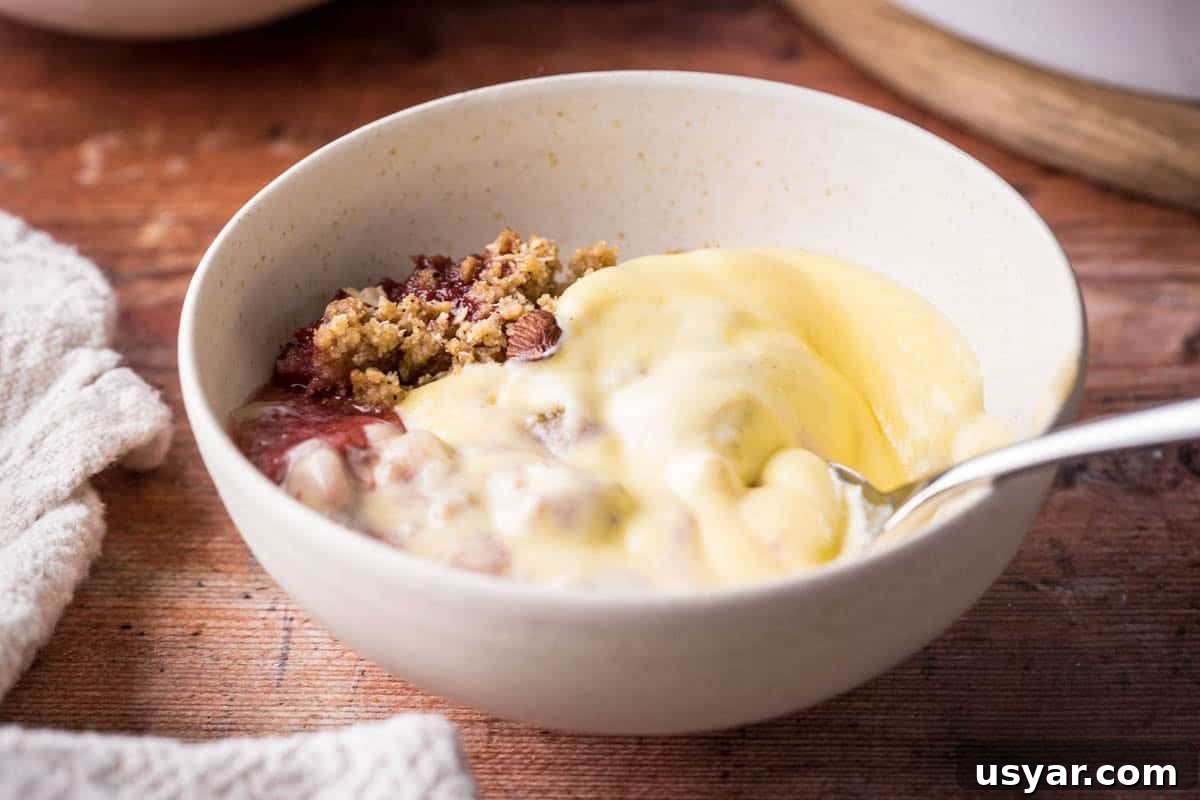
Using Cornflour as a Coating
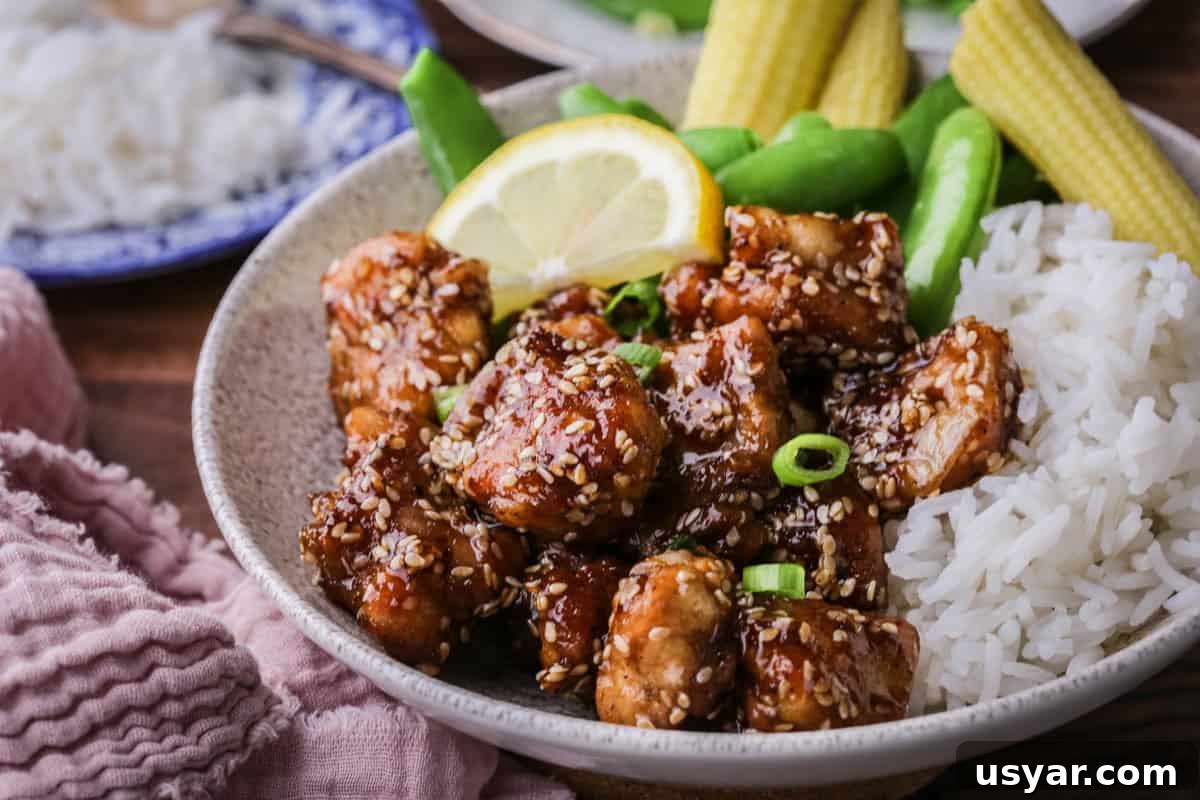
Dry cornflour makes a light, crisp coating for fried meats and vegetables and is commonly used in stir-fries. Because it crisps quickly and is lighter than breadcrumbs, it’s useful when you want a delicate crunchy finish.
Using Cornflour in Cakes and Biscuits
Small amounts of cornflour are often blended with all-purpose flour to create a lighter, more tender crumb—this mimics commercial cake flour. Cornflour is also a common ingredient in gluten-free flour blends because its starch helps bind and lighten baked goods. Use it sparingly: too much cornflour makes baked items gummy.
Cornflour is traditionally used in shortbread to produce a soft, crumbly texture when mixed with wheat flour.
Common Mistakes When Using Cornflour
- Mixing it directly into hot liquid can cause clumps—always make a slurry first.
- Overheating a cornflour-thickened sauce can break down the starch and thin the sauce again.
- Using too much can give a gluey, gummy result in both sauces and baked goods.
- In baking, whisk or sift cornflour thoroughly with other flours to ensure an even texture.
Cornflour Alternative
Cornflour is a starchy thickener and can be swapped with other starches depending on the purpose:
- Thickening sauces: try tapioca flour (tapioca starch) or arrowroot. Use slightly less, as they can produce a different mouthfeel.
- Coating for frying: rice flour, tapioca starch or potato starch make good alternatives with crisp results.
- Baking: tapioca flour, cassava flour or potato starch can replace cornflour in small quantities to achieve a soft texture.
Cornmeal and Polenta
What is Cornmeal?
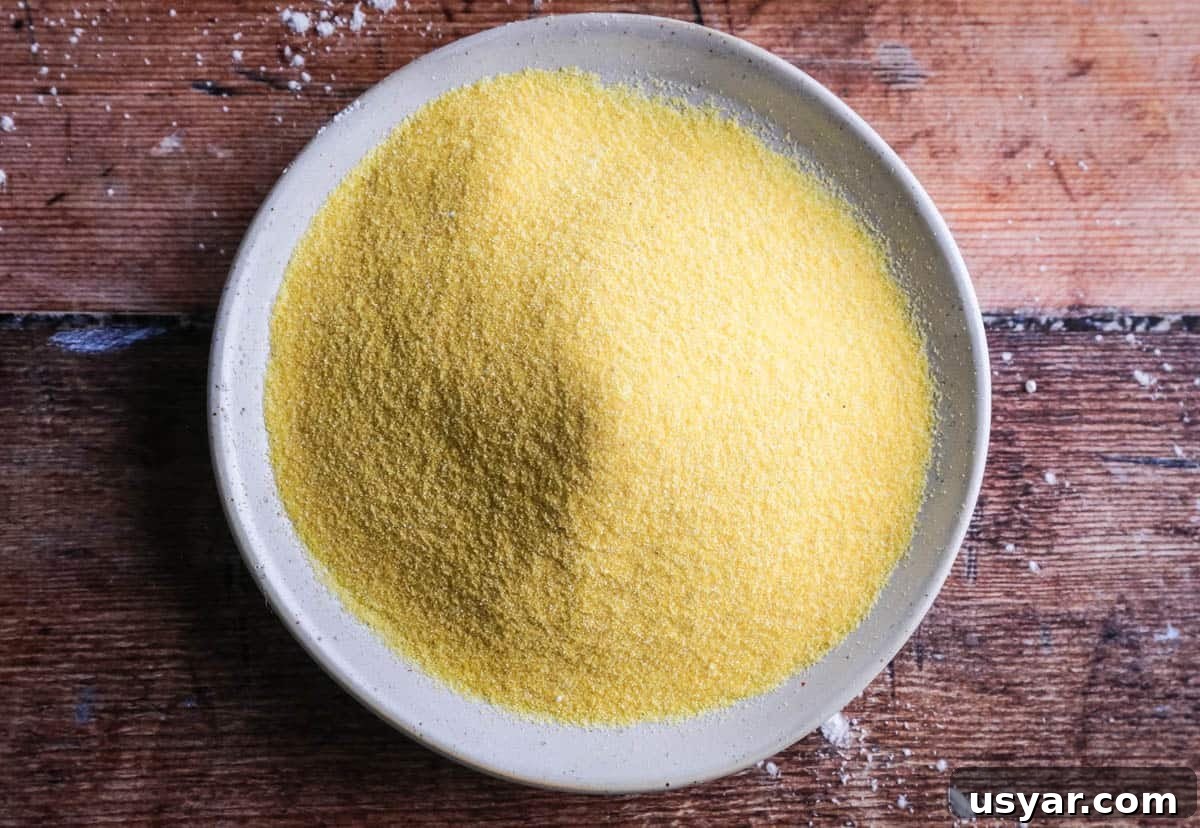
Cornmeal is made from dried field corn (not sweetcorn). The most common variety is dent corn, named for the small indentation formed on the kernel as it dries. Cornmeal is milled to different textures—coarse, medium or fine—and is available in several colours, typically yellow, white or blue.
What is Polenta?
Polenta is originally an Italian recipe rather than a distinct ingredient name. When you see a package labelled “polenta,” it generally contains the right grind of cornmeal for making that Italian dish. Some products marked polenta are regular cornmeal, while others are pre-cooked or instant—check the packet.
Is Polenta Different from Cornmeal?
Polenta is essentially a type of cornmeal marketed for making the traditional dish. It isn’t a different grain, but the label indicates the product is suitable for preparing polenta.
Cornmeal Grind Size: Fine vs Coarse
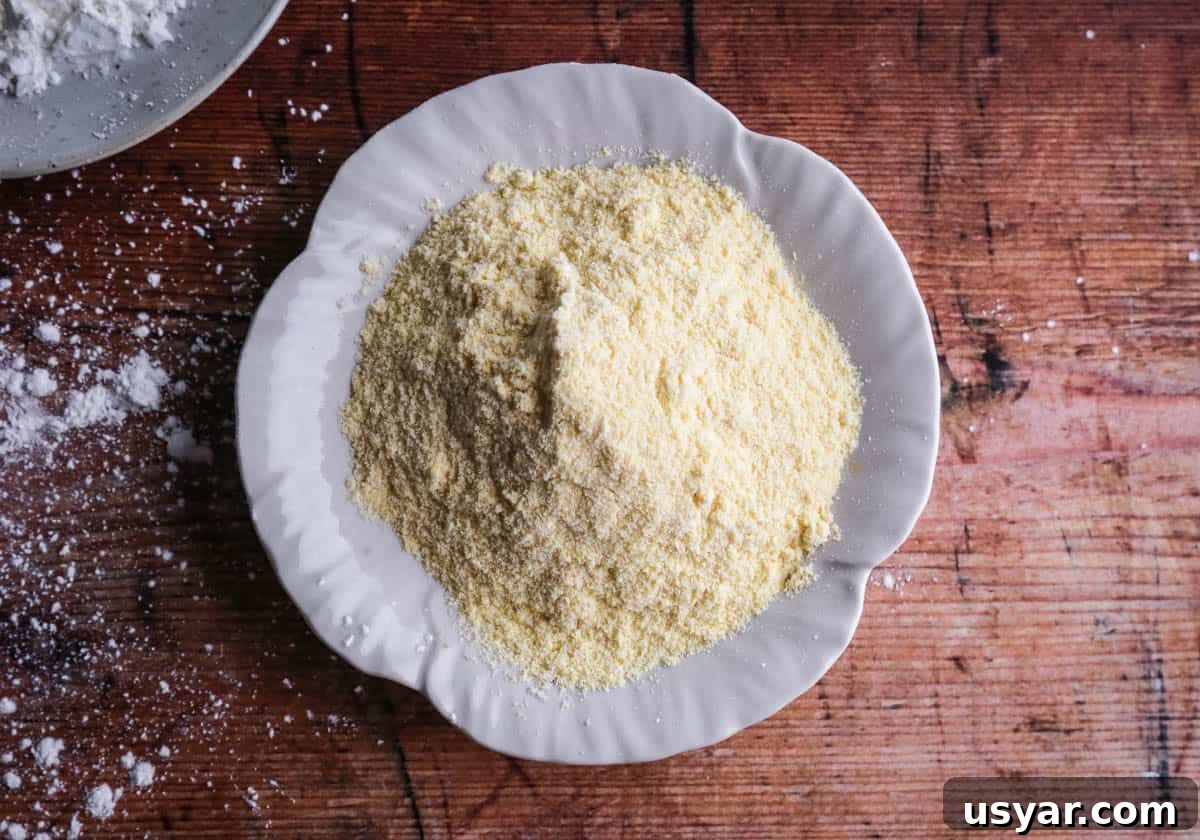
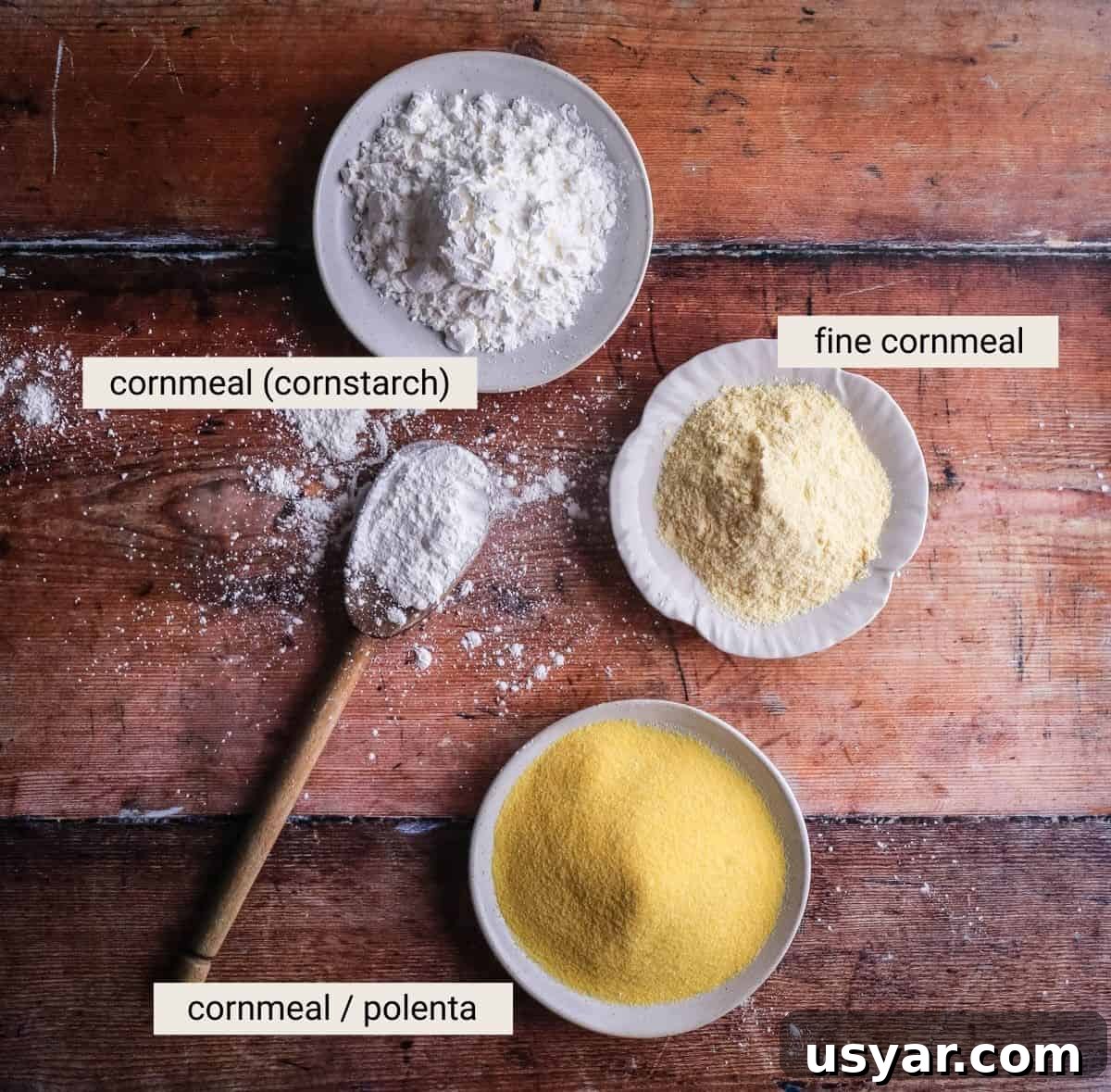
Grind size affects texture: coarse cornmeal gives a rustic, gritty bite ideal for traditional polenta or cornbread, while fine cornmeal yields a softer mouthfeel better suited to cakes and delicate bakes. Brand grinds vary, so check packaging or any transparent window to see the texture before buying.
Choosing the Right Polenta for Your Recipe
Regular polenta is often milled from flint corn and can take up to 30 minutes to cook, producing a firmer, coarser result. Instant or pre-cooked polenta has been precooked, dried and ground finer, so it cooks in just a few minutes and yields a softer texture. Check cooking times on the packet to know which you have.
Which Polenta Should You Use for Baking?
Either regular or instant polenta can be used in baking, but they give different textures. Regular (coarse) polenta produces a more granular crumb; instant polenta produces a softer, finer crumb. Recipes will usually work with either, but check the author’s recommendation if you want the exact intended texture.
How To Use Cornmeal and Polenta in Cooking and Baking
- Cornbread: coarse cornmeal is traditional and gives characteristic texture; use fine cornmeal if you prefer a softer bread.
- Baking: polenta cakes and gluten-free bakes often pair polenta with almond flour for a moist, tender crumb. Instant polenta is commonly used in many supermarket recipes and works well in cakes and puddings.
- Dusting: coarse cornmeal or polenta works well for dusting pizza peels or English muffin tins to prevent sticking and add a delicate crunch.
- Cooking polenta: cook regular polenta slowly for 30–40 minutes until creamy; instant polenta takes 3–5 minutes. Chilled cooked polenta can be sliced and fried or baked for polenta chips or squares.
Cornflour vs Cornmeal vs Polenta
To summarise the main differences:
| Product | Cornflour (cornstarch) | Cornmeal | Polenta |
| What is it? | Starch extracted from the centre of the corn kernel | Dried field corn ground to various textures | A cornmeal marketed for making polenta; essentially cornmeal |
| Texture and grind | Very fine, powdery, starchy | Varies: coarse, medium or fine | Traditionally coarse; instant polenta is finer |
| Colour | White | Mostly yellow, but white or blue exist | Typically yellow |
| Gluten-free? | Yes (check for cross-contamination) | Yes (check for cross-contamination) | Yes (check for cross-contamination) |
| Best uses | Thickening sauces; part of baking blends | Cornbread, coatings, making polenta | Making polenta or any recipe calling for cornmeal |
| Can it be subbed? | Yes — tapioca starch or arrowroot for thickening | Not easily if you want the same granular texture in a recipe | Use cornmeal if you need polenta; not interchangeable with other flours for the same effect |
FAQs
Can you substitute cornflour, cornmeal and polenta for each other?
Cornflour (cornstarch) is not interchangeable with cornmeal or polenta. Cornmeal and polenta are essentially the same and can usually be substituted for one another.
Can you use plain flour instead of cornflour?
Wheat flour and cornflour behave differently, especially as thickeners, so they are not direct substitutes in most recipes.
Can I use cornflour instead of flour for thickening?
Yes—cornflour is an effective thickener, but it is used differently. Cornflour is mixed into cold liquid to make a slurry and added near the end of cooking; plain flour is often cooked into a roux or added earlier.
Can I reheat sauces thickened with cornflour?
You can, but reheat slowly and gently because excessive heat may break down the starch.
Can I freeze sauces thickened with cornflour?
Cornflour-thickened sauces often separate when frozen and reheated, so freezing is not ideal.
Can I use cornmeal instead of polenta?
Yes. Coarse cornmeal gives a more granular texture like traditional polenta; fine cornmeal yields a softer result.
Can I use polenta to make cornbread?
Yes. Instant polenta tends to make a softer cornbread than coarse cornmeal, so check the packet and the recipe if texture matters.
Is polenta cornflour?
No. Polenta is cornmeal; cornflour is the starch extracted from corn and is a different product.
Other Corn-Based Products You Might See
Maize Flour
Maize flour is ground from whole dried corn and can be similar to finely ground cornmeal. Labels vary, so check the texture on the packaging to determine whether it suits your recipe.
Hominy, Masa Harina and Grits
Hominy is corn treated by nixtamalization, which alters flavour and texture; it can be sold whole or dried. Dried hominy ground into a fine powder becomes masa harina, used for tortillas and tamales. Masa harina is not the same as cornflour (cornstarch) and should not be substituted for it. Grits are a porridge made from boiled cornmeal—often from hominy—and are a staple in Southern American cuisine.
Understanding the differences and intended uses of these corn products will help you choose the right ingredient for any recipe and make confident substitutions when appropriate.