
Vegan Béchamel (White Sauce) — Step-by-Step Guide
This vegan white sauce, often called béchamel in French, is my go-to base for casseroles, gratins and quick pasta dishes. The recipe uses just a few ingredients, but the technique matters: small, careful steps will give you a smooth, creamy sauce, while skipping steps can lead to lumps or a grainy texture. Below you’ll find a clear, practical guide with helpful tips, substitutions and uses so you can succeed the first time.
Why this is worth mastering
A reliable vegan béchamel is incredibly versatile. From creamy pasta sauces and lasagne layers to vegetable gratins and base sauces for soups or vegan mac and cheese, a well-made white sauce elevates many dishes. Because the process is so short—melt, mix, and add milk gradually—being deliberate makes all the difference. The method below ensures a lump-free, silky result using plant-based ingredients.
Ingredients
- 6 tablespoons vegan butter (or any neutral oil)
- 4 tablespoons all-purpose flour
- 500 ml almond milk (or other unsweetened plant milk)
- Salt and freshly ground black pepper, to taste
- Optional: a pinch of nutmeg, garlic powder or mustard for extra flavor
Instructions
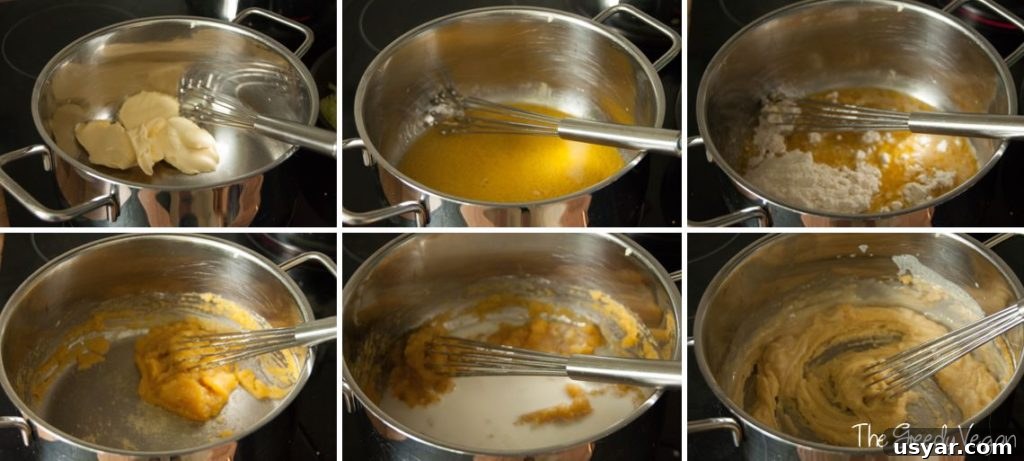
- Place the vegan butter in a heavy-bottomed saucepan over medium heat and melt it completely. A heavy pan gives even heat and helps prevent scorching.
- Add the flour and stir immediately to combine. Keep stirring and cook the flour–butter mixture for a few minutes. The mixture will dry out slightly and resemble a soft dough—this step cooks the raw flour taste away.
- Be careful not to let the roux (flour and fat) darken; you want it cooked but not browned. If it starts to brown, reduce the heat.
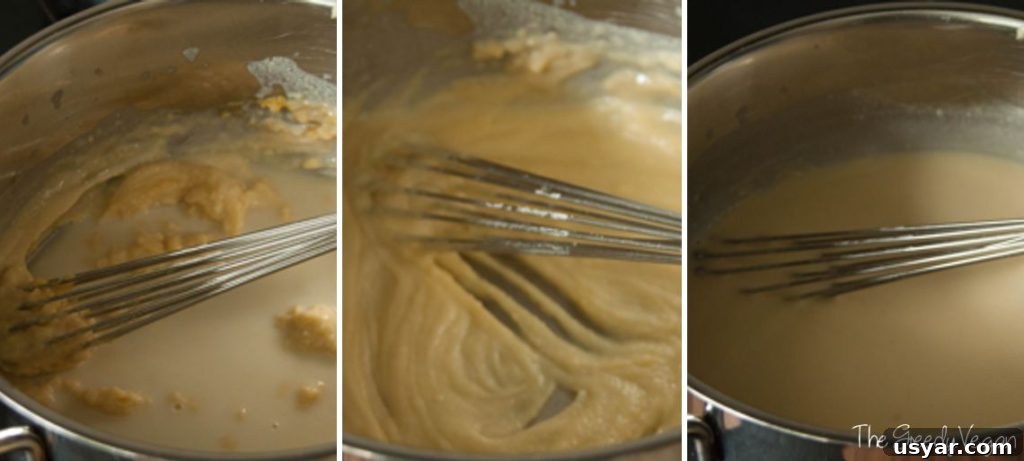
- Add the almond milk a few tablespoons at a time, stirring vigorously after each addition. This gradual incorporation and steady stirring helps the liquid blend smoothly with the roux and prevents lumps.
- Continue adding the milk in small amounts, stirring until the sauce reaches an even, creamy consistency. Once all the milk is incorporated, simmer gently for a minute or two to thicken and finish cooking, stirring frequently.
- Taste and season with salt, black pepper and optional nutmeg or other seasonings. If you prefer a thinner sauce, add a little more milk; for a thicker sauce, use slightly less next time.
Troubleshooting and tips
- If lumps form: remove the pan from the heat and whisk vigorously; you can also pass the sauce through a fine mesh sieve or blend briefly with an immersion blender.
- Too thin: simmer gently to reduce and thicken, or make a small slurry of flour and cold milk and whisk it into the sauce, cooking for a minute to remove raw flour taste.
- Too thick: whisk in warm almond milk a tablespoon at a time until you reach the desired consistency.
- For a richer flavor, use a full-fat plant milk or a mix of plant milk and a splash of plant-based cream.
- Always use unsweetened plant milk to avoid adding unintended sweetness to savory dishes.
Variations and substitutions
Swap vegan butter for olive oil, sunflower oil or another neutral oil. If you need a nut-free version, use oat milk, soy milk, or rice milk instead of almond milk. Add nutritional yeast for a cheesy note, or a little Dijon mustard to brighten the flavor. For a garlic béchamel, lightly sauté minced garlic in the fat before adding the flour.
Uses
Use this vegan béchamel as a base for lasagne, pasta bakes, vegetable gratins, creamy soups, or as a white sauce to drizzle over steamed vegetables. It also forms the foundation for vegan cheese sauces when combined with nutritional yeast and seasonings.
Storage
Cool the sauce to room temperature, then refrigerate in an airtight container for up to 3–4 days. Reheat gently over low heat, whisking or stirring constantly. If the sauce separates or thickens in the fridge, whisk in a little warm plant milk while reheating to restore a smooth texture.