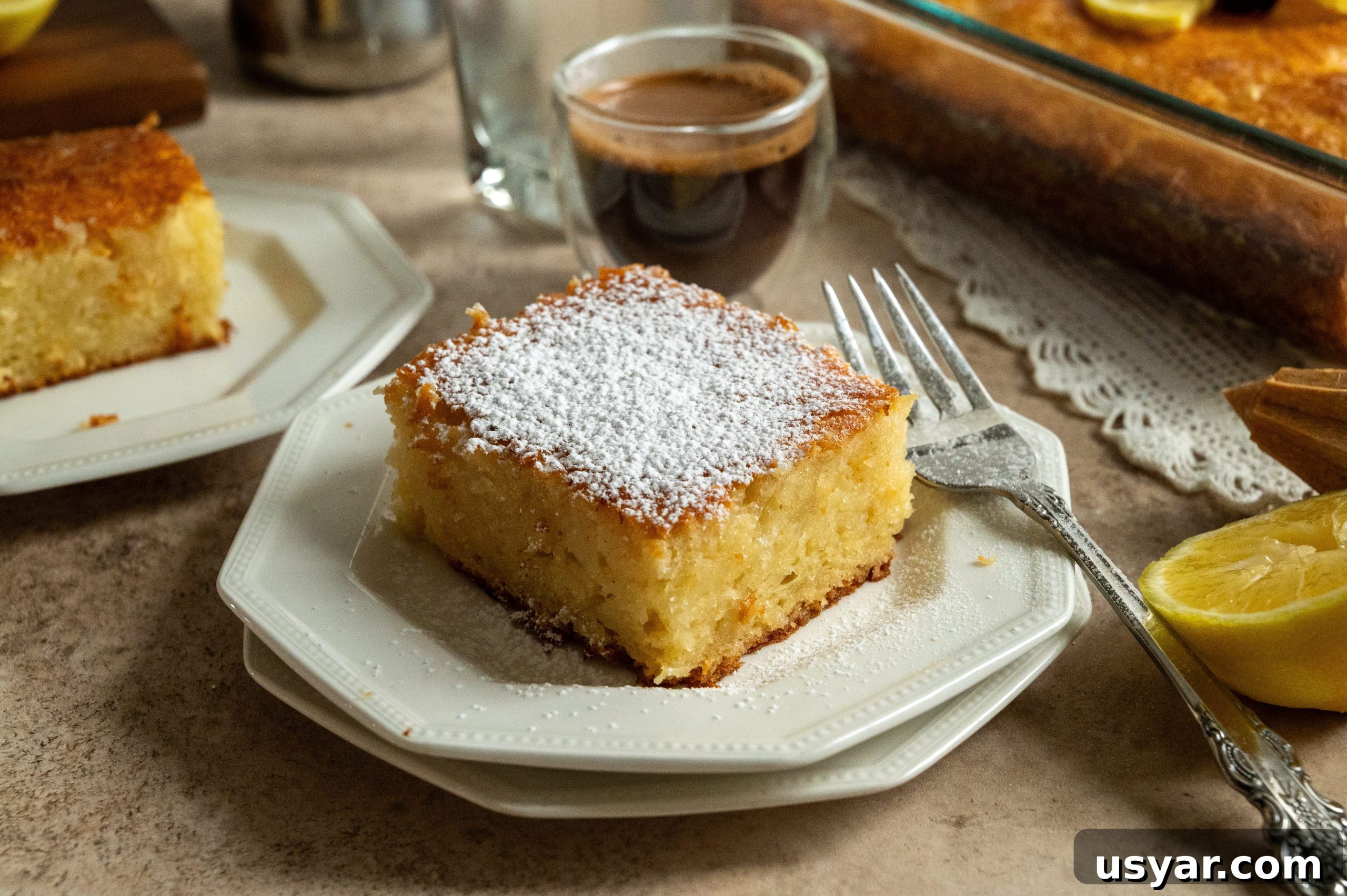
Lemonopita is a classic Greek syrup cake made with phyllo pastry and bright lemon flavor. Instead of flour, this siropiasto (syrup-soaked dessert) uses dried, crumbled phyllo to create a moist, tender cake with a distinct, slightly crisp texture from the pastry.
Why I love this recipe
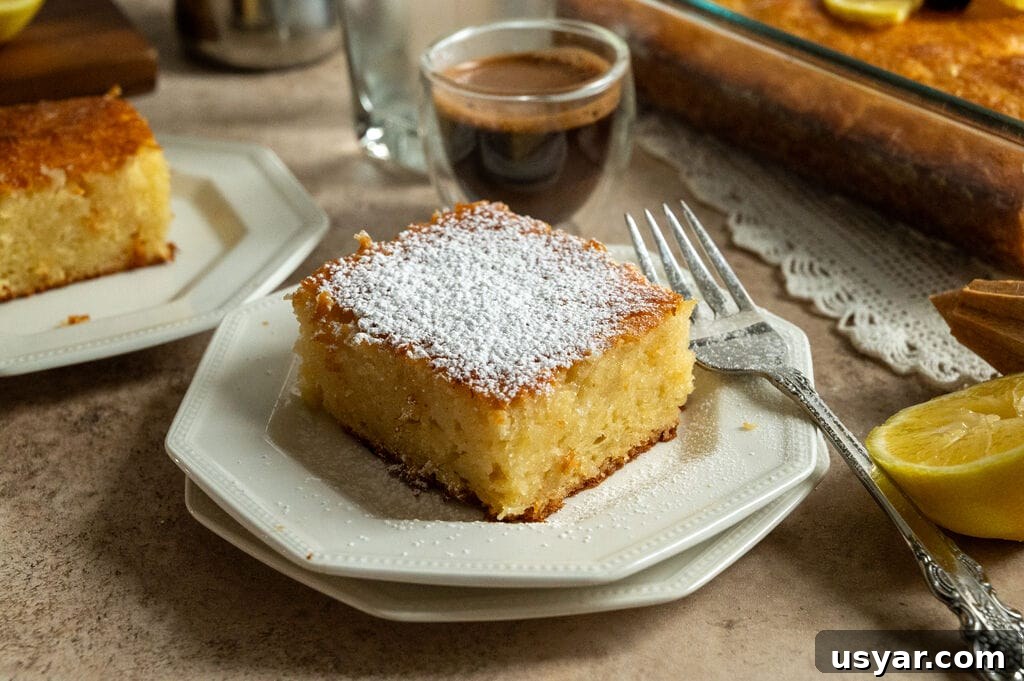
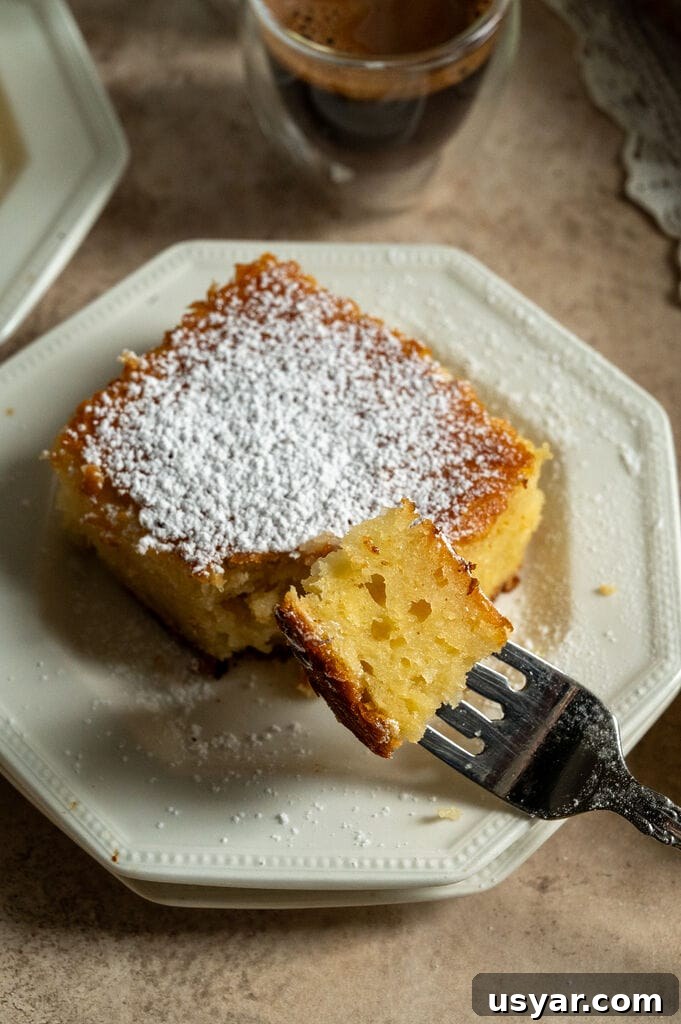
This lemonopita is one of my favourite desserts because it captures everything I love about citrus sweets: vibrant lemon aroma and flavor balanced by a sweet, fragrant syrup. The phyllo-based cake has a pleasingly dense yet tender crumb — moist from the syrup, but still light enough to enjoy a generous slice. The lemon character is strong and fresh, thanks to both juice and zest, and the honey in the syrup rounds the acidity with a warm sweetness.
I also appreciate how the cake is made. Rather than relying on flour, the recipe uses phyllo sheets that are dried and torn into pieces, then folded into the batter. That technique creates a texture unlike most lemon cakes and is the same approach used for other beloved Greek cakes like portokalopita (orange cake). Another practical advantage: lemonopita actually improves after resting, so it’s ideal for making ahead.
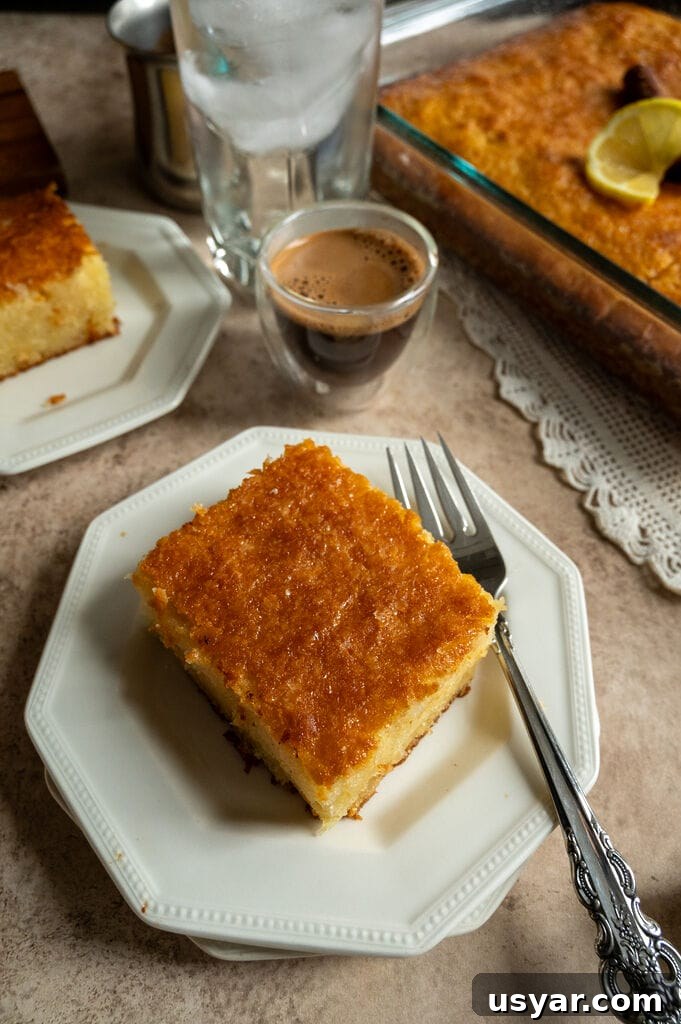
Key ingredients
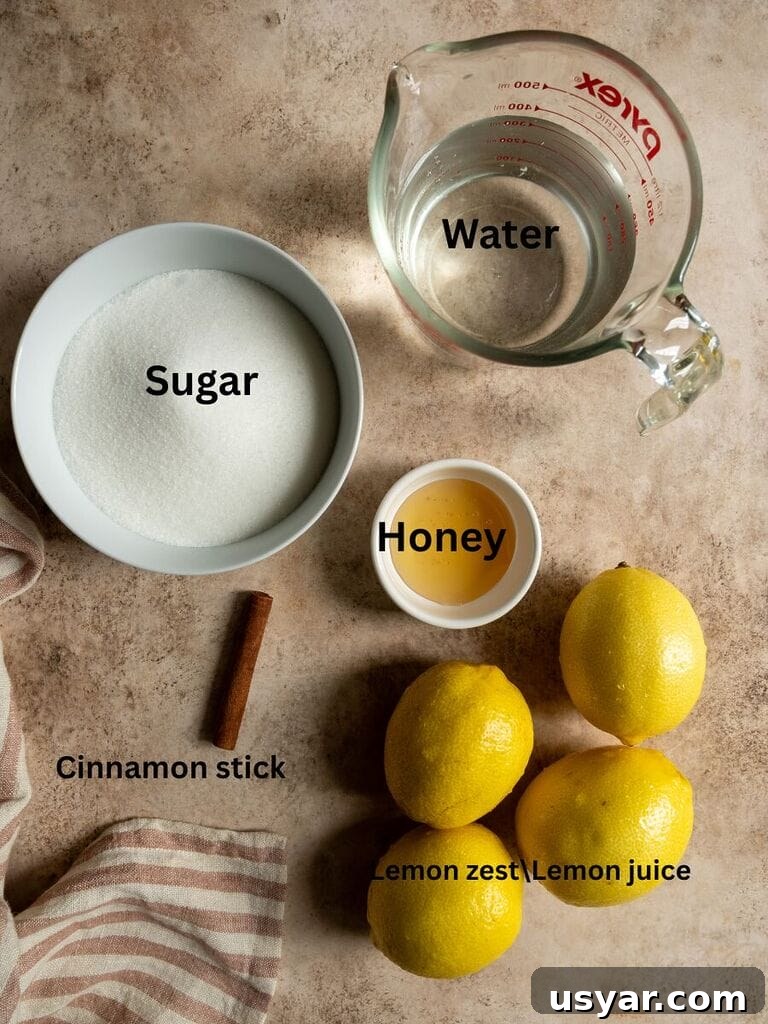
For the syrup
- Water – Plain water is the base of the syrup.
- Sugar – Granulated white sugar dissolves into a clear, balanced syrup.
- Fresh lemon juice – Use freshly squeezed juice for the best brightness.
- Lemon zest – The zest adds concentrated citrus aroma from the oils in the peel.
- Cinnamon stick – Adds gentle warmth without coloring the syrup.
- Honey – A small amount of honey deepens the flavor and softens the lemon’s edge.
For the cake
- Phyllo sheets – Very thin pastry sheets that, when dried and crumbled, create the cake’s unique body.
- Eggs – Provide structure and lift.
- Sugar – Sweetens the batter.
- Lemons – Use fresh lemon juice and plenty of zest for real citrus flavor.
- Greek yogurt – Thick, tangy plain yogurt keeps the cake moist and tender.
- Vanilla extract – Adds a subtle background sweetness; regular vanilla is fine.
- Baking powder and baking soda – Leavening agents to give the cake a light rise.
- Salt – Enhances overall flavor.
- Vegetable oil – A neutral oil that keeps the crumb soft. Olive oil can be used as a swap but will slightly change flavor and color.
- Honey – A touch of honey in the batter complements the syrup.
- Icing sugar – Optional for dusting before serving.
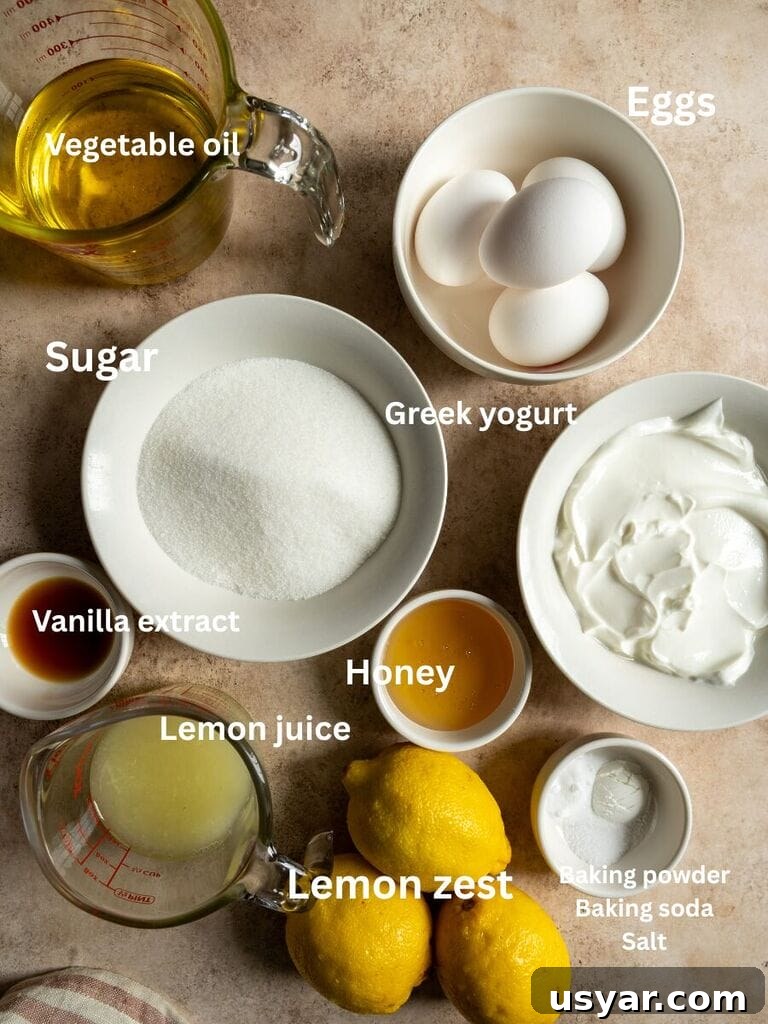
Recipe substitutions
Olive oil instead of vegetable oil
If you prefer to avoid seed oils, use a good-quality mild olive oil in place of vegetable oil. The cake will still be delicious, but expect a subtle change in flavor and a slightly darker hue.
How to make lemonopita
Prepare the syrup
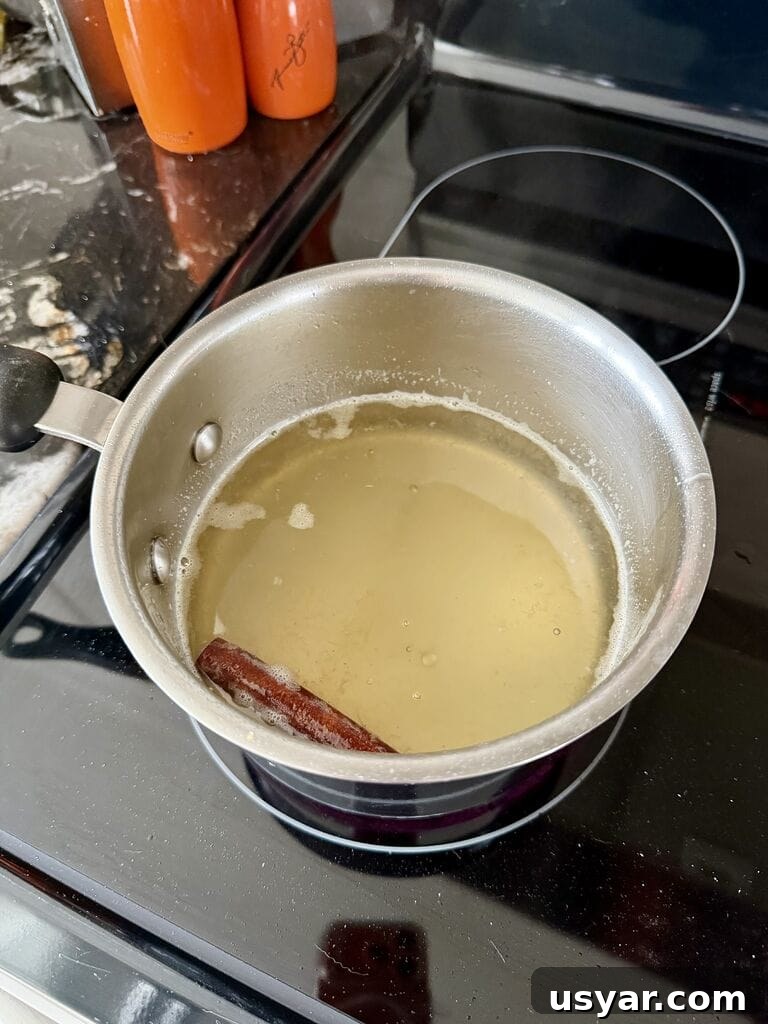
Combine water, sugar, fresh lemon juice, lemon zest, the cinnamon stick and honey in a small saucepan. Bring to a boil, then lower the heat and simmer uncovered for 15 minutes. Remove from heat and let the syrup cool completely. The cooled syrup will be poured over the hot cake later, so let it rest until room temperature.
Dry the phyllo
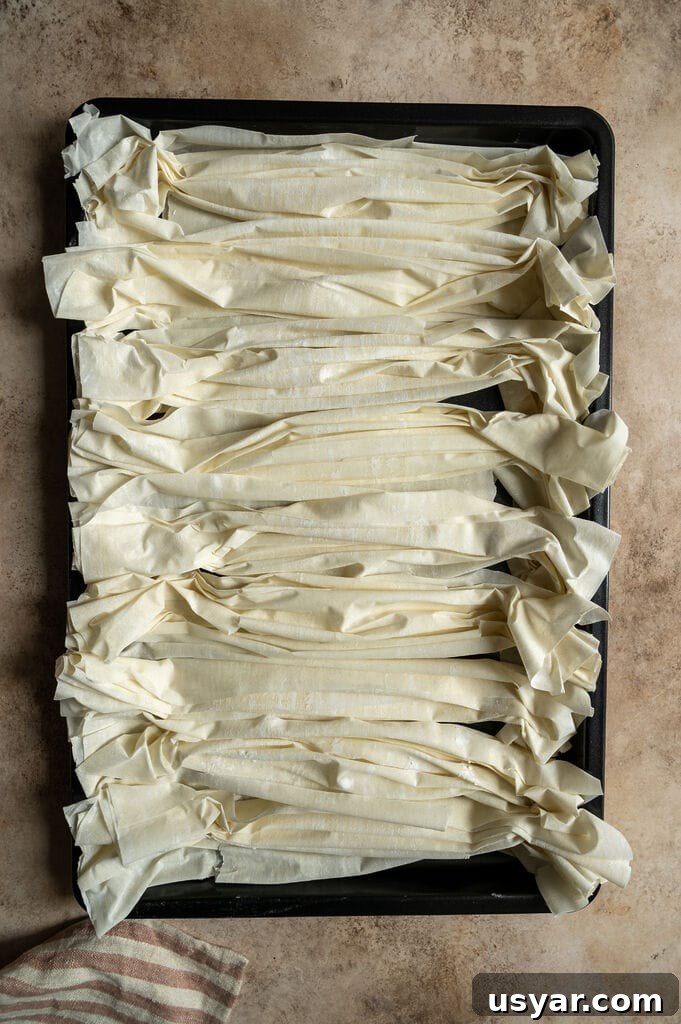
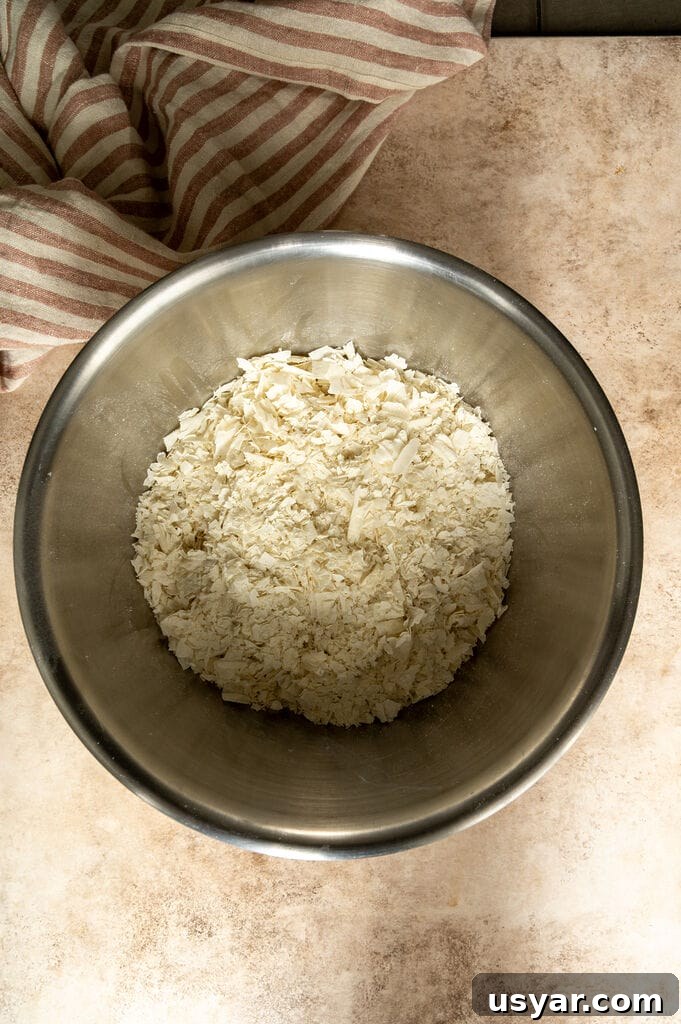
Preheat the oven to 200°F. Scrunch each phyllo sheet loosely and place on two baking sheets, leaving space between pieces. Bake for about 18 minutes, rotating the pans halfway through, until the phyllo is dry and crumbly but not browned. Turn off the oven and allow the phyllo to cool inside with the door slightly ajar. Once cool, tear the dried phyllo into bite-sized pieces.
Prepare batter for lemonopita
Step 1
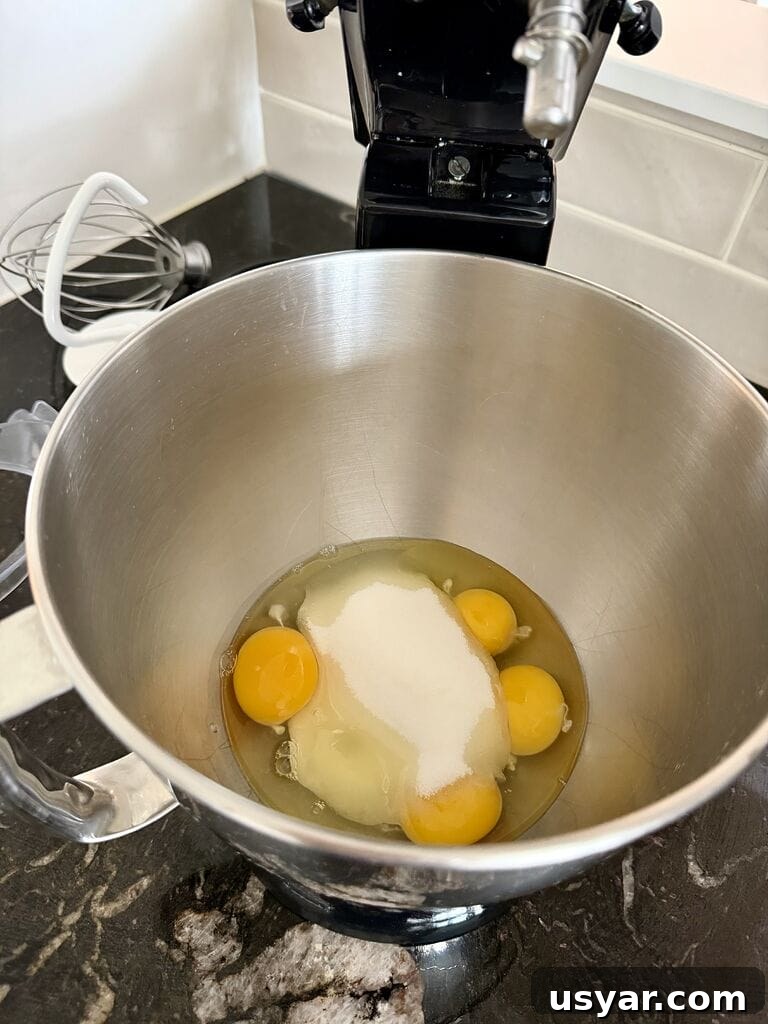
In a large mixing bowl, beat the eggs and sugar together for 3–4 minutes until pale yellow. Add lemon zest, Greek yogurt, vanilla, baking powder, baking soda and salt, and mix until combined.
Step 2
Add the vegetable oil, honey and fresh lemon juice, and mix to combine. Fold in the dried, torn phyllo gradually, a handful at a time, stirring well after each addition until all the phyllo is incorporated.
Step 3
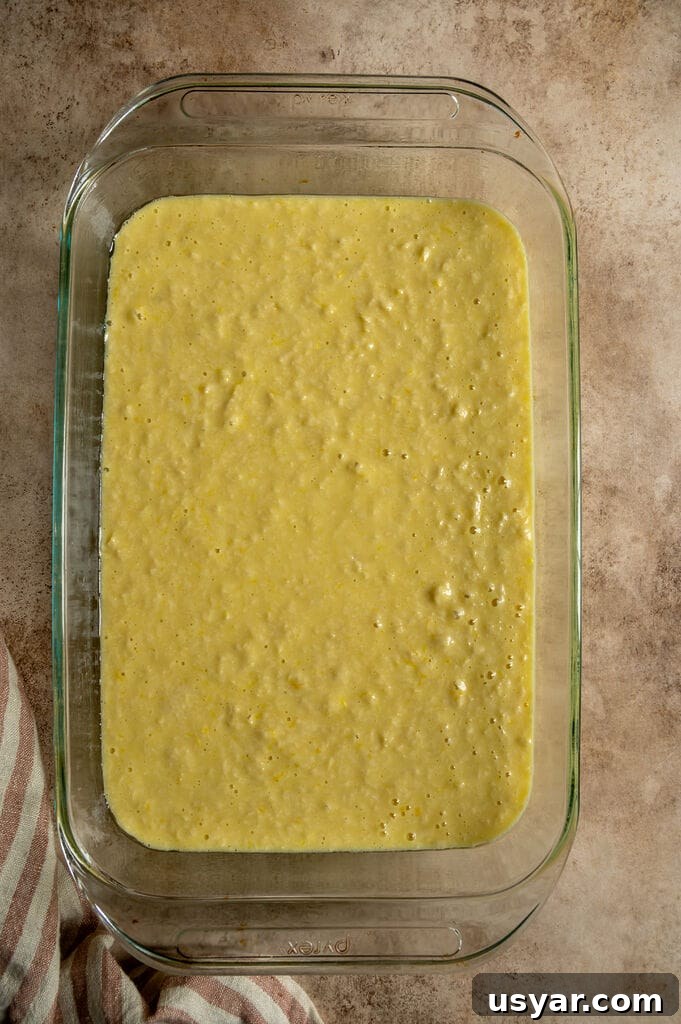
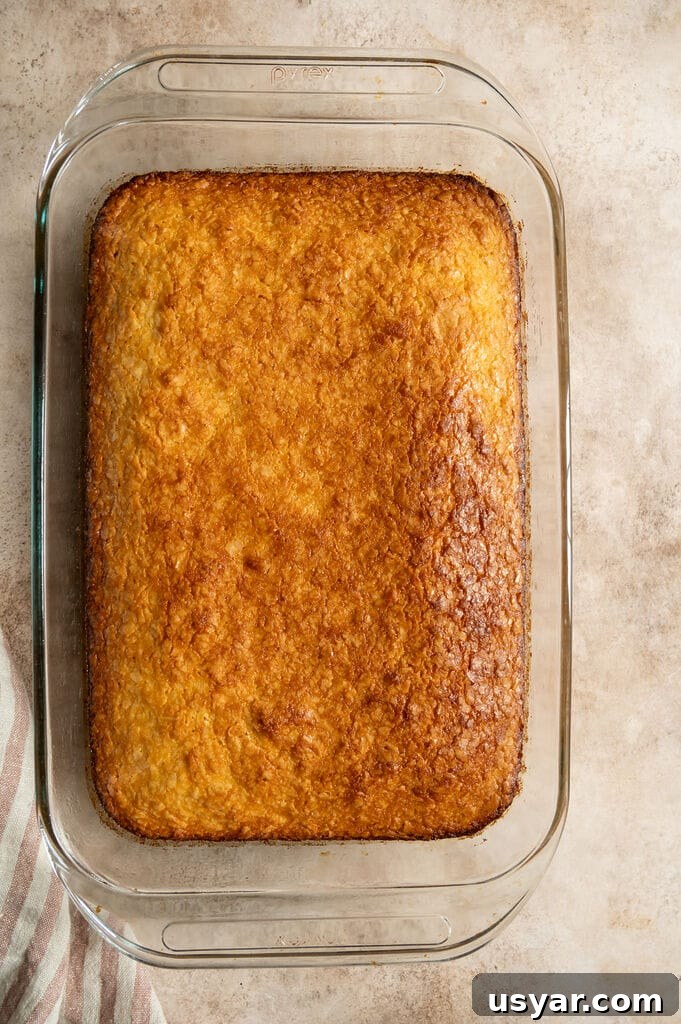
Pour the batter into a greased 9 x 13 inch baking pan and bake in a preheated 350°F oven on the middle rack for 50–60 minutes, until the top is golden. Check after 50 minutes to avoid over-browning.
Step 4
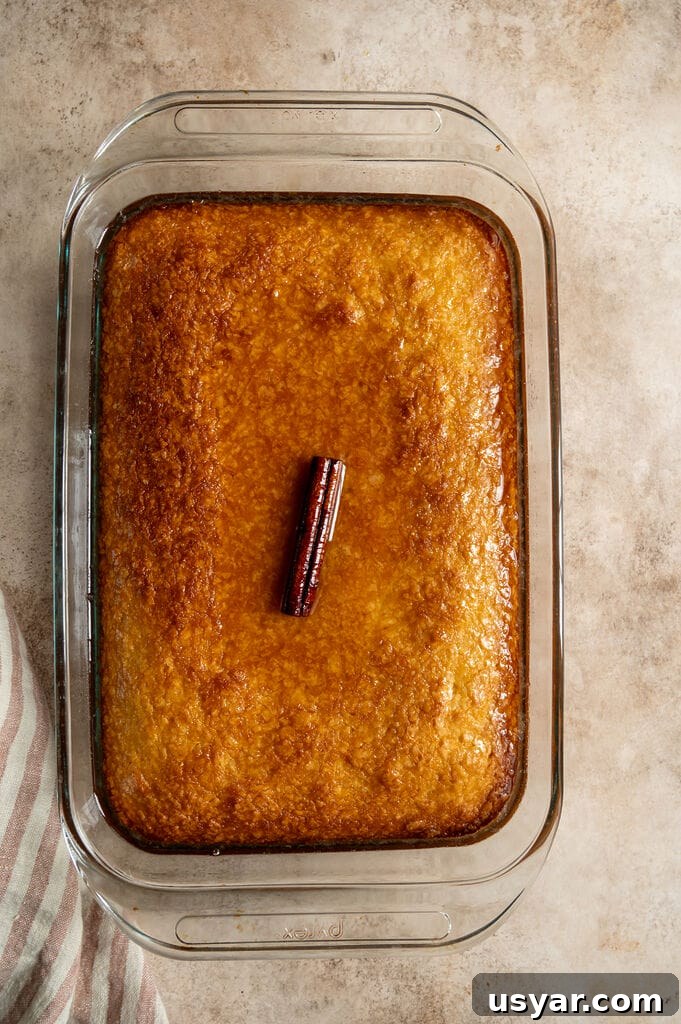
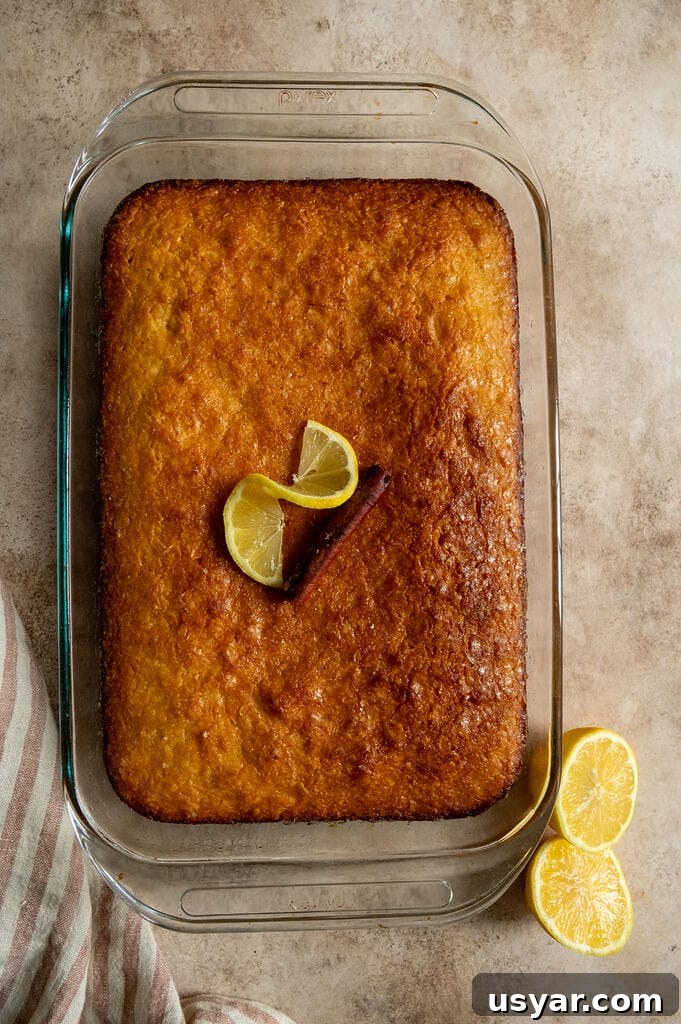
When the cake is done, remove it from the oven and immediately pierce several holes over the surface with a long skewer. Pour the cooled syrup over the hot cake a ladle at a time, allowing each addition to be absorbed before adding more. Continue until all syrup has been used.
Step 5
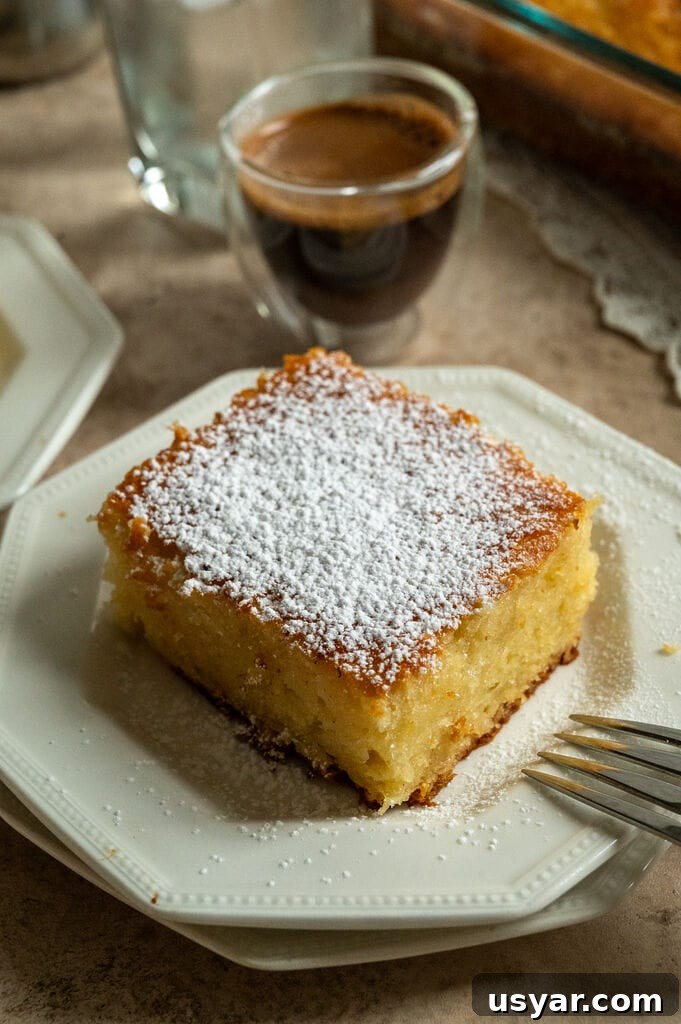
Allow the cake to cool completely before serving. If desired, dust the top with icing sugar for a finishing touch.
Baking tips and helpful hints
- Dry phyllo quickly and evenly by baking at a low temperature rather than air-drying. Scrunch sheets and spread them loosely on baking pans so hot air can circulate.
- Fresh lemon juice and zest give the best flavor, but quality bottled lemon juice can work in a pinch.
- If you only have frozen phyllo, thaw it overnight in the refrigerator to avoid sogginess.
- Taste the batter before baking: if it’s too tart, add 1–2 tablespoons of sugar or a little extra honey; if it’s too mild, add more lemon zest (not juice) for more aroma without thinning the batter.
Recipe variations
This method works beautifully with other citrus, too. For a bright orange variation, make portokalopita by substituting orange juice and orange zest. You can also experiment with a touch of ground spices in the syrup—cloves or star anise added briefly while simmering will create a different aromatic profile.
Frequently asked questions
How is lemonopita different from other lemon cakes?
Lemonopita replaces flour with dried, crumbled phyllo, which creates a distinctive texture. After baking, the cake is soaked in lemon syrup, resulting in a moist interior with an aroma-forward lemon flavor. This technique sets it apart from typical flour-based lemon cakes.
Is it best to use fresh or frozen phyllo dough?
Fresh phyllo from the refrigerated section is convenient and works very well, but frozen phyllo that has been thawed properly in the refrigerator overnight is an acceptable alternative. Since the phyllo is dried and crumbled, either form will produce great results as long as the sheets are handled carefully.
Can lemonopita be made ahead of time?
Yes—lemonopita often tastes better the day after baking because the syrup has more time to fully penetrate the cake, deepening its flavor and improving texture. Store covered in the refrigerator for up to several days and serve chilled or at room temperature.
How to store
Store leftover lemonopita in an airtight container in the refrigerator. It keeps well for a few days and many people prefer its flavor after 24–48 hours. Serve cold, at room temperature, or gently warmed—each way brings out a different nuance in the texture and syrup.
How to serve
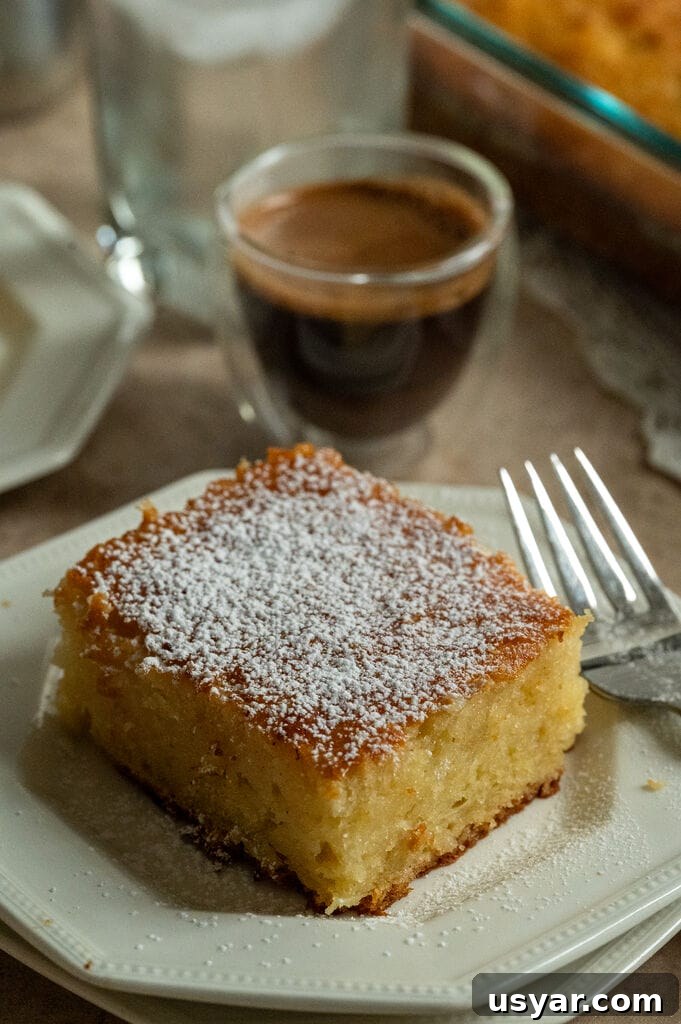
Lemonopita is lovely on its own or paired with a scoop of vanilla ice cream or a dollop of Greek yogurt. It also pairs nicely with a small cup of strong coffee or a gentle chamomile tea.
We love to hear from you! If you make this recipe, please leave a comment and rating.
Related recipes
If you enjoy lemonopita, consider trying other citrus-based Greek desserts such as orange phyllo cake or candied lemon slices to extend the same bright, syrupy profile into new treats.
Recipe

Lemonopita — Greek lemon cake made with phyllo
A traditional Greek syrup cake made with dried phyllo crumbles, infused with lemon juice and zest, and soaked in a honeyed lemon syrup for a moist, flavorful finish.
Course: Dessert | Cuisine: Greek | Diet: Vegetarian
Prep Time: 30 minutes • Cook Time: 50 minutes • Total Time: 1 hour 20 minutes • Servings: 14 • Calories: 321 kcal
Author: Helen Bitzas
Equipment
- 1 9 x 13 inch baking pan
Ingredients
For the syrup
- 1 ½ cups water
- 1 ¾ cups sugar
- ½ cup fresh lemon juice
- Zest of one lemon
- 1 cinnamon stick
- 1 tablespoon honey
For the cake
- 454 grams phyllo sheets (about 1 lb)
- 4 large eggs
- 1 cup sugar
- Zest of 3 lemons
- 1 cup plain Greek yogurt
- 1 teaspoon vanilla extract
- 1 teaspoon baking powder
- 1 teaspoon baking soda
- ¼ teaspoon salt
- 1 cup vegetable oil
- ½ cup fresh lemon juice
- 2 tablespoons honey
- Vegetable oil for greasing the pan
- Icing sugar for dusting (optional)
Instructions
Prepare the syrup
- Combine the water, sugar, lemon juice, lemon zest, cinnamon stick and honey in a small pot. Bring to a boil, then lower heat and simmer uncovered for 15 minutes. Remove from heat and cool completely.
Dry the phyllo
- Preheat oven to 200°F. Scrunch phyllo sheets one by one and place loosely on two baking sheets. Bake on middle and lower racks for about 10 minutes, flip and swap racks, then bake for another 8 minutes. Turn off oven and leave the phyllo inside with the door slightly ajar to cool. Tear into pieces once dry.
Prepare the cake batter
- Preheat oven to 350°F.
- Beat eggs and 1 cup sugar for 3–4 minutes until pale. Add lemon zest, yogurt, vanilla, baking powder, baking soda and salt and mix until combined.
- Add the oil, ½ cup lemon juice and 2 tablespoons honey; mix well.
- Fold in the dried phyllo pieces gradually using a spatula until fully incorporated.
- Pour batter into a greased 9 x 13 inch pan and bake 50–60 minutes until golden. Check at 50 minutes to avoid over-browning.
- Immediately after removing from oven, pierce the cake in several spots with a skewer and pour the cooled syrup over the hot cake, a ladle at a time, allowing syrup to absorb between additions.
- Let the cake cool completely before serving. Dust with icing sugar if desired.
Notes
Pour the liquid ingredients into a bowl larger than your mixer bowl to make folding in the phyllo easier. Taste the batter before baking: add a little extra sugar or honey if it’s too sharp, or add more lemon zest if it’s too mild. The cake is often better the next day.
Nutrition
Calories: 321 kcal • Carbohydrates: 69 g • Protein: 5 g • Fat: 3 g • Sugar: 51 g