During this masterclass, we had the opportunity to learn from Robert Verweij, a young Dutch chef and viticulturist who is widely known for his appearances as a TV chef on the Dutch television show Life & Cooking. In addition to his work as a chef and wine expert, Robert gives a variety of cooking workshops and wine workshops. He is also a cheese connoisseur, which made him the perfect person to guide us through a day focused on flavor, technique, wine, food pairing, and tasting with attention.
The day started with a hands-on introduction to making ice cream. Robert showed us how a few simple ingredients, including cream, yoghurt, vanilla, and lemon, can be transformed into a delicious homemade ice cream. What made the demonstration especially interesting was that he did not only show the recipe itself, but also explained the different methods used to make ice cream. He discussed how texture, temperature, fat content, acidity, and sweetness can influence the final result. By tasting several different types of ice cream, we were able to notice the differences more clearly and understand why one version feels creamier, fresher, lighter, or more intense than another.
It was a very practical and enjoyable way to learn. Instead of simply listening to theory, we were encouraged to taste, compare, and think about what was happening in the product. The combination of creaminess from the dairy, freshness from the yoghurt, fragrance from the vanilla, and brightness from the lemon created a balanced dessert that was both rich and refreshing. Unfortunately, I forgot to take a picture of the ice cream, but it was genuinely excellent. The morning passed before we knew it, which is usually a good sign during a cooking masterclass.
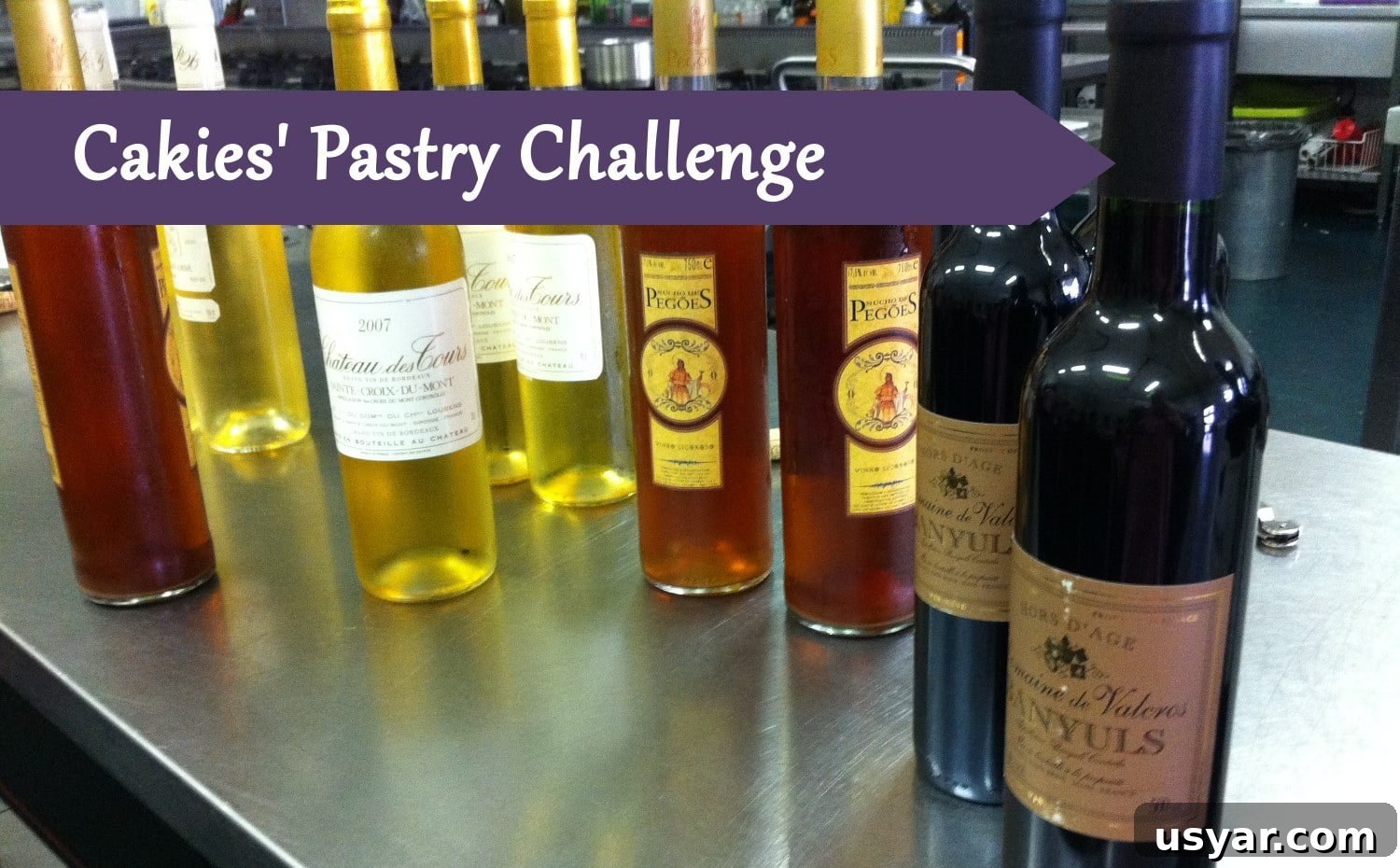
After lunch, the focus shifted from ice cream to wine and food tasting. This part of the workshop was all about learning how to taste more objectively. We received a form on which we had to grade the wines and the food separately, as well as evaluate how they worked together as combinations. Robert guided us through a series of tastings that included wine with sweet desserts and wine with cheese. Each pairing invited us to think carefully about sweetness, acidity, bitterness, creaminess, intensity, aroma, and balance.
The most important lesson was that tasting is not the same as simply deciding whether you personally like something. Of course, personal preference is always present, but the purpose of the exercise was to look beyond that. For example, instead of writing down that a dessert was “nice” or “not my favorite,” we had to describe whether it was sweet, fresh, rich, light, creamy, sharp, or intense. The same applied to the wine. Was it dry or sweet? Did it have enough acidity? Was the flavor delicate or powerful? Did the wine become better with the food, or did the food overwhelm the wine?
By approaching the tasting in this more structured way, it became easier to understand why some food and wine combinations work better than others. A sweet dessert, for example, asks something different from a wine than a piece of cheese does. A wine that tastes balanced on its own can change completely when paired with food, and a dish that seems simple can become more interesting with the right glass of wine. This is exactly what made the workshop so useful: it helped us experience food and wine pairing instead of only reading about it.
All in all, I learned a great deal during this Robert Verweij masterclass. The ice cream demonstration was inspiring, the wine and food tasting was educational, and the overall atmosphere made the day both relaxed and informative. Robert explained everything clearly and made the subject accessible without oversimplifying it. I would not hesitate to attend another cooking or wine workshop with him. If it had been up to me, the tasting session could easily have continued for a little longer.