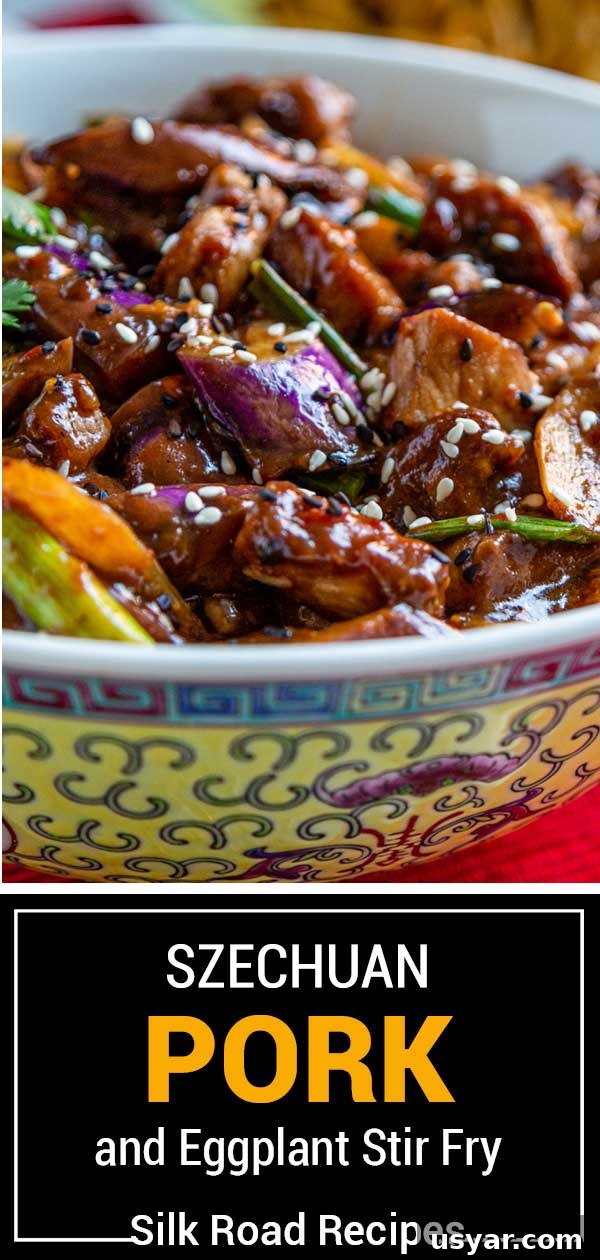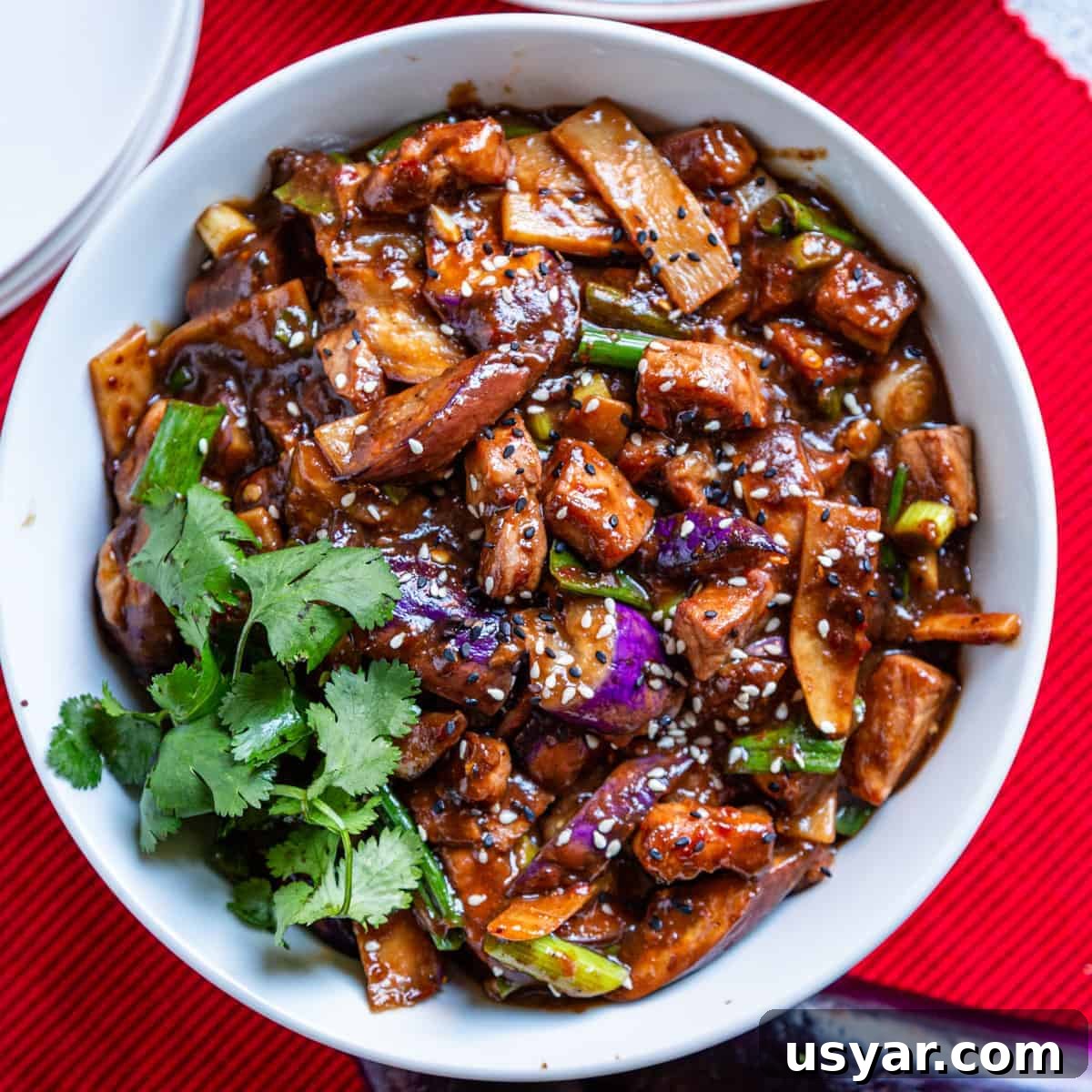
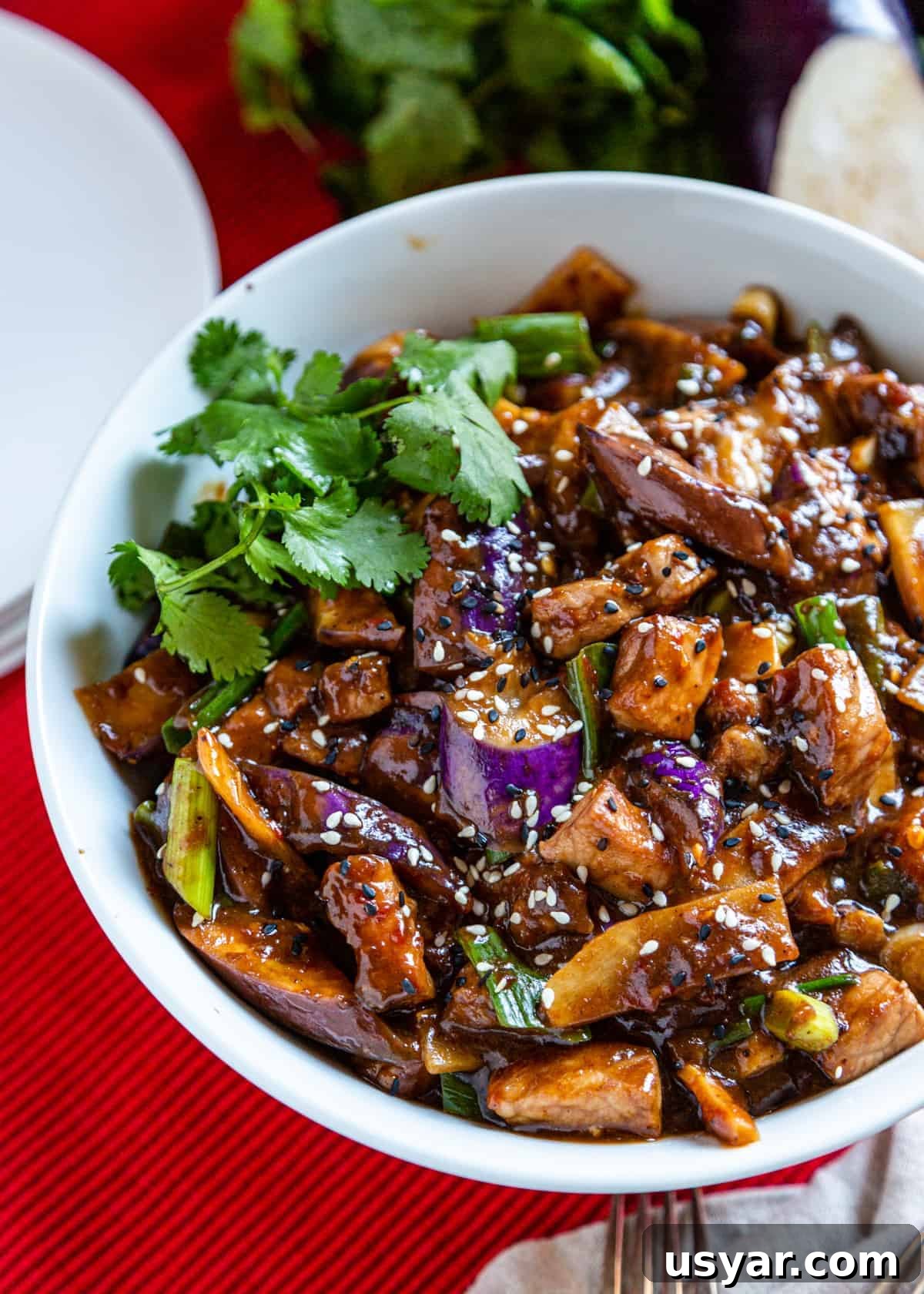
Crispy Szechuan pork and tender Chinese eggplant make a bold, spicy, and deeply savory stir fry. Finished with green onions, bamboo shoots, garlic, ginger, and a glossy chili-black bean sauce, this easy Asian pork and eggplant recipe delivers big flavor and satisfying texture in about 30 minutes.
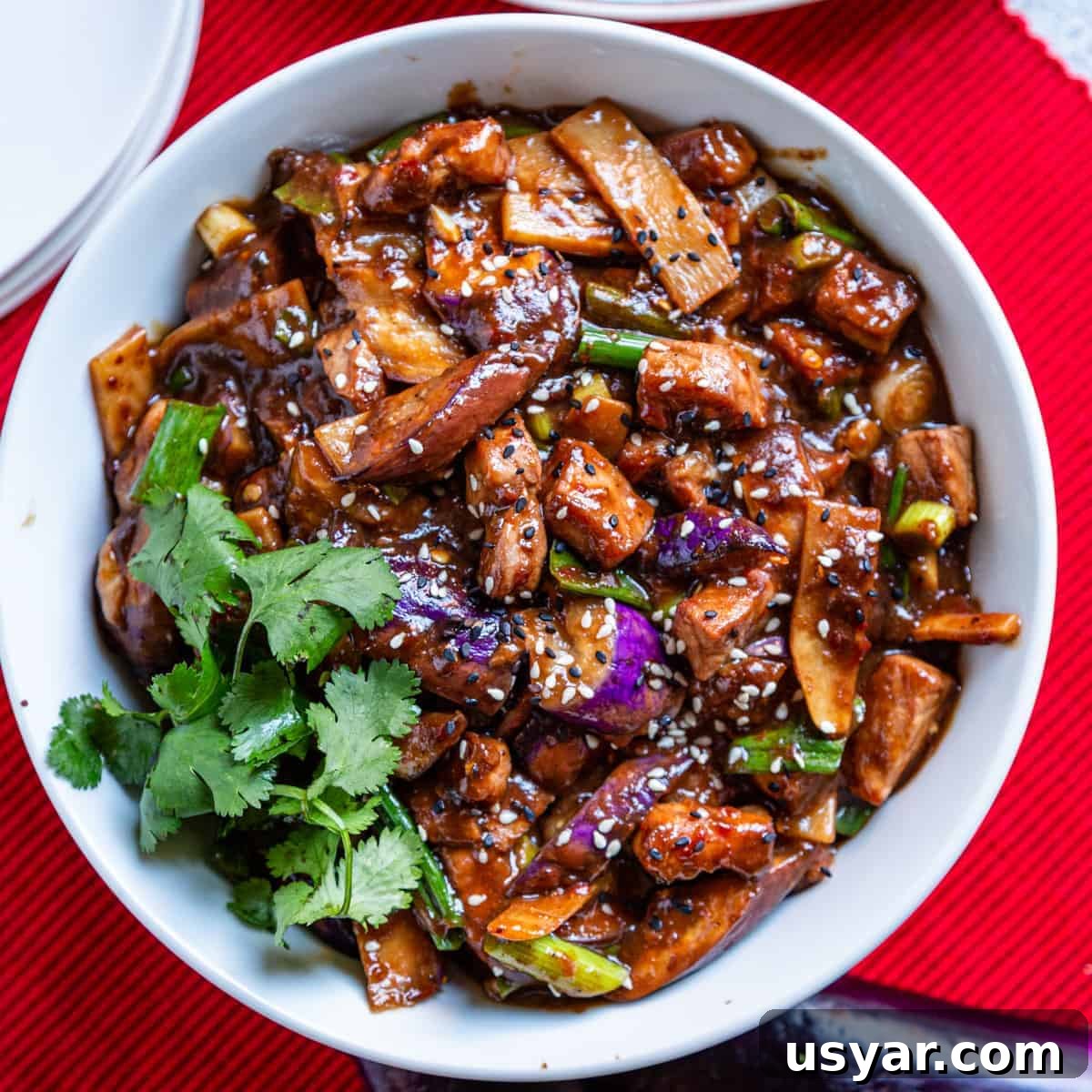
Szechuan Pork and Eggplant Stir Fry
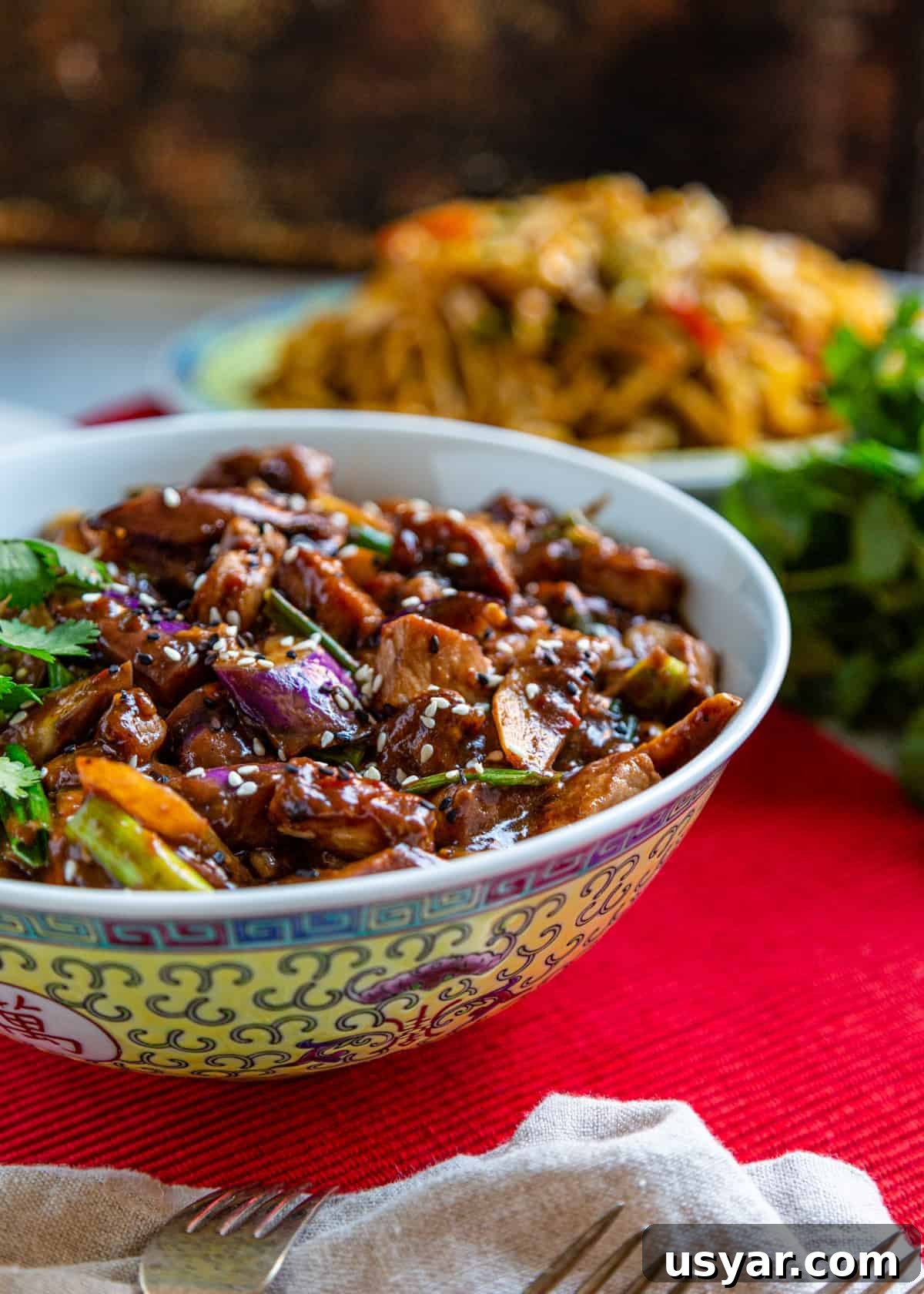
This Szechuan pork and eggplant stir fry is the kind of quick dinner that tastes like it took much longer than it did. The pork is marinated briefly with soy sauce and cornstarch, then stir fried until the edges become crisp and golden. Chinese eggplant adds a soft, slightly sweet contrast, while bamboo shoots bring crunch and green onions add freshness.
The sauce is where this dish really comes alive. Chili paste gives it heat, black bean sauce adds savory depth, ginger brings brightness, and honey balances everything with a touch of sweetness. A splash of apple cider vinegar sharpens the flavor, and sesame oil finishes the stir fry with a nutty aroma. Serve it over steamed rice or noodles for a complete, satisfying meal.
Szechuan, also spelled Sichuan, cuisine comes from China’s Sichuan Province and is known for bold, complex flavors. This version does not use Szechuan peppercorns, but it still captures the spicy, savory, and aromatic character people love in Szechuan-style cooking.
Table of Contents
- A Quick Heat Warning
- Ingredient Notes and Substitutions
- How to Make Szechuan Pork Stir Fry
- Recommended Tools
- Storing and Reheating
- Frequently Asked Questions
- Szechuan Pork and Eggplant Stir Fry Recipe
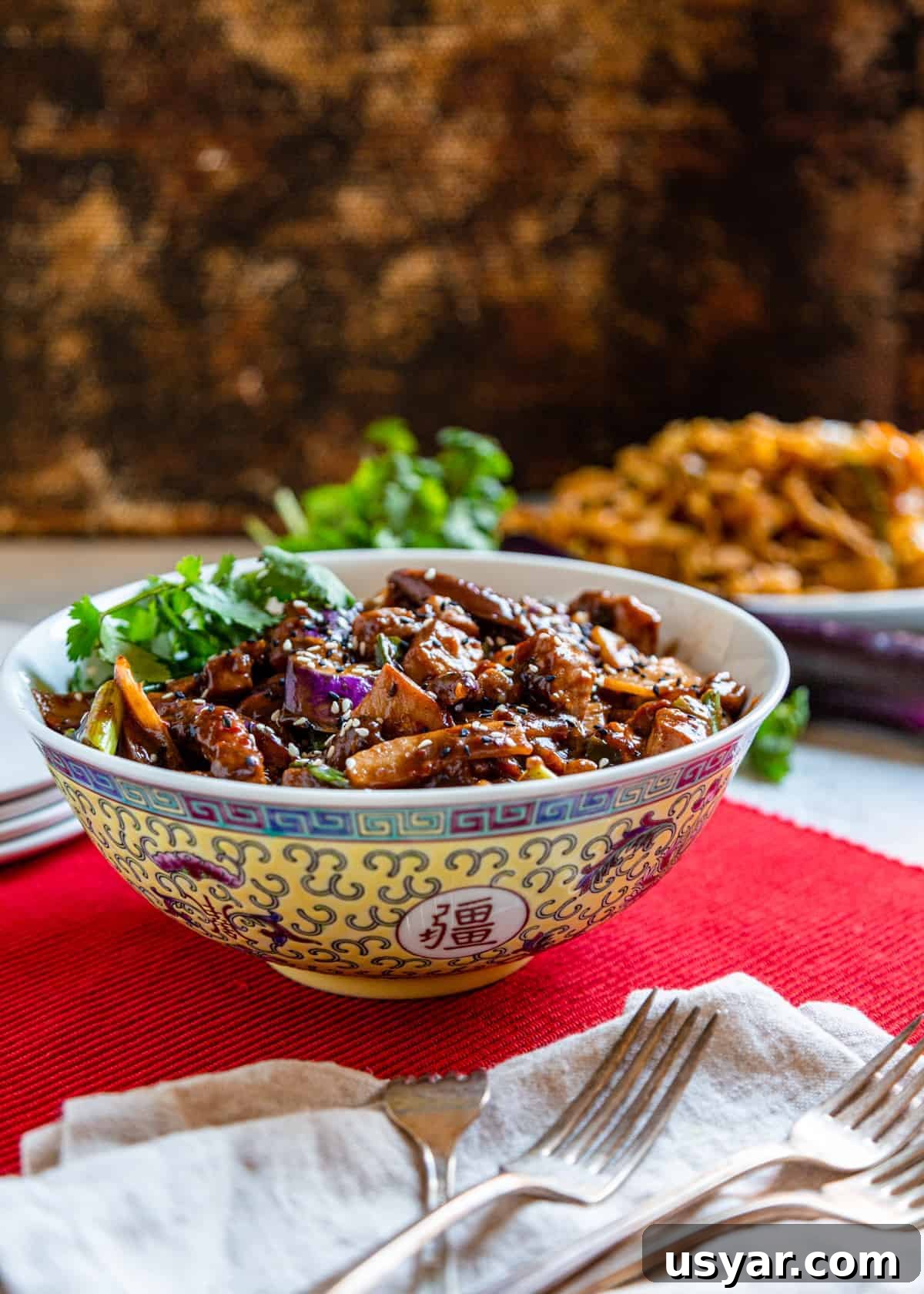
Tip From Kevin
A Quick Heat Warning
This Szechuan pork stir fry is spicy. If you enjoy bold heat, make it as written. If you prefer a milder dish, reduce the chili paste to suit your taste. The recipe is easy to adjust without losing the savory balance of the sauce.
Chinese eggplant is especially well suited to stir fry recipes because it cooks quickly and becomes tender without needing to be peeled. Its mild sweetness helps balance the stronger flavors in the sauce, making it a perfect partner for crisp pork and spicy seasonings.
Ingredient Notes and Substitutions
(Check the recipe card below for the full ingredient list and exact quantities.)
- Pork Tenderloin – Pork tenderloin is lean, tender, and cooks quickly, making it a great choice for stir fry. Boneless pork chops may also be used if sliced into thin strips.
- Chinese Eggplant – This long, slender, lavender-colored eggplant has thin skin and a mild, slightly sweet flavor. It softens beautifully in the wok and does not need to be peeled.
- Cornstarch – Cornstarch helps coat the pork so it can develop crisp edges. It is also used in the sauce to help it thicken and cling to the pork and vegetables.
- Garlic – Fresh minced garlic adds warmth, depth, and aroma. Add it to the hot oil briefly so it releases flavor without burning.
- Green Onions – Green onions add freshness and a light sweetness that helps brighten the finished dish.
- Bamboo Shoots – Bamboo shoots bring a crisp texture and earthy flavor. Water chestnuts can be used as a substitute if desired.
- Vegetable Oil – Use vegetable oil or another neutral oil with a high smoke point for stir frying over high heat.
- Chili Paste – Sambal Oelek gives the sauce its heat and tangy chili flavor. Use less for a milder stir fry.
- Black Bean Sauce – This savory sauce adds rich, salty, umami flavor and helps build the base of the Szechuan-style sauce.
- Ginger Paste – Fresh ginger paste blends smoothly into the sauce and adds a bright, peppery note. Minced fresh ginger can be used if needed.
- Apple Cider Vinegar – Vinegar adds acidity and keeps the sauce from tasting too heavy. Rice wine vinegar is a good alternative.
- Sesame Oil – A small amount of sesame oil adds a nutty finish. Use it sparingly because the flavor is concentrated.
- Soy Sauce – Soy sauce seasons both the pork marinade and the stir fry sauce with salty, savory depth.
- Honey – Honey balances the chili heat and helps the sauce turn glossy as it thickens in the wok.
How to Make Szechuan Pork Stir Fry
- Marinate the Pork. Cut the pork tenderloin into evenly sized strips or 1-inch pieces. Toss with 2 tablespoons cornstarch and 2 tablespoons soy sauce, then refrigerate for at least 15 minutes.
- Prepare the Eggplant. Trim the ends from the Chinese eggplant. Cut each one lengthwise into quarters, then slice crosswise into 2-inch pieces. Toss lightly with salt and let it sit while you prepare the sauce. This helps draw out excess moisture.
- Mix the Sauce. In a small bowl, stir together the remaining cornstarch, chili paste, black bean sauce, ginger paste, remaining soy sauce, honey, apple cider vinegar, and sesame oil. Stir until the honey dissolves.
- Stir Fry the Pork. Heat vegetable oil in a wok or large skillet over high heat. Add the garlic and stir quickly. Cook the pork in batches until browned and crisp at the edges. Avoid overcrowding the pan.
- Sear the Eggplant. Gently squeeze or pat excess moisture from the eggplant. Add it to the wok and stir fry until seared and tender, about 3 minutes.
- Add Vegetables and Sauce. Add the green onions and bamboo shoots. Pour in the sauce and stir fry until fragrant, glossy, and thickened. If the sauce becomes too thick, loosen it with a small splash of water or chicken broth.
- Serve. Spoon the Szechuan pork and eggplant stir fry over steamed rice or noodles and serve hot.
Recommended Tools
- Wok – A wok is ideal for this recipe because it handles high heat well and gives you enough room to toss the ingredients quickly. A large skillet can also work if you do not have a wok.
Storing and Reheating
Store leftover Szechuan pork and eggplant stir fry in an airtight container in the refrigerator for up to 3 days. This dish reheats well, making it a good option for meal prep or next-day lunches.
Freezing is not recommended because cooked eggplant can become mushy after thawing. For the best texture, reheat leftovers in a wok or skillet over medium heat until warmed through. Add a small splash of broth, water, or cooking oil if the sauce has thickened too much in the refrigerator.
Frequently Asked Questions
No. Chinese eggplant has thin, tender skin that cooks down nicely in a stir fry. Simply trim off the ends, cut it into pieces, and cook it with the skin on.
The most common reason is overcrowding the wok. If too much pork is added at once, it will steam instead of fry. Cook the pork in small batches over high heat so the pieces brown quickly and develop crisp edges.
Szechuan-style dishes are known for bold spice and complex savory flavors. Kung Pao recipes are also spicy but often include a sweeter balance, while Hunan dishes commonly lean into hot and sour flavors. This Szechuan pork and eggplant stir fry is a great choice when you want a spicy, savory dinner.

Szechuan Pork and Eggplant Stir Fry
Ingredients
- 1 lb pork tenderloin (See Note 1)
- 3 tbsp cornstarch divided
- 4 tbsp soy sauce divided
- 3 garlic cloves, minced
- 2 Chinese eggplant
- 4 green onions
- 8 oz sliced bamboo shoots
- 3 tbsp chili paste Sambal Oelek
- 2 tbsp black bean sauce
- 1 tbsp fresh ginger paste
- 1 tbsp honey
- 1 tbsp apple cider vinegar
- 2 tbsp vegetable oil
- 1 tsp sesame oil
Instructions
-
Cut the pork tenderloin into 1-inch pieces or strips. Place it in a bowl with 2 tablespoons cornstarch and 2 tablespoons soy sauce. Toss to coat and refrigerate for at least 15 minutes.
-
Trim the ends from the Chinese eggplant. Cut each eggplant lengthwise into quarters, then cut crosswise into 2-inch pieces. Toss lightly with kosher salt and set aside to release excess moisture.
-
Make the sauce by mixing the remaining tablespoon of cornstarch, chili paste, black bean sauce, ginger paste, remaining 2 tablespoons soy sauce, honey, apple cider vinegar, and sesame oil. Stir until smooth and set aside.
-
Heat a wok or large skillet over high heat and add the vegetable oil. Add the minced garlic and stir fry briefly. Add the pork in batches and cook until browned with crisp edges.
-
Gently squeeze or pat excess moisture from the eggplant. Add it to the wok and stir fry until seared, about 3 minutes.
-
Add the green onions and bamboo shoots. Pour in the sauce and stir fry for about 1 minute, until fragrant and thickened. If needed, thin the sauce with a little chicken broth or water.
-
Serve hot with steamed rice or your favorite noodles.
Notes
- Boneless pork chops may be substituted. Slice them into 1/2-inch strips before marinating.
Nutrition
| Carbohydrates: 32g
| Protein: 32g
| Fat: 13g
| Saturated Fat: 7g
| Cholesterol: 71mg
| Sodium: 1049mg
| Potassium: 1119mg
| Fiber: 9g
| Sugar: 16g
| Vitamin A: 196IU
| Vitamin C: 11mg
| Calcium: 47mg
| Iron: 2mg
The information shown is an estimate provided by an online nutrition calculator. It should not be considered a substitute for professional nutrition advice.