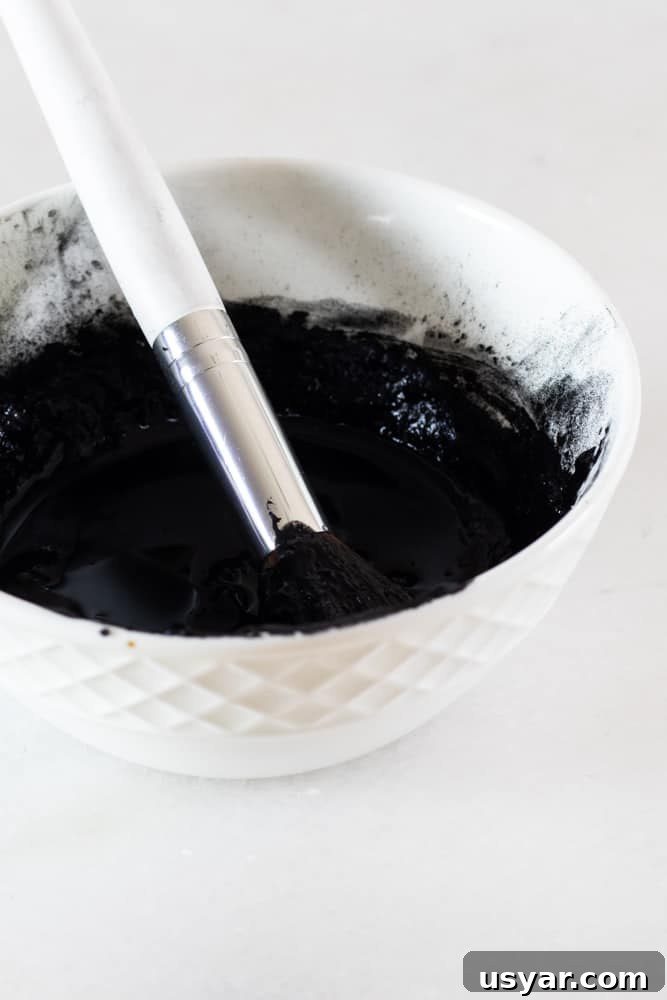
Making your own DIY charcoal peel-off mask is a simple way to support smoother, clearer-looking skin at home. This homemade face mask is especially popular for areas prone to blackheads, and it uses a short list of ingredients that are easy to mix together.
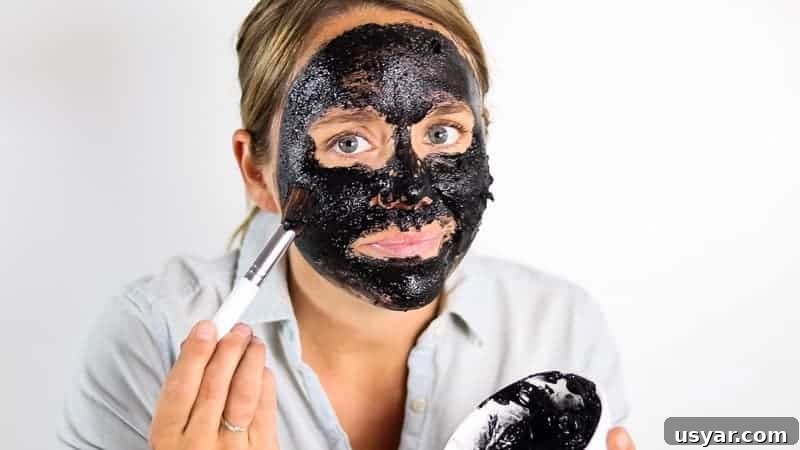
This DIY charcoal peel-off mask is made with activated charcoal, bentonite clay, gelatin, and water. Lavender essential oil can also be added if you enjoy using it in your skincare routine. Together, these ingredients create a dark, spreadable paste that dries on the skin and can be gently peeled away.
Activated charcoal is the star ingredient in this homemade blackhead mask. It is often used in natural skincare because it helps lift away buildup from the surface of the skin. Bentonite clay gives the mask a smooth texture while helping absorb excess oil and impurities. Gelatin is what makes the mask firm enough to peel off once it dries.
When used carefully, this charcoal peel-off face mask can leave the skin feeling refreshed, soft, and clean. It is best used as an occasional treatment rather than an everyday skincare product, especially if your skin is dry or sensitive.
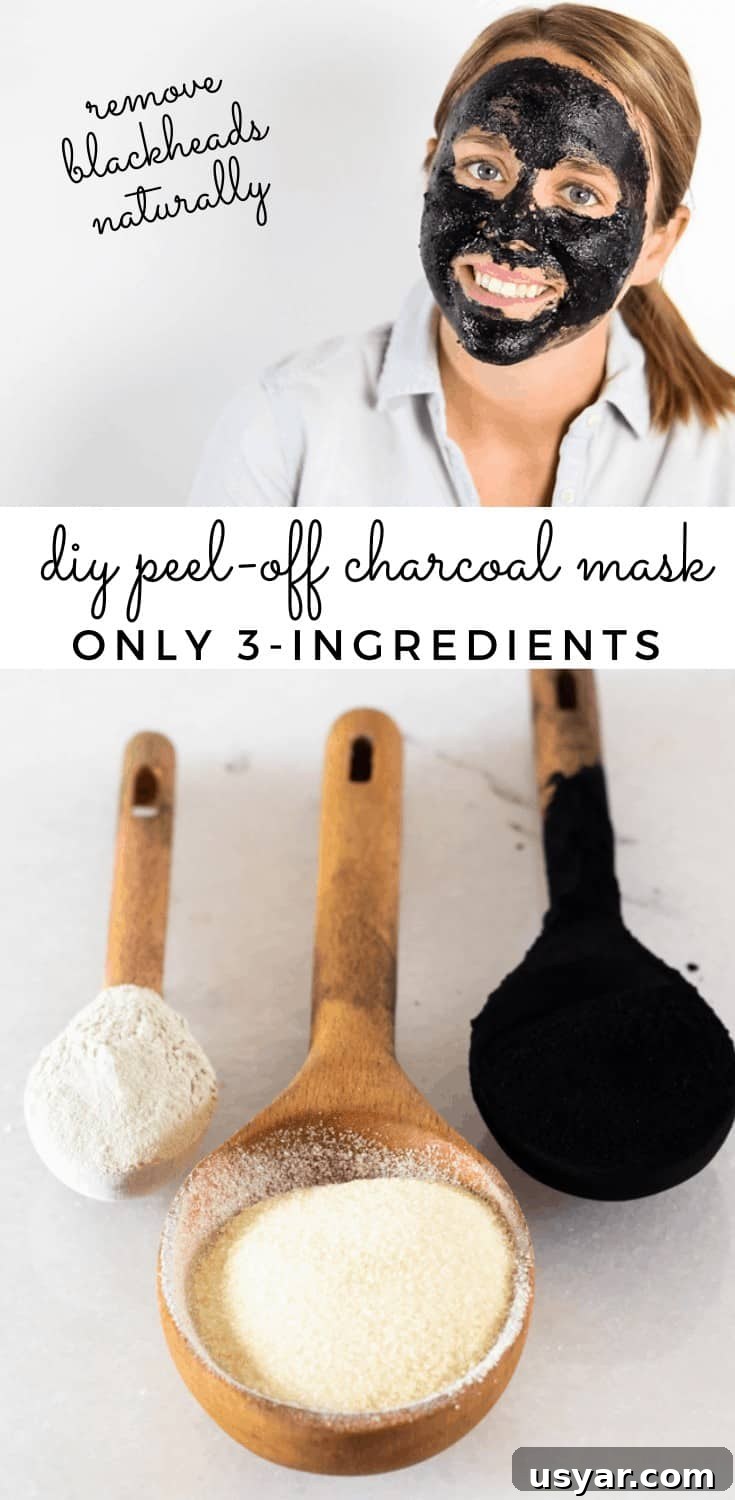
DIY peel-off charcoal mask ingredients
This recipe uses a few key ingredients that work together to create a peelable mask. The lavender essential oil is optional, so you can leave it out if you prefer a simpler formula or if your skin is sensitive to essential oils.
Activated charcoal benefits
Activated charcoal is a fine black powder that can be made from materials such as bamboo, wood, coconut husks, peat, olive pits, or sawdust. In skincare, it is valued for its ability to bind to dirt, oil, and buildup on the surface of the skin.
When used in a homemade face mask, activated charcoal can help cleanse the pores and improve the appearance of congested skin. It is especially useful in areas where blackheads are common, such as the nose, chin, and forehead. Because it is very dark and can be messy, it is best to use it carefully and protect clothing and towels while applying the mask.
Bentonite clay benefits
Bentonite clay is a mineral-rich clay that contains nutrients such as calcium, magnesium, silica, sodium, potassium, and iron. It has a light gray or cream color and usually has little to no scent.
When added to a face mask, bentonite clay helps create a smooth paste and can absorb excess oil from the skin. It is often used in homemade skincare recipes for oily or combination skin. In this charcoal peel-off mask, it works with the activated charcoal to help leave the face feeling clean and refreshed.
Because clay can react with metal, it is best to mix this recipe in a glass bowl using a wooden spoon, bamboo skewer, or wooden applicator. Avoid using metal or stainless steel tools when preparing the mask.
Gelatin
Gelatin is an important ingredient in this DIY peel-off mask because it acts as the binder. It helps the mask dry into a flexible layer that can be peeled from the skin. Many peel-off mask recipes use glue, but gelatin is a better option for a homemade skincare recipe.
Use plain, unflavored gelatin for this mask. Flavored gelatin or gelatin with added sugar should not be used on the face. Once mixed with hot water, gelatin thickens the mask and gives it the peel-off texture.
Lavender essential oil optional
Lavender essential oil can be added for its pleasant scent and gentle skincare benefits. It is commonly used in homemade beauty recipes and is generally considered one of the milder essential oils. However, essential oils should always be used with care, especially on the face.
If you have sensitive skin, you may want to skip the essential oil entirely. You can still make an effective charcoal peel-off mask without it. If you choose to use lavender essential oil, only add a few drops and avoid applying the mask too close to the eyes.
How to make a DIY charcoal peel-off mask
Ingredients
- 1 teaspoon activated charcoal
- 1/2 teaspoon bentonite clay
- 1 tablespoon unflavored gelatin
- 2 tablespoons water
- 3-5 drops lavender essential oil, optional
Instructions
- Add the activated charcoal, bentonite clay, and gelatin to a glass bowl. Do not use a metal bowl or metal spoon when working with bentonite clay.
- Bring the water to a boil, then carefully pour it over the dry ingredients.
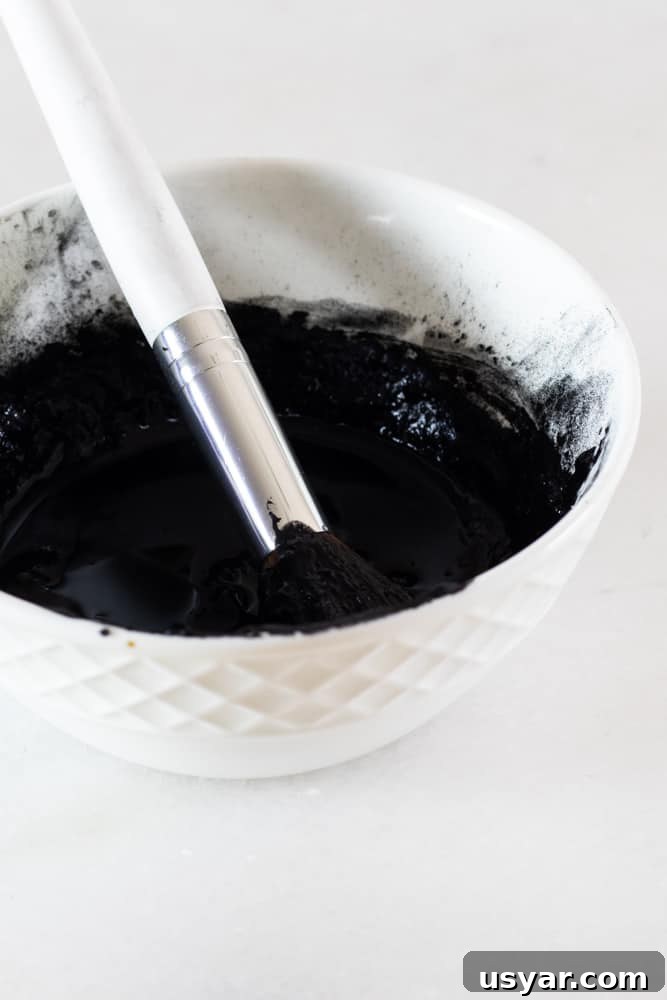
- Stir the mixture with a wooden spoon, bamboo skewer, or wooden popsicle stick until it forms a smooth paste.
- If using lavender essential oil, add it now and stir until fully combined.
- Allow the mask to cool until it is comfortable to touch before applying it to the skin.
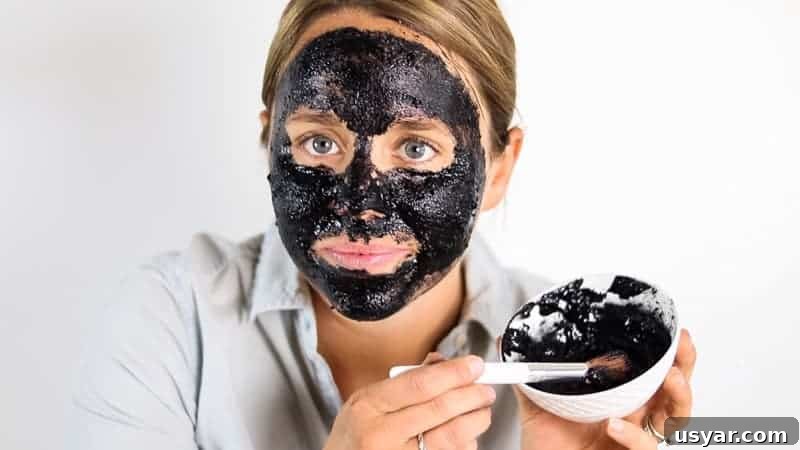
How to use your homemade charcoal mask
Start with clean skin. Wash your face with a gentle cleanser and allow it to air dry before applying the mask. Clean skin helps the mask spread more evenly and allows it to sit directly on the areas you want to treat.
Using a small makeup brush or clean applicator, apply a thin, even layer of the charcoal mask to the face. Avoid the eye area, eyebrows, eyelashes, lips, and hairline. This mask can grip onto hair as it dries, so take your time while applying it.
Let the mask dry completely. Once dry, start at an outer edge and gently peel it away in small sections. Do not pull aggressively. If the mask feels uncomfortable, too tight, or difficult to remove, rinse it off with warm water instead of peeling it.
You can also apply the mask only to blackhead-prone areas rather than the entire face. The nose, chin, and center of the forehead are common areas where this type of mask may be useful.
After removing the mask, rinse the skin with warm water to remove any residue. Pat the face dry and follow with a gentle moisturizer to help keep the skin comfortable.
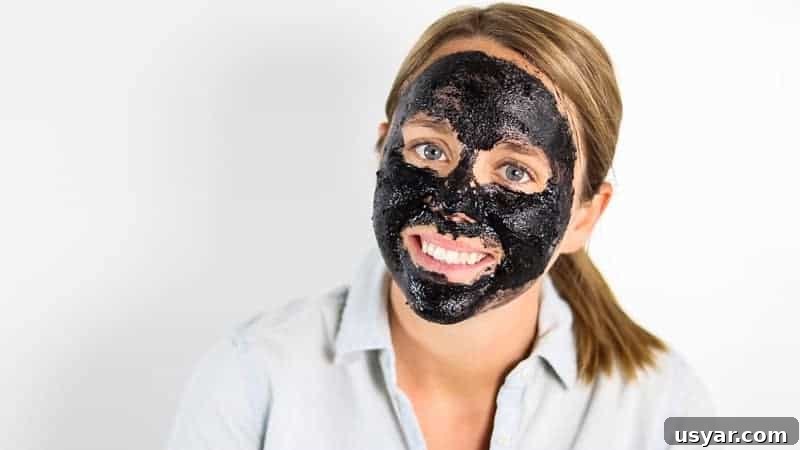
Tips for using homemade face masks
- Always test the mask on a small patch of skin before applying it to your face.
- For your first use, apply a smaller amount and leave it on for less time to check how your skin responds.
- This recipe is intended for one-time use only. Do not store leftover mask for later.
- Keep the mask away from eyebrows, eyelashes, and the hairline because it can pull out hair as it peels.
- If the mask gets into your hair, soften it with warm water and rinse it away. Do not peel it off hair.
- If peeling causes discomfort, remove the mask with warm water instead.
- Use the mask only on areas prone to blackheads if you do not want to apply it to your whole face.
- Avoid using this mask on broken, irritated, sunburned, or freshly exfoliated skin.
DIY peel-off mask without glue
This recipe uses gelatin instead of glue to create the peel-off effect. Gelatin helps the mask firm up as it dries, making it possible to lift the mask away from the skin. For best results, use plain, unflavored gelatin and mix it well with hot water before applying.
How often should I use a charcoal face mask?
A charcoal peel-off mask should not be used too often. Once a week is usually enough for most skin types. If your skin is sensitive, dry, or easily irritated, use it less frequently, such as every other week or once a month.
Can charcoal clear blackheads?
Activated charcoal is commonly used in beauty products because it helps absorb oil and buildup from the skin’s surface. When used in a face mask, it may help improve the appearance of clogged pores and blackheads. Results can vary depending on skin type, skincare routine, and how often blackheads form.
Can I use a peel-off mask on pimples?
If you have pimples or active breakouts, use caution with peel-off masks. Apply the mask gently and consider rinsing it off with warm water instead of peeling it away. Pulling at inflamed skin can cause discomfort and may make irritation worse.
Is it normal for my skin to be red after using a face mask?
Mild redness can happen after using a peel-off face mask because the mask grips the skin as it is removed. The redness should not burn, sting, or last for a long time. If your skin feels uncomfortable, rinse with cool water and apply a gentle moisturizer.
Always do a patch test before applying any homemade face mask to your entire face. If irritation occurs, do not use the mask again.
DIY Charcoal Peel-Off Mask
Equipment
-
Glass bowl
-
Wooden spoon or wooden applicator
Ingredients
- 1 teaspoon activated charcoal
- 1/2 teaspoon bentonite clay
- 1 tablespoon unflavored gelatin
- 2 tablespoons water
- 3-5 drops lavender essential oil, optional
Instructions
-
Add the activated charcoal, bentonite clay, and gelatin to a glass bowl.
-
Bring the water to a boil and carefully pour it over the dry ingredients.
-
Stir with a wooden spoon until the mixture becomes a smooth paste.
-
Add lavender essential oil, if using, and stir again.
-
Let the mask cool before applying it to the skin.
How to Use
-
Apply the mask to clean, dry skin.
-
Use a small makeup brush to spread a thin, even layer over the face, avoiding the eyes, eyebrows, eyelashes, lips, and hairline.
-
Allow the mask to dry completely.
-
Peel off gently in small sections, or rinse with warm water if peeling feels uncomfortable.
Notes
- Patch test before using the mask on your face.
- Do not store leftovers; this recipe is for one-time use.
- Keep the mask away from hair, brows, and lashes.
- Remove with warm water if peeling causes discomfort.
- Use only on blackhead-prone areas if preferred.
This recipe is for personal use and is not intended to diagnose, treat, or cure any skin condition. Always research ingredients and test carefully before using homemade skincare products.