Today, Jenna is back to offer encouragement for any parent who wants to teach kids to cook but feels unsure about where to begin. (Here she shares why she taught her kids to cook.) If you worry that having children in the kitchen will slow everything down, create extra mess, or make dinner more stressful, you are definitely not alone.
Jenna’s message is simple: don’t wait until everything feels perfect. Start small, invite your kids into the kitchen, and let them build real cooking skills one step at a time.
Here’s Jenna:
Can’t see the video? Watch Jenna’s video here on YouTube!
Nervous About Kids in Your Kitchen?
Where do you start when teaching kids to cook? It can feel overwhelming at first.
Many parents imagine that bringing children into the kitchen will make meal prep longer, louder, messier, and more frustrating. When you already need to get food on the table, it is easy to think, “I’ll teach them another day.” Jenna understands that feeling completely.
But once you begin, the experience can be very different from what you expect. The first steps may take extra time, especially if your family is moving away from processed foods and learning how to cook more real food at home. That transition does require a little patience. You may spend more time chopping, measuring, explaining, and supervising.
However, the benefits of teaching kids to cook can show up quickly. Children gain confidence, learn practical kitchen vocabulary, and begin to understand how meals come together. Instead of cooking feeling like one more job you have to do alone, it can become a shared family routine.
If you feel hesitant or keep thinking, “This is too hard,” “I don’t know where to start,” or “My kids are too young,” Jenna recommends beginning with a structured cooking class such as Kids Cook Real Food™. A clear plan makes the process much easier because the lessons are broken into manageable steps. You can teach one skill at a time without feeling like you have to cover everything in a single day.
When you are ready to begin, having a plan helps you know exactly what to do next.
Benefits of Teaching Your Kids to Cook with Kids Cook Real Food™
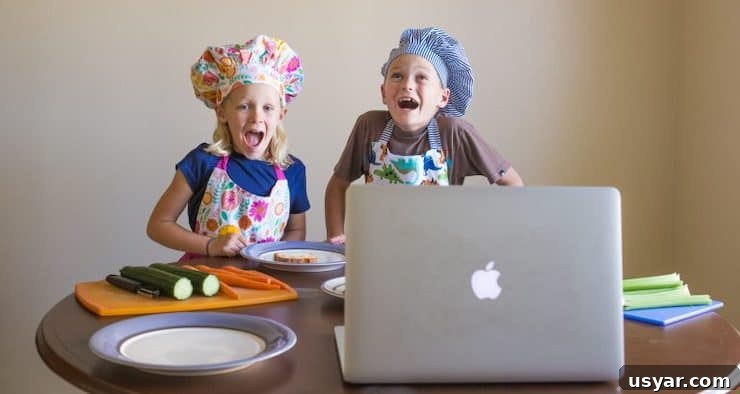
One of the most helpful parts of Kids Cook Real Food™ is the language it gives children for real kitchen skills. Kids may understand what measuring cups and spoons look like, but they may not yet have the words to describe them accurately.
Jenna noticed this with her own children. They could recognize different measuring tools, but the cooking lessons helped them connect those tools with proper vocabulary and practical use.
Her five-year-old and three-year-old daughter came up with their own way to remember measuring cups and spoons by calling them dad, mom, kid, and baby. They even created another member of the measuring family for the 1/8 teaspoon, calling it the newborn baby.
That kind of playful connection matters. When children understand the tools, the words, and the actions, cooking becomes less intimidating. They are not just watching an adult prepare food; they are learning how to participate with confidence.
Want to learn how even the tiniest kids can contribute to the family?
Check out our Preschool Mini-Course, which teaches skills like pouring, measuring, and setting the table. Preschoolers can learn actual helpful skills, and that confidence can encourage them to keep learning more.
Get the Preschool Mini-Course
When’s the Best Time to Teach Your Kids to Cook?
Jenna prefers doing Kids Cook Real Food™ on the weekends because the family can treat it as a relaxed activity rather than one more task squeezed into a busy weekday.
One helpful tip from Katie is to schedule a cooking lesson right before a meal you already plan to eat. That way, the practice has a purpose, and the food the children prepare becomes part of lunch or dinner.
Jenna’s family chooses either lunch or dinner based on the skill or recipe in the lesson. The kids know they are helping make the meal for that day, which gives the lesson a clear goal.
This approach also helps parents avoid feeling like cooking practice is creating extra work. Instead of making something separate just for a lesson, the family uses the time to prepare food they were already going to eat.
Teaching Your Kids to Cook with Multiple Ages
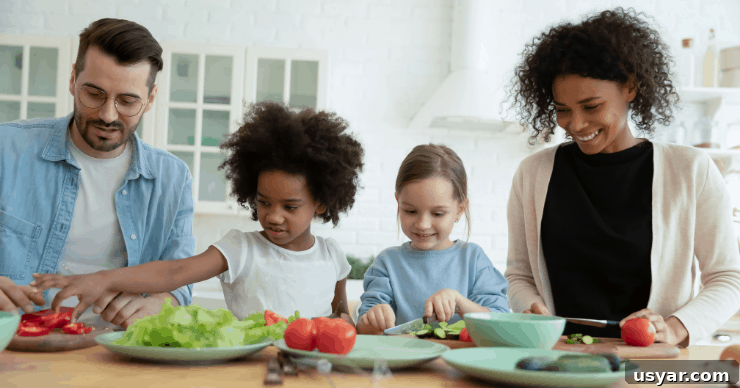
Teaching several children at different ages can sound complicated, but Jenna has found it manageable because Kids Cook Real Food™ is organized in a simple way. She has two children working at the beginner level and two children working at the intermediate level.
The videos are short enough that her family can watch the lessons back to back and then move into the kitchen together. The length works well for kids, and it keeps the momentum going from watching to doing.
Another tip from Katie that has helped Jenna is to divide the workspace by age and height. The younger children work at the kitchen table, while the older children use the kitchen island. This gives everyone enough room to participate without crowding the same small space.
From start to finish, including watching the videos, getting set up in the kitchen, and making the food, the process takes about an hour for Jenna’s family. They simply plan the lesson for about an hour before they want to eat.
Kids don’t need plastic knives. They need real skills.
Teach safe technique, focus, and confidence in a favorite lesson from our kids cooking class for ages 2-12.
Or find out more about the free knife class here.
Get Started Teaching Your Kids to Cook!
If you have been waiting for the perfect time to bring your children into the kitchen, Jenna’s encouragement is to begin now. Start with one lesson, one skill, or one meal. Teaching kids to cook is worth the effort.
Jenna has seen real changes in her own home. She has watched her kids’ palates grow and change in positive ways. They are more comfortable with fresh fruits and vegetables, and they regularly eat foods like soups, salads, and salmon.
They now enjoy many foods Jenna says she never touched as a child. Even better, those foods have become a normal part of their meals, not something unusual or forced.
When kids learn to cook, they gain more than recipes. They learn independence, patience, teamwork, and confidence around real food. They begin to understand what goes into a meal and how they can contribute to the family. For many parents, that shift makes the extra time in the kitchen feel much more worthwhile.
YES! TEACH MY KIDS TO COOK!