
PFAS chemicals have been in the headlines a lot recently. In mid-2022 the EPA tightened guidance on safe levels for several PFAS compounds, highlighting that even very small amounts can be harmful. Researchers have detected PFAS in rain — in some places reaching levels above those safety benchmarks, including remote regions. And scientists have announced promising early methods that may break down these persistent chemicals.
Public attention stepped up further when the National Academies recommended that public health agencies consider offering PFAS blood testing to people with potential higher exposures. The goal is twofold: help individuals monitor and manage their health, and gather data that can inform stronger public protections and regulation.
If you’re wondering whether you or your household should test for PFAS — in water or in blood — this article explains who may benefit from testing and summarizes the most accessible at-home options available today.
This article includes product recommendations. We highlight reputable consumer options but do not link to external retailers in this version.
A Quick PFAS Primer
PFAS stands for per- and polyfluoroalkyl substances, a large class of synthetic chemicals used for their water- and grease-resistant properties. Scientists have identified thousands of PFAS variants; when people say “PFAS” they are usually referring to the entire family of related compounds.
Some of the most studied members of this class are PFOA and PFOS. Other names you may encounter include GenX, PFNA, PFHxS and related trade names. PFAS are often called “forever chemicals” because they persist in the environment and in the human body, accumulating over time.
These chemicals are found in many everyday products, such as non-stick cookware, grease-resistant food packaging, water- and stain-resistant textiles, outdoor gear, and certain manufacturing processes. Because of widespread use and industrial releases, PFAS can contaminate drinking water, soil, and food chains.
Research links PFAS exposure with a range of health effects including increased cancer risk, elevated cholesterol, higher blood pressure, thyroid disruption, some autoimmune conditions, and immune system effects. Public health agencies continue to update guidance as new studies emerge.
Who Should Test For PFAS?
Because PFAS are widespread, almost anyone can benefit from knowing more about exposure. That said, some groups are at higher risk and should particularly consider testing:
- People who work or have worked in manufacturing or industrial settings that use fluorinated compounds
- Firefighters or others with known exposure to PFAS-containing firefighting foams
- Workers in industries that frequently handle PFAS-containing products, such as carpet installation or ski-shop staff
- People who live on or near military bases or known PFAS contamination sites
- Residents near sites with documented PFAS pollution
- People with chronic health conditions like cancer, autoimmune illness or thyroid disease
- Pregnant people and those planning pregnancy
- Individuals who regularly consume fast food or takeout, which can be a source of PFAS through packaging
At-home test kits now make it easier for anyone who is curious or concerned to check their water or blood for PFAS markers.
The Best At-Home PFAS Test Kit for Water: Tap Score
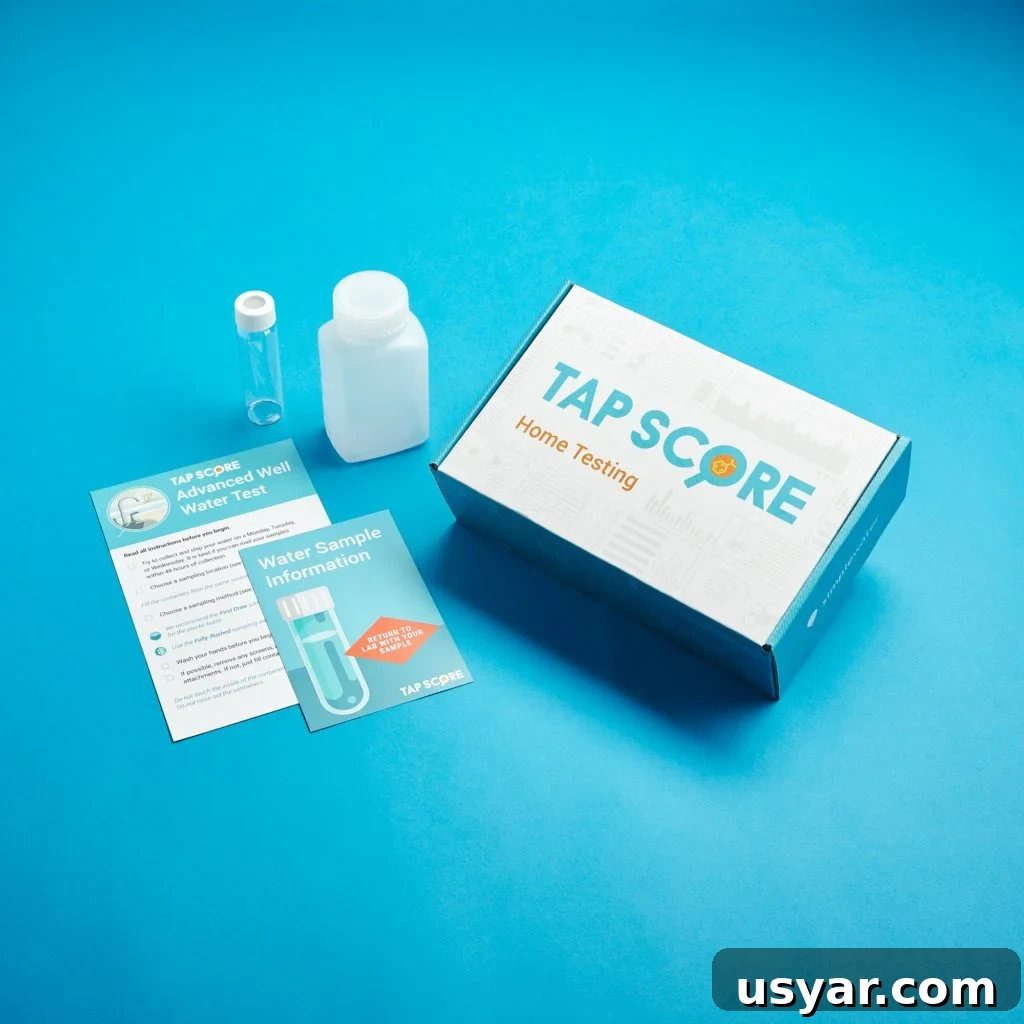
Tap Score is one of the early consumer-focused water testing companies offering extensive contaminant analysis. They provide specific PFAS water test kits that vary by scope:
- A kit that tests for a selection of the most common PFAS compounds (covers main legacy chemicals like PFOA and PFOS).
- A more comprehensive PFAS kit that includes additional emerging PFAS variants such as GenX and others.
The typical process is straightforward: you receive a kit, collect water samples at home following instructions, return the samples to the lab, and receive a detailed report showing detected contaminants and concentrations. Turnaround times and shipping policies vary by provider, and many companies offer satisfaction guarantees or customer support to help interpret results.
If you want to test for other drinking water contaminants alongside PFAS, look for companies that offer bundled or specialized tests for heavy metals, pesticides, microbial contaminants, and microplastics.
The Best At-Home PFAS Test Kit for Blood: empowerDX
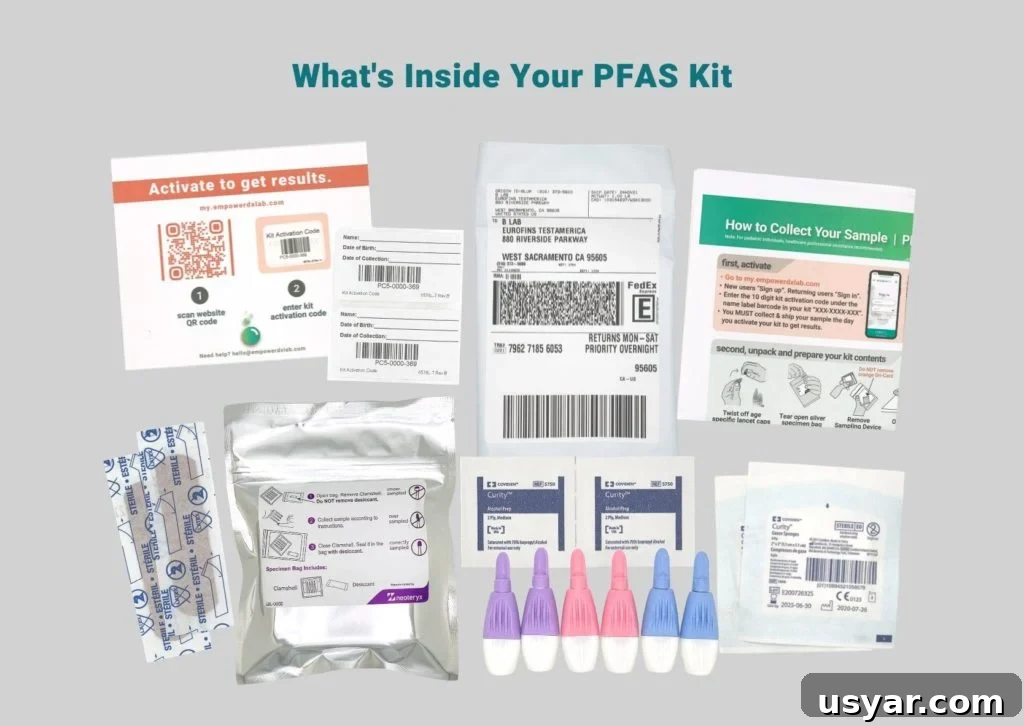
For those who want to measure PFAS directly in the body, at-home blood-based options are available from clinical test providers. One widely used option offers a PFAS panel that screens for multiple legacy and newer PFAS compounds using a finger-prick blood sample.
With an at-home blood test kit you typically collect a small dried blood spot or finger-prick sample, mail it to the testing laboratory, and receive physician-reviewed results within a few weeks. Current PFAS blood tests are primarily intended for research and educational use and are not diagnostic of a specific disease. Still, they can provide valuable information for you and your healthcare provider when monitoring health risks or exposures.
Check whether a provider’s PFAS panel covers the compounds you’re most concerned about, and whether the kit is eligible for HSA/FSA purchase if you plan to use those funds.
What To Do After You Get Results
Discovering elevated PFAS in water or blood can be unsettling. Because PFAS tend to persist in the body, there is no quick detox. Reported half-lives for many PFAS range from several years and vary by compound, which means levels decline slowly and will only drop faster if new exposures are minimized.
Here are practical steps to take if you find elevated PFAS:
1. Focus on what you can control
Stress over chemical exposure can be harmful itself. Prioritize realistic, manageable actions and aim for steady progress rather than perfection.
2. Reduce ongoing exposures
- Filter drinking water — technologies like reverse osmosis and activated carbon can lower PFAS concentrations in tap water.
- Avoid water- and stain-resistant fabrics and coated cookware that may contain PFAS; opt for alternatives such as cast iron or stainless steel for cooking when possible.
- Limit meals from packaging likely to contain PFAS (heavy takeout and fast-food consumption can be a source).
Reducing exposure to other environmental toxins also helps lower overall toxic burden — choose fragrance-free products, limit plastic contact with fatty foods, prefer organic produce when practical, and reduce indoor pollutants like cigarette smoke and mold.
3. Monitor your health with a healthcare provider
Share your results with a physician who will listen and can help track relevant health markers over time. Early monitoring for conditions associated with PFAS exposure (cholesterol, blood pressure, thyroid function, etc.) can allow timely intervention when needed. If a provider dismisses your concerns without discussion, consider seeking a clinician experienced in environmental health.
4. Advocate for stronger protections
Long-term reduction of PFAS exposure requires policy change and corporate accountability. Contact elected officials and encourage robust testing, regulation, and remediation of contaminated sites. Ask manufacturers and retailers about PFAS phase-out plans for products you buy.
Want to Learn More?
If you’d like more guidance on reducing PFAS in your home, consider educational resources such as courses and masterclasses focused on practical steps for avoiding common sources, recognizing greenwashing, and building a personal action plan to reduce exposure.
Subscribe to trusted newsletters or follow reputable public health pages for updates on PFAS research, testing options, and regulatory changes.