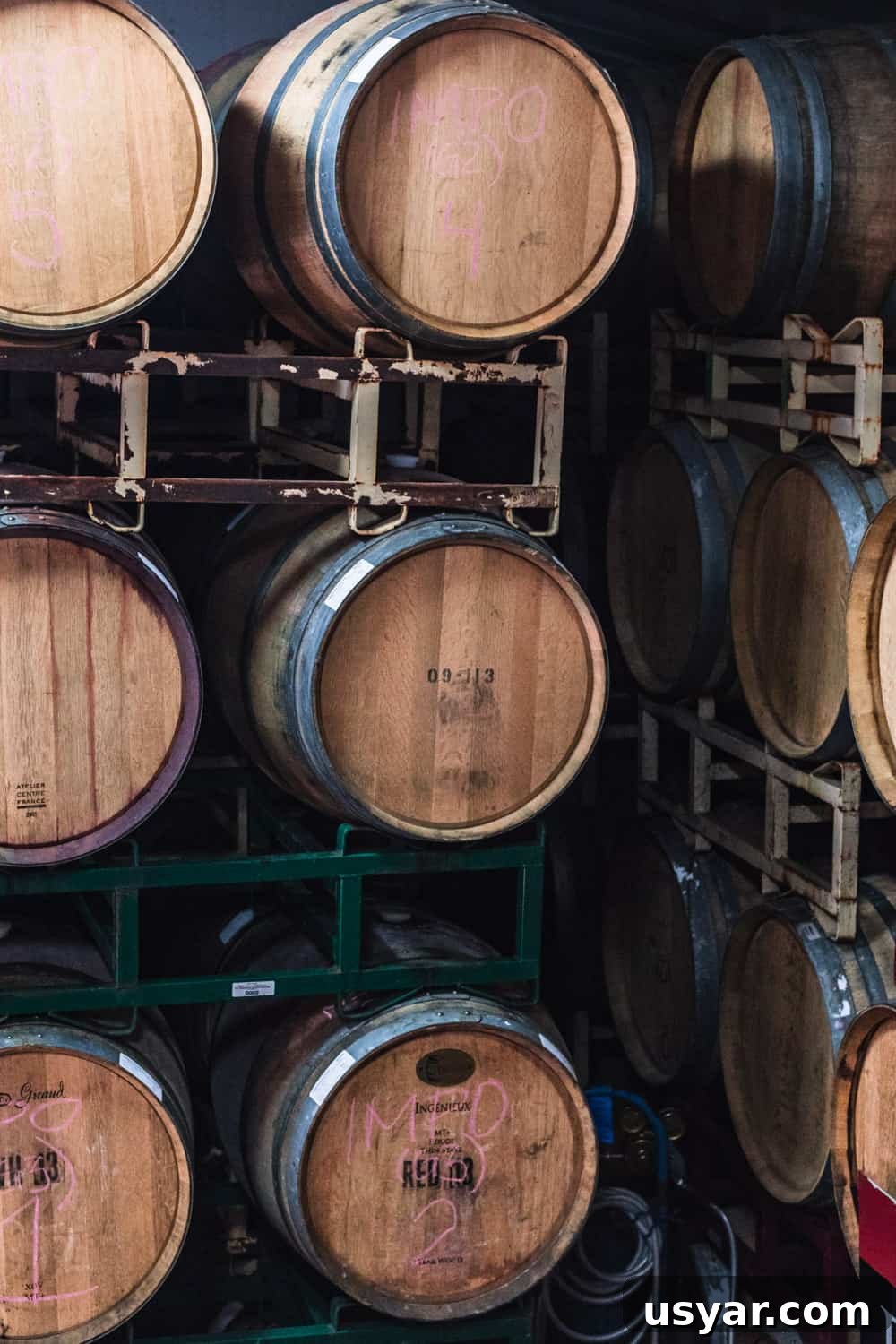
Davero is a certified biodynamic family farm in Dry Creek Valley, known for producing small lots of expressive Italian natural wines, award-winning olive oil, and a beautiful variety of farm-grown goods. It is the kind of place where wine, food, soil, animals, and hospitality all feel deeply connected.
I first walked into Davero for a solo wine tasting in the fall of 2017. By the time I left, I had become a proud member and a devoted fan. In true Davero style, the team made me feel welcome from the moment I arrived. It was the first winery I ever joined, and I have returned to their magical property many times since then, both for tastings and for their lively pickup parties.
The photos in this post were taken during their winter 2019 pickup party. I plan to continue updating this article with more images from Davero throughout the seasons.
The Davero Philosophy
“Grow what belongs here. Be patient.”
This simple philosophy captures Davero’s relationship with the land. It shapes how they farm, what they choose to plant, how they care for the soil, and how they make their wine. Rather than forcing the land to produce something unnatural, Davero focuses on crops and grape varieties that are well suited to the Dry Creek Valley climate.
The Davero Mission
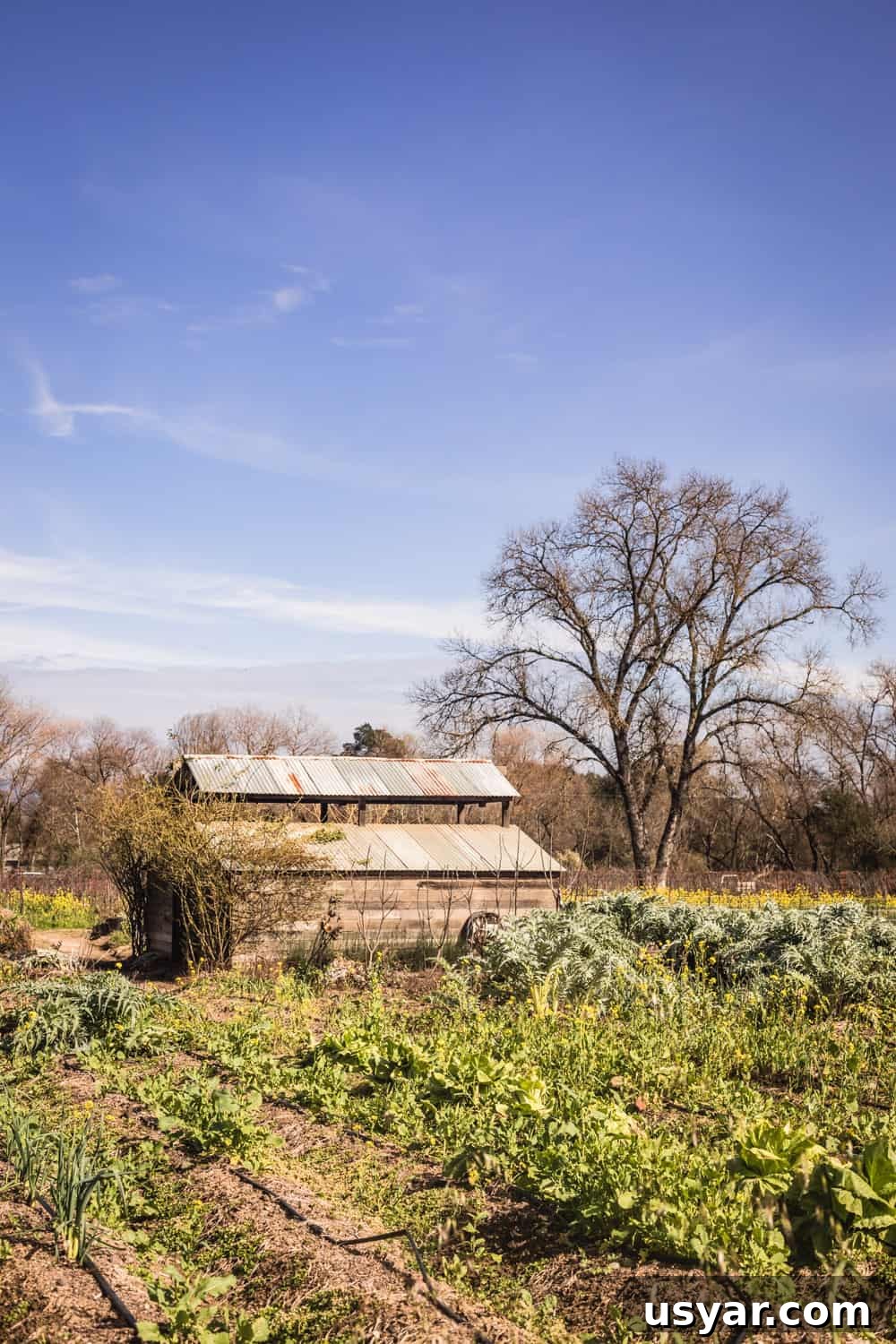
Davero’s mission is to discover and share the very best wine and olive oil that can be made sustainably from their land. That mission is rooted in patience, observation, and respect for the farm as a living place.
The Davero team is committed to building a multi-generation farm-based business that is economically, agriculturally, and environmentally sustainable.
A Brief Davero History
Ridgely Evers began the Davero story after purchasing the home farm, located across the street from the current visitor location, in 1982. He lived on the land, and in 1990 he imported olive trees from Tuscany, planted them, and waited. Those trees became the foundation for Davero’s internationally acclaimed olive oil, which also happens to be one of my personal favorites.
Colleen McGlynn joined the story in 1993 and helped transform the land into the diverse biodynamic farm it is today. Ridgely and Colleen are co-owners of Davero.
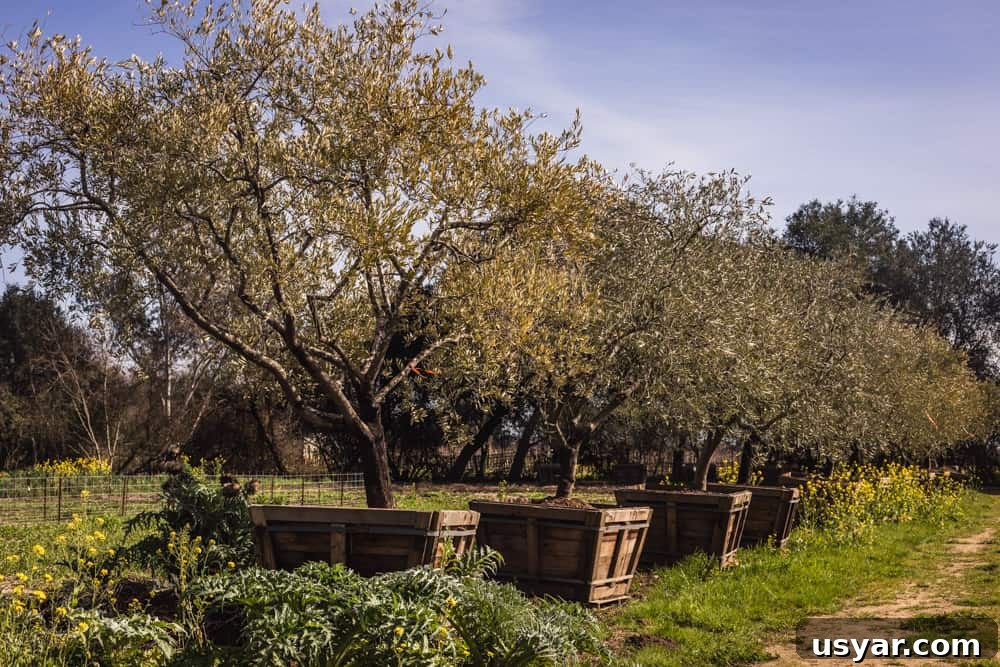
In 2000, they planted their first small vineyard of Sangiovese, followed by Sagrantino. After waiting once again, the results encouraged them to continue exploring Italian grape varieties. Their wine journey grew from there, guided by the same patient and climate-conscious approach that shaped their olive oil.
In 2008, Ridgely and Colleen purchased a second property. Along the way, they embraced biodynamic farming practices. Today, the farm supports not only vineyards and olive groves, but also fruit trees, citrus, lavender, produce, bees, chickens, pigs, and sheep.
Davero Wines: Italian (not French)
Northern California sits at a latitude similar to Sicily, with hot, dry summers and cool nights. For Davero, this climate naturally pointed toward Mediterranean grape varieties, especially Italian ones. While many wineries in the region focus on French varietals, Davero chose a different path by growing grapes that belong in a similar climate.
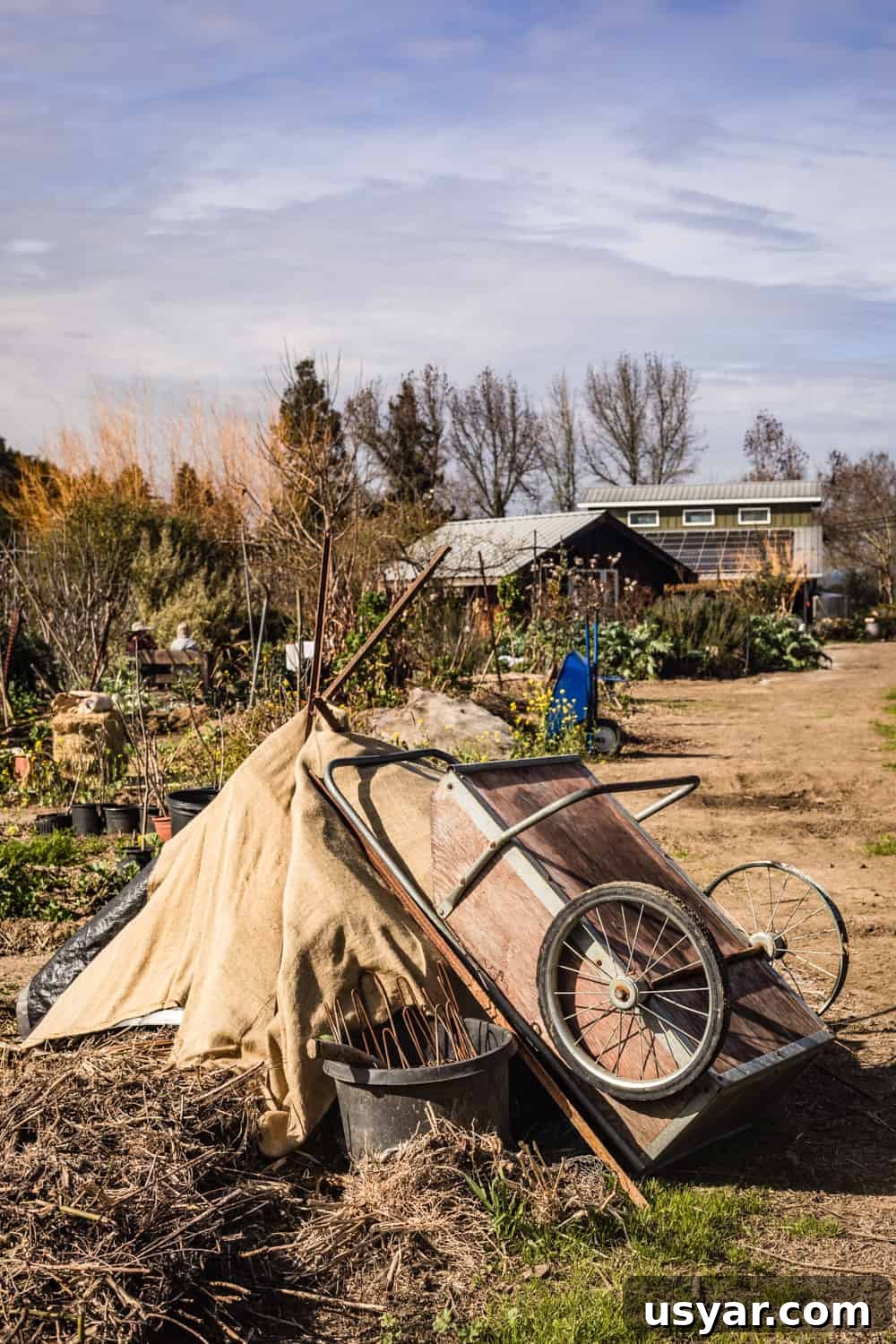
Davero focuses on Mediterranean varietals because they are naturally suited to the land and climate of Dry Creek Valley.
The farm’s Mediterranean climate supports plants from the Mediterranean especially well. These crops are often easier to farm in this environment and can produce more balanced fruit. For Davero, balanced fruit is one of the most important foundations of great natural wine.
Davero Wine Making Practices
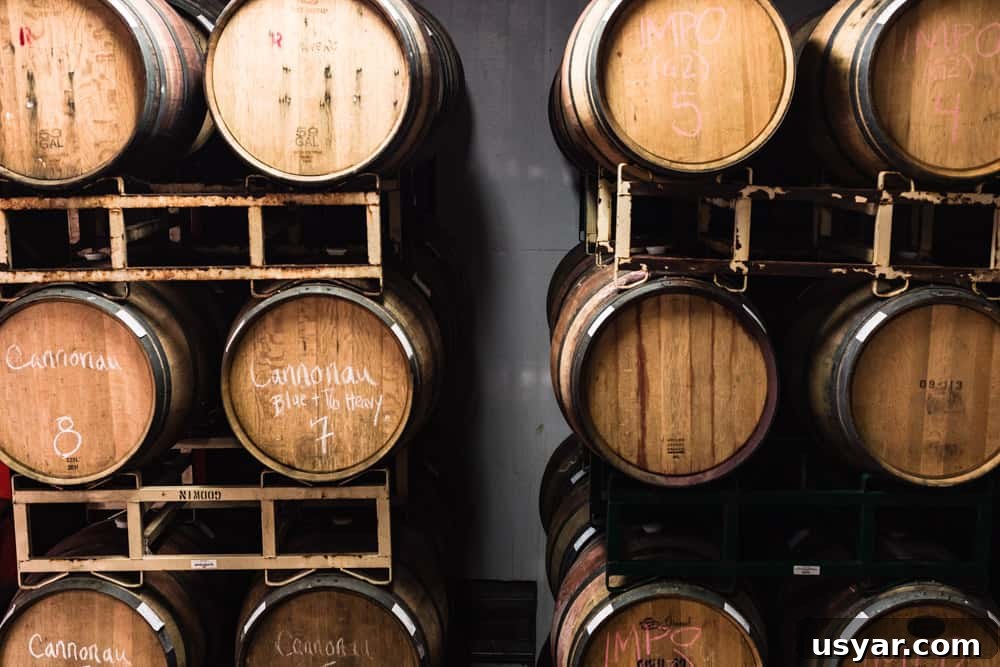
Davero practices natural, Old World winemaking, using native yeast fermentation, neutral oak aging, and patience to reveal the character of each grape variety, vineyard, and vintage.
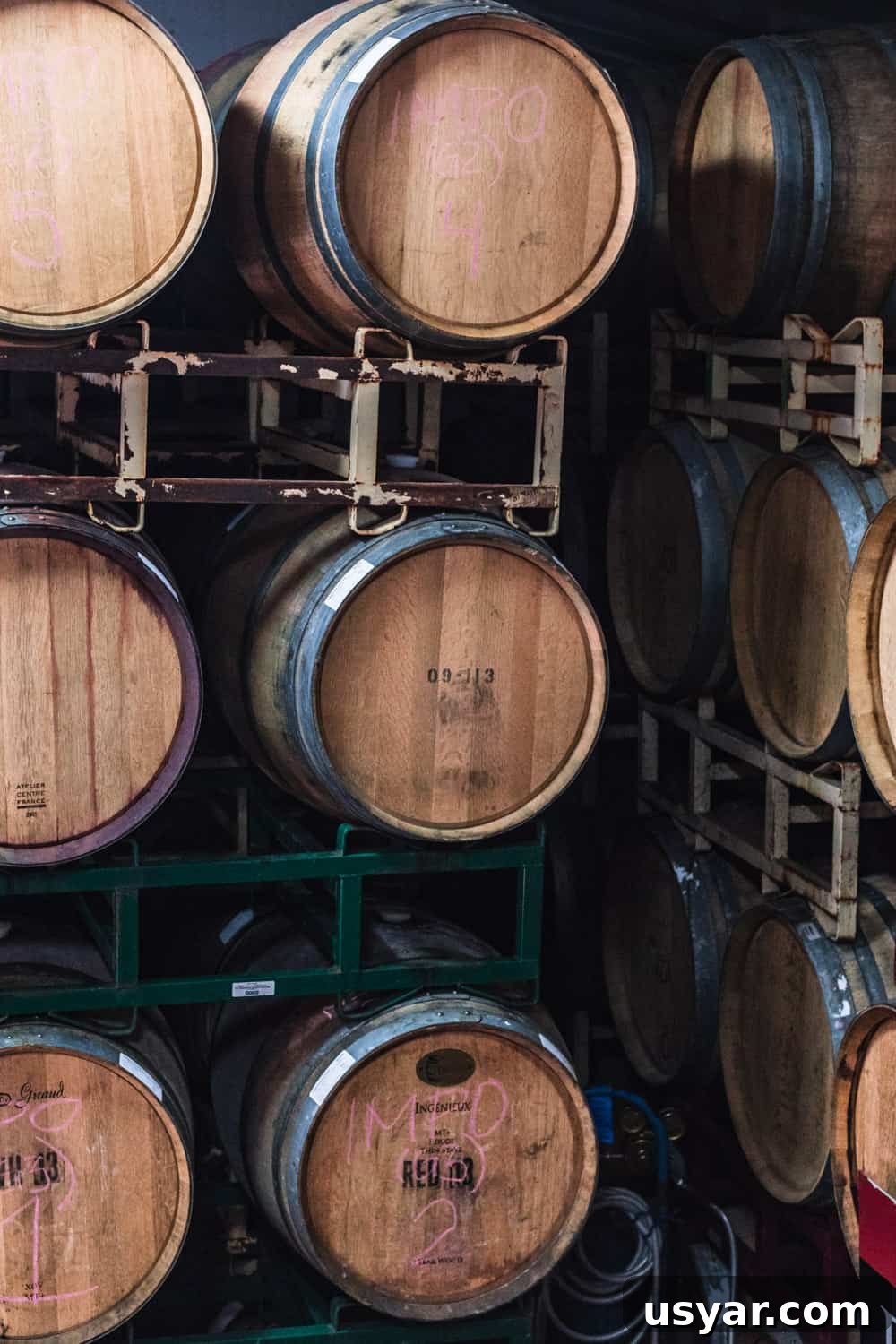
Their wines rest in well-aged, neutral oak barrels. Davero uses this approach because they have found that strong oak tannins can distract from the natural flavor of the wine. Instead of masking the fruit, their winemaking style aims to let the vineyard speak clearly.
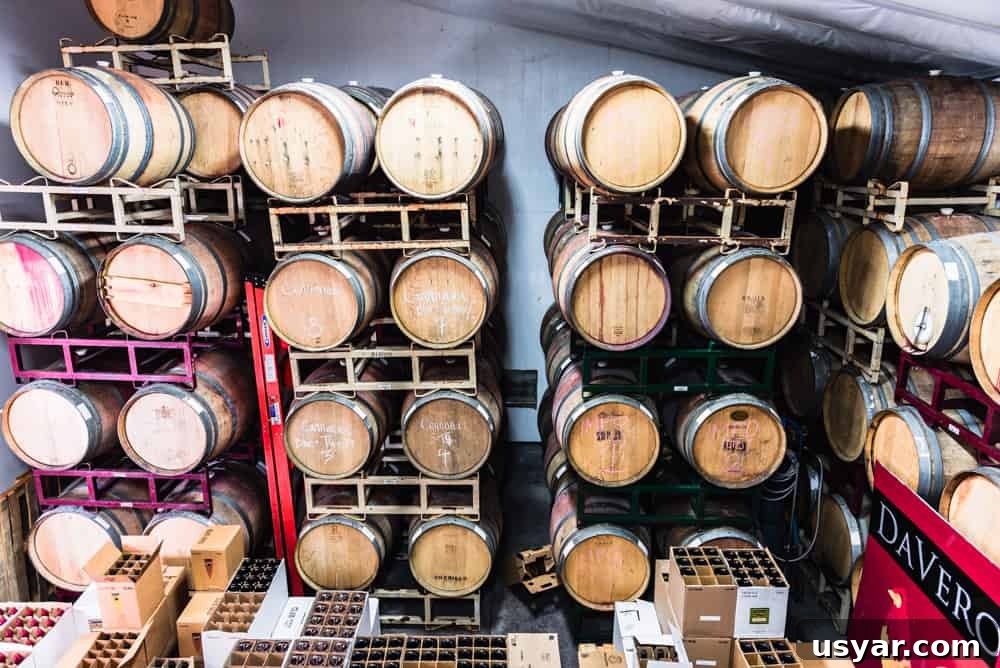
Because their grapes are grown with balance in mind, Davero can rely on traditional winemaking techniques. They harvest by flavor, ferment with the native yeasts found on the grapes, and age the wines in neutral oak. The result is a collection of Italian-inspired natural wines that reflect the unique qualities of the vineyard and the growing season.
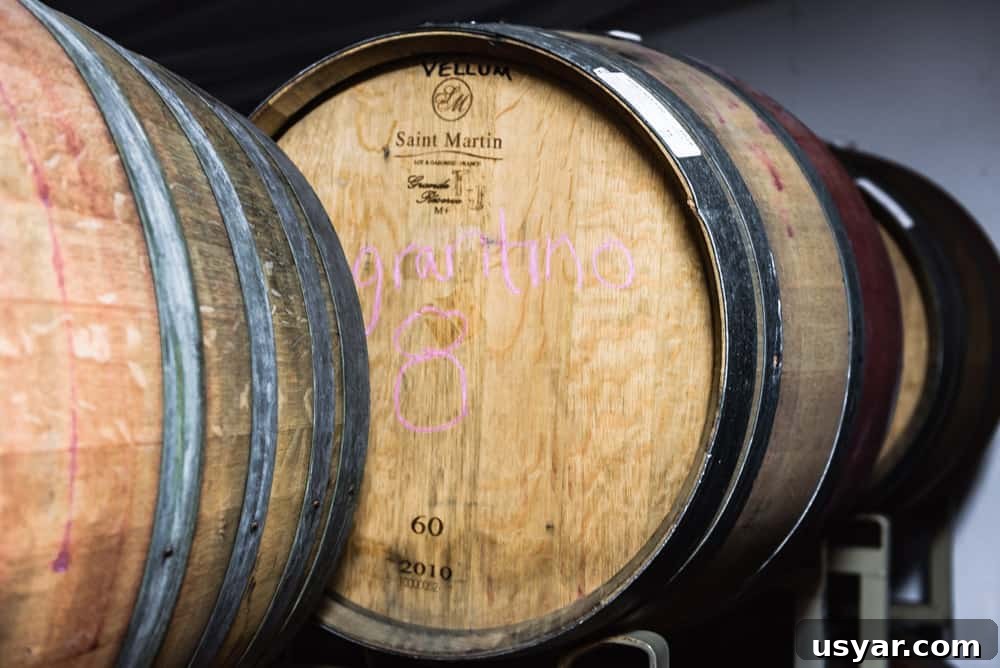
Each bottle is intended to express variety, place, and vintage without unnecessary interference.
Biodynamic Farming – what is it?
Biodynamic farming is a term that gets used often, especially in conversations about natural wine and regenerative agriculture. It can mean different things to different people, but at its core, biodynamic farming views the farm as a complete, interconnected living system.
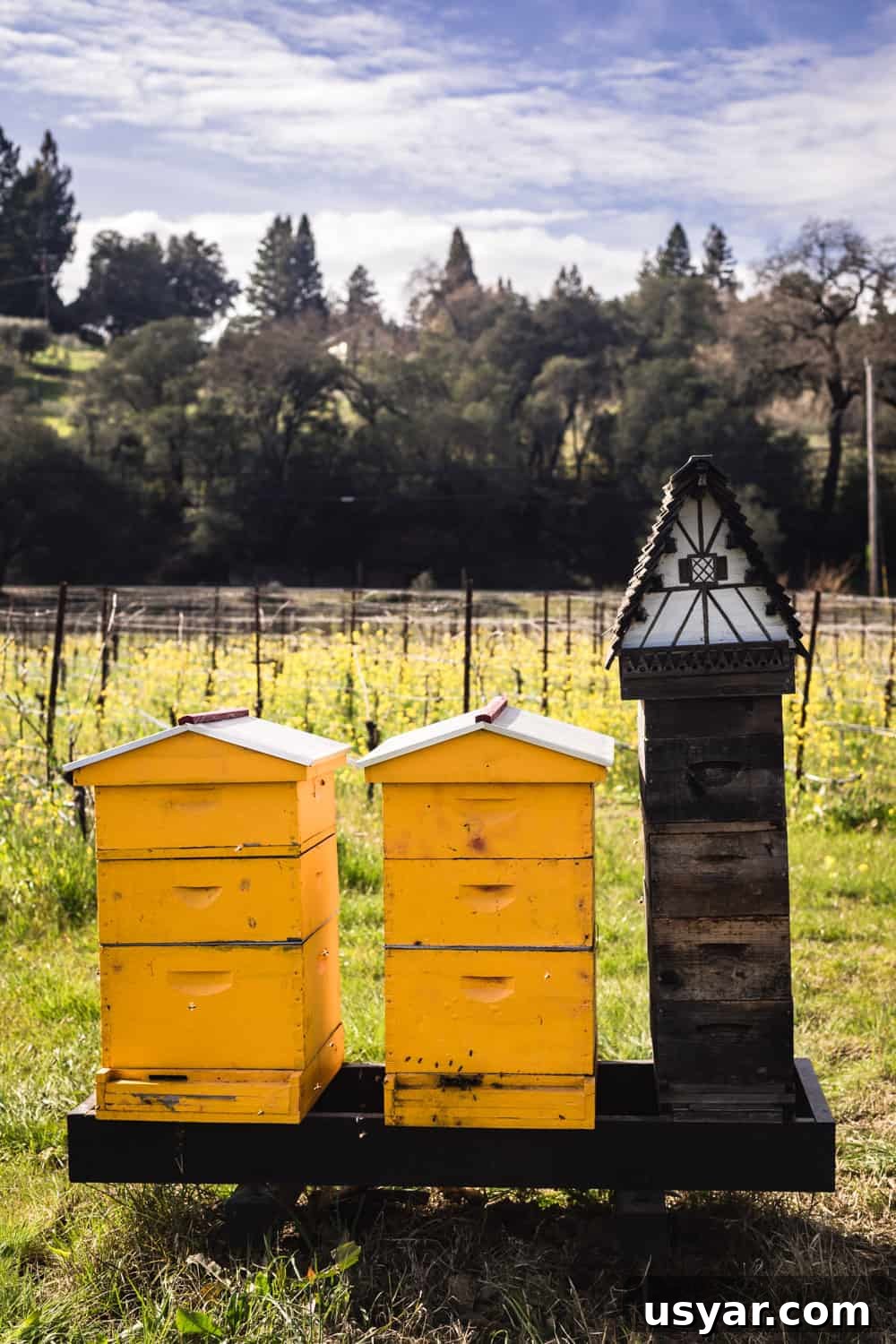
The biodynamic movement began in 1924 with Rudolf Steiner’s teachings about working with the earth and the heavens to farm in harmony with nature. It is based on the idea that soil, plants, animals, and the wider natural world are connected. Biodynamic farming is often described as the original form of organic agriculture, with a strong focus on restoring fertility to depleted soils.
Biodynamic farming is a holistic practice that considers animals, plants, soil, and cosmic rhythms as part of one interconnected system.
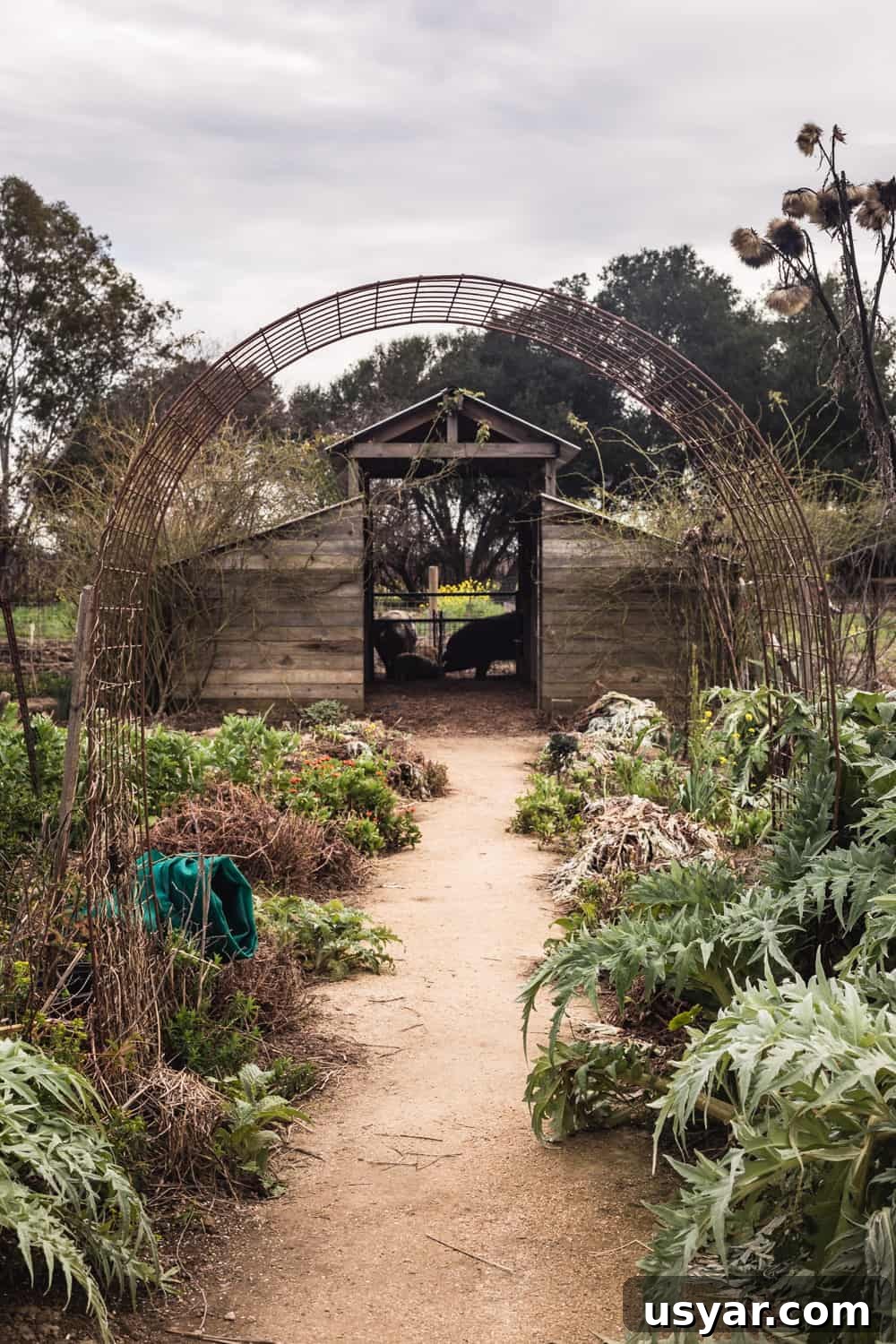
At Davero, biodiversity is central to the health of the farm. The animals, trees, vines, vegetables, bees, and open spaces all contribute to a more balanced agricultural ecosystem. That diversity also supports the quality of the crops grown on the land.
What’s next?
When asked about their vision for the future, the Davero team shared that they want to be a business that is healthy for both the community and the farm, one that does well by doing good. Over the years, they have explored many possibilities and discovered what they feel makes delicious, remarkable wines. As time goes on, they plan to focus even more closely on those strengths.
Their vision feels thoughtful, grounded, and completely aligned with the spirit of the farm.
Go visit!!!
If you want to see pigs, olive groves, vineyards, vegetables, and biodynamic farming in action while tasting delicious natural wines, Davero is a wonderful place to visit in Dry Creek Valley.
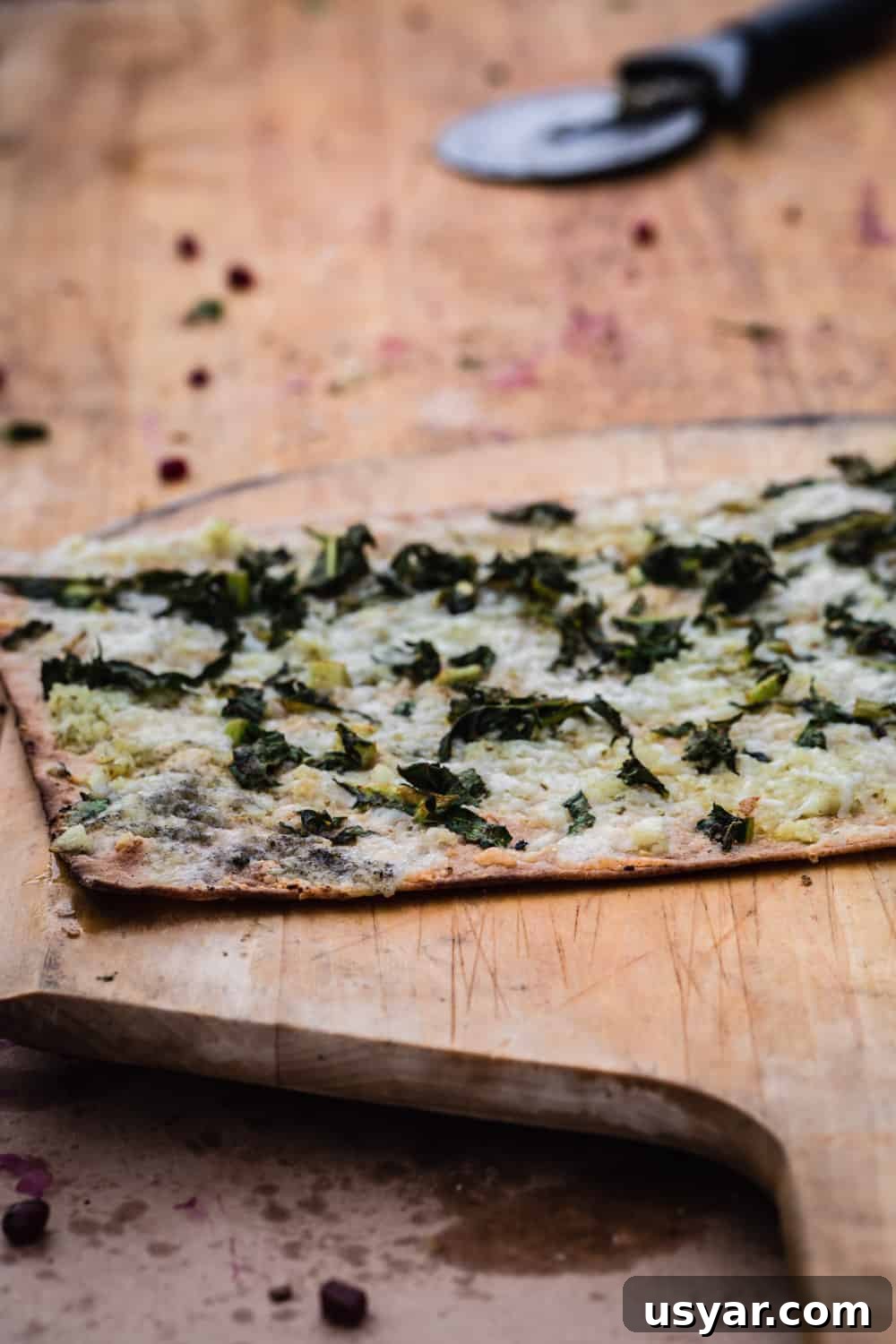
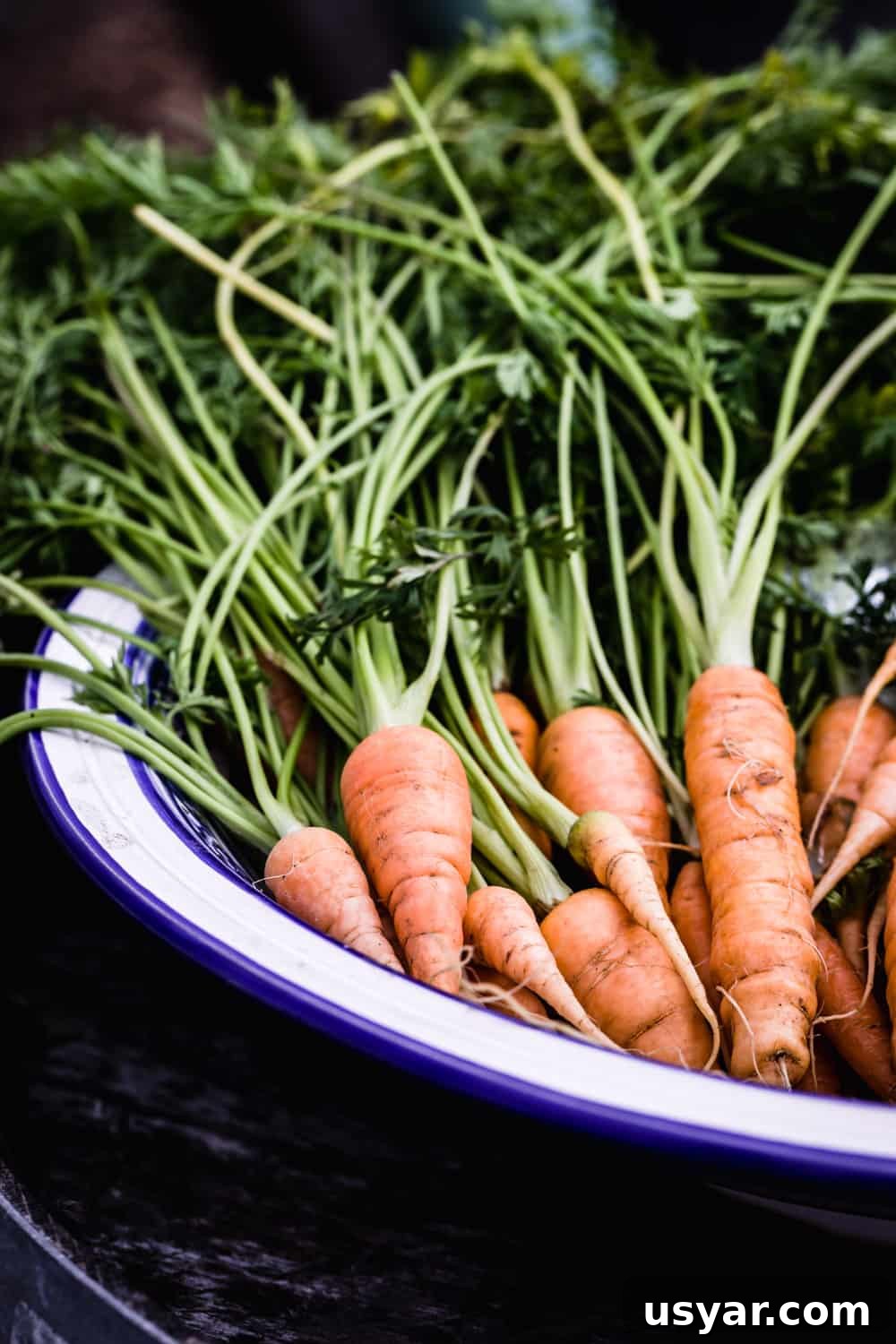
The property has an incredible range of soil and topography, from steep hillsides to valley floor. Each vineyard block has its own distinct terroir and is matched with grape varieties that suit it best. The vineyards are small, thoughtfully planted, and surrounded by open space and woodland.
Go for a tasting, enjoy the wines, take in the olive groves, wander the farm, and say hello to the pigs. Davero is more than a winery; it is a living biodynamic farm with a strong sense of place.
A little behind the scenes action
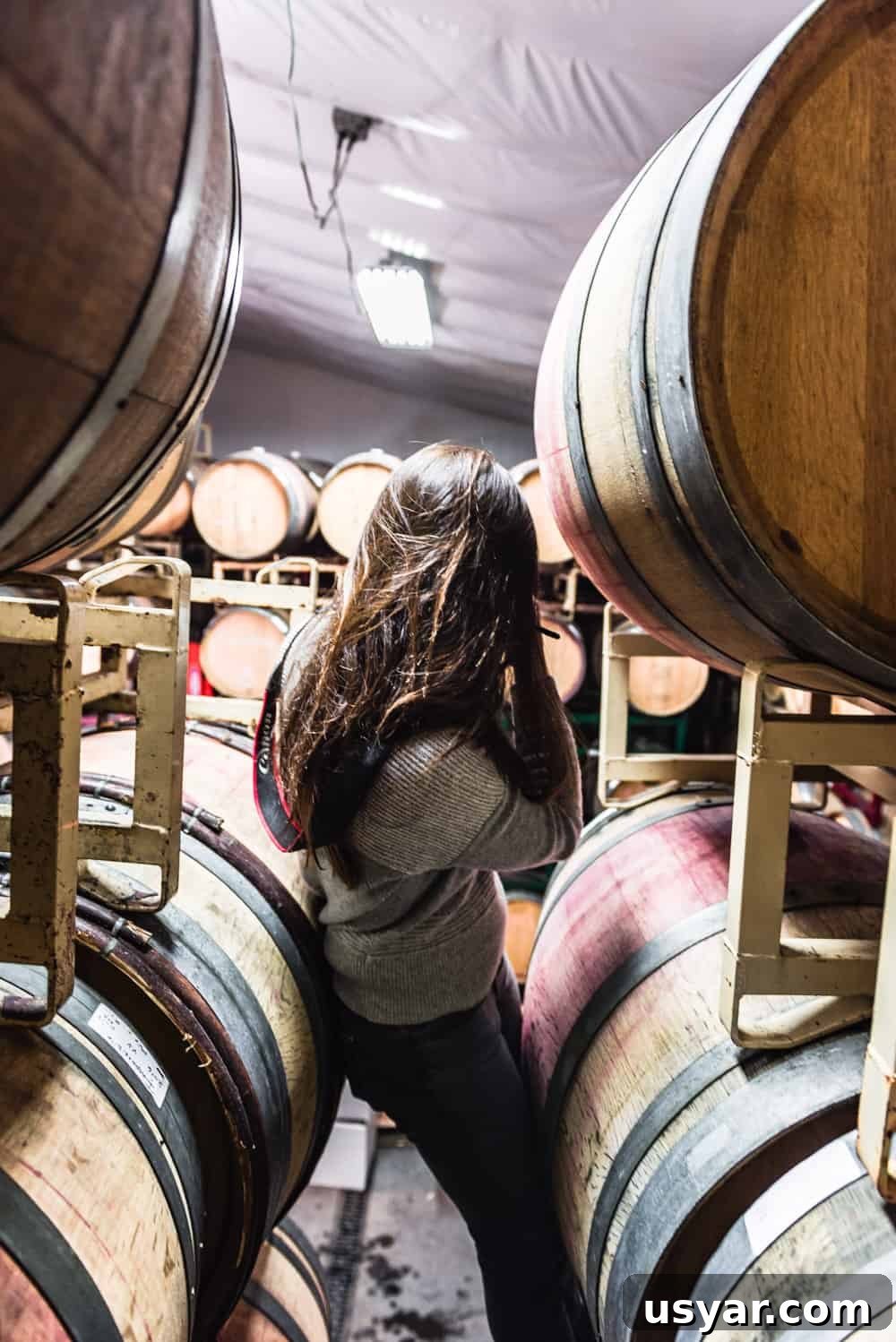
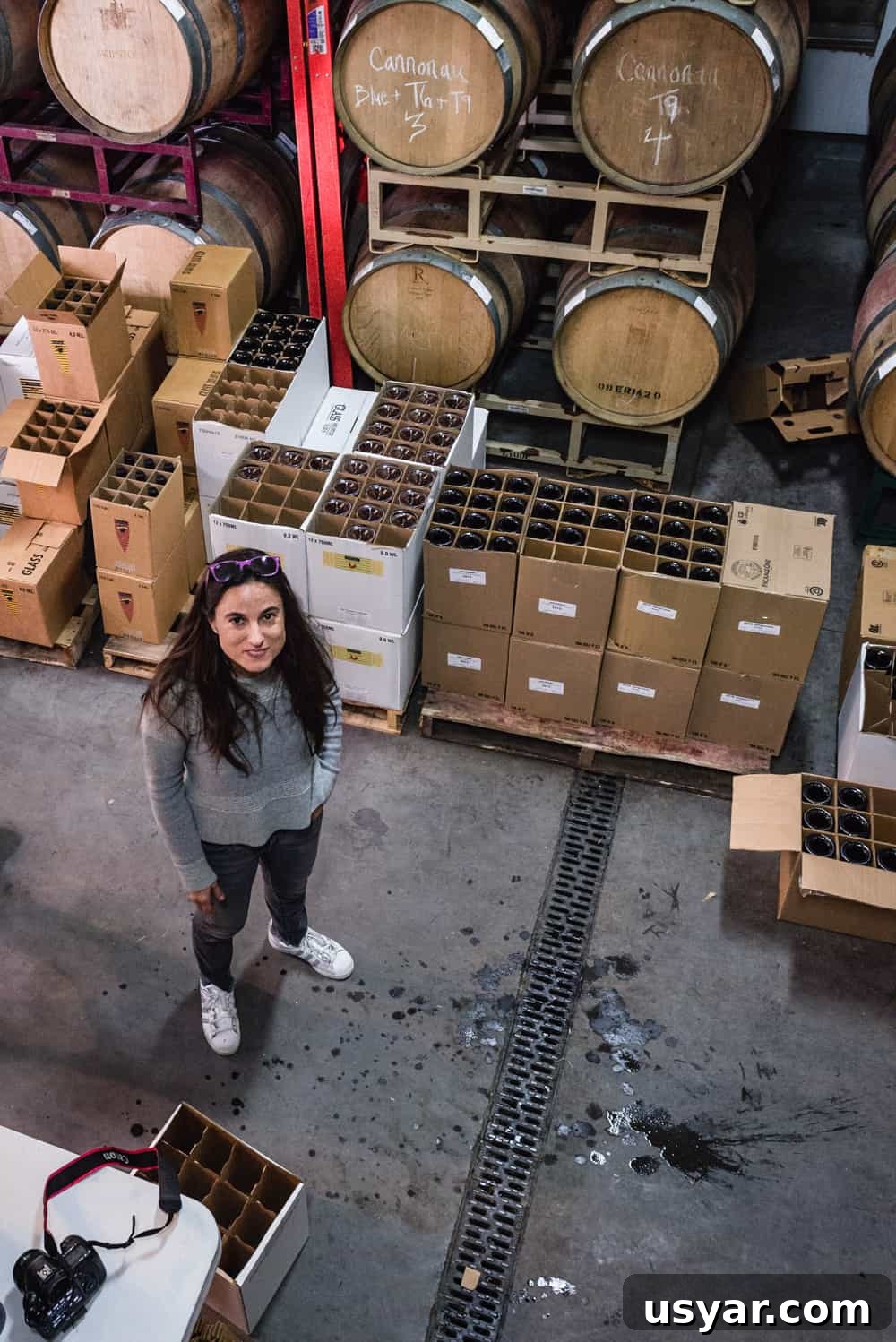
If you enjoyed this post, I would love to hear about it. Leave a comment below, and if you visit Davero in Dry Creek Valley, take a photo and tag it with #wavesinthekitchen so I can see your adventure.
See you drinking wine in wine country!