First trimesters are often full of nausea (mine certainly was). Below I share practical strategies to manage pregnancy nausea along with a first trimester recap from my second pregnancy.
I’ll be sharing some snippets from my second pregnancy on the blog. I’m not a prenatal dietitian—just sharing personal experience. Pregnancy can be a sensitive topic and these posts may be triggering, so please prioritize your own well-being.
The first trimester is simultaneously exciting, exhausting, and often nauseating. I’ll never forget a warm spring day around six or seven weeks when my parents came over to transplant plants. My toddler was napping and I couldn’t even stand up to see what they were doing. I had to sit down and close my eyes because I felt like I might collapse from sheer fatigue.
That kind of overwhelming tiredness and queasiness basically defined my first trimester.
My 1st OB Appointment
We moved to the suburbs after my first birth, so I transferred care to an OB closer to home. I loved my previous team, but the thought of driving an hour or more in rush hour made me anxious at the idea of going into labor on the road.
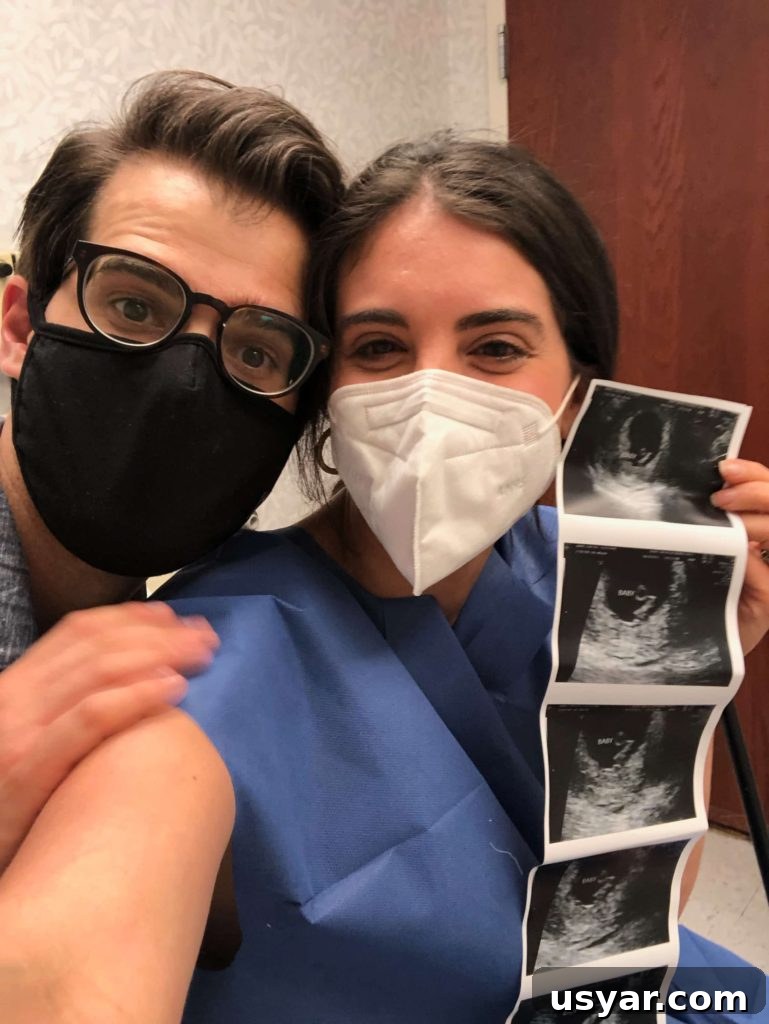
At about seven weeks I had my first appointment. Because my cycles are long and I ovulate late, I couldn’t rely on the date of my last period for accurate dating. During that ultrasound I was amazed—my tiny embryo already looked like a baby and had a strong heartbeat. That moment felt like magic all over again.
Symptoms in my 1st Trimester
Beyond the extreme tiredness, I experienced many common early pregnancy symptoms, especially a persistent queasiness.
- Nausea and occasional vomiting
- Intense fatigue
- Food aversions and cravings
More on how to deal with pregnancy nausea below
I was definitely more nauseous this pregnancy than the first, and I did throw up a few times. Juggling nausea with work and caring for a toddler made the exhaustion worse. My coping strategy became simple: bland carbs, frequent rest and naps, lowering my workload when needed, and early bedtimes. I also relied on TV more than usual to keep my toddler occupied while I rested.
Other early pregnancy symptoms I noticed
- Tender breasts
- Frequent urination
- Food aversions (vegetables and chocolate were often off-limits)
- Salty food cravings
How to Deal With Pregnancy Nausea
Pregnancy nausea can feel relentless. Many people experience it in private, which makes it harder to manage emotionally. For me, the primary aim in the first trimester was simple survival—doing whatever I needed to get through each day until symptoms eased.
From a nutrition and practical perspective, here are approaches that helped me and that commonly help others.
1. Choose a prenatal supplement you can tolerate
A prenatal supplement helps fill nutrient gaps—folate, iron, and other essentials—so you don’t have to force a perfect diet during the roughest weeks. Many prenatals are large or have strong tastes, so pick one that you can actually take consistently. If one brand upsets your stomach, try different formulations or speak with your provider about alternatives.
2. Keep snacks at your bedside
I often woke up nauseous in the night or early morning. Having plain snacks like saltines or pretzels by the bed made a big difference—just a small handful could settle my stomach enough to get up.
3. Eat before you get too hungry
Honoring hunger cues is important, but during the first trimester it helps to eat before your stomach is completely empty. An empty stomach often made my nausea worse and more prolonged.
4. Try small, frequent meals
When nausea is frequent, smaller meals or snack-style plates are usually better tolerated than large meals. Aim to include some protein at most mini-meals because protein needs increase in pregnancy. Simple options like toast with eggs, yogurt with granola, or cottage cheese and fruit worked well for me.
Mini-meal ideas:
- Yogurt with granola
- Toast and eggs
- Baked potato with cheese
- Whole grain pasta with meatballs or a simple sauce
- Lentil or chickpea pasta
- Chicken tenders or fingers
- Cottage cheese and fruit
5. Give yourself permission to eat carbs
Carbohydrates—bread, crackers, plain pasta—are often the most tolerable foods when you’re nauseous. Try to choose whole grains when possible, but allow yourself refined carbs if that’s what helps you feel better. Pairing carbs with a bit of protein or fat can also make them more satisfying.
Nutritious carb swaps to consider:
- Whole grain bread instead of white bread
- Whole wheat, lentil, or chickpea pasta instead of white pasta
- Toast a whole grain tortilla to make chips
- Whole wheat freezer waffles
- Pair carbs with protein like cheese or chicken
6. Prioritize hydration
Staying hydrated is essential, and dehydration can make nausea worse. If plain water is unappealing, add a squeeze of lemon or lime, try diluted juice, or sip iced lemonade if that settles your stomach. If you have a history of blood sugar issues or gestational diabetes, check in with your provider about beverage choices.
7. Be kind to yourself
Hormones drive much of early pregnancy nausea—give yourself grace. Focus on basic needs: rest, hydration, and tolerable nourishment. If you struggle with food anxiety or restrictive eating patterns, working with a registered dietitian can help you build a more flexible relationship with food before or during pregnancy.
XO