
Potty training at 18 months and older can feel challenging. Many parents encounter similar stumbling blocks — the most common being: my child refuses to poop on the potty, and my child seems to regress when we switch to underwear. These issues are very common and usually temporary. When one problem crops up just as things seem to be going well, it can be frustrating, but it’s helpful to remember this is a phase, not a permanent setback.
Take a deep breath: this is normal. Many families go through the same ups and downs. If you’ve used a focused plan or a short intensive training period, it can help to connect with other parents who’ve been there so you don’t feel alone. Reassurance and small adjustments usually solve the problem.
Once any medical concerns have been ruled out, the goal is to encourage your child to use the toilet for bowel movements without fear or hesitation. Below are practical, positive strategies to try when a child will pee on the potty but refuses to poop there.
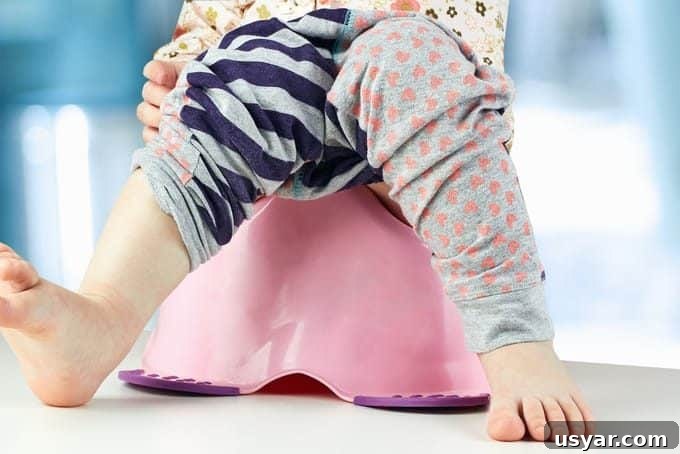
Overcoming Potty Training Hurdles:
1. Teach them to tell you. Make sure your child can communicate when they need to go — with words, a sign, or a simple signal. Consistently prompt them to tell you, and praise any successful attempts. Clear communication reduces accidents and increases confidence.
2. Try a gentle transition using a diaper on the potty. This is a gradual step that some families find useful. Put a diaper in the small potty for a short time, then over a week unfasten one side when they sit. After another week, remove more of the diaper until it’s just a reminder rather than a full barrier. The aim is to move toward the feeling of using the potty while keeping the process low-stress.
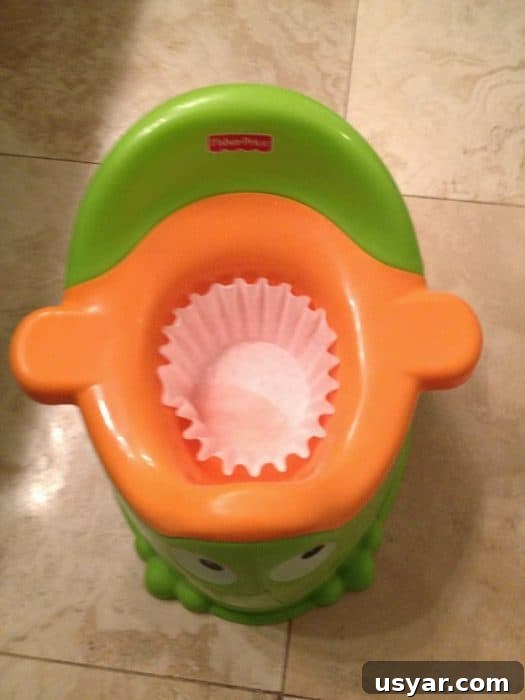
3. Use a coffee filter as a pretend “diaper” for the potty so your child can see how the waste is emptied. This simple visual trick helps demystify where poop goes and makes the process feel safer and more familiar.
4. Talk about cleanliness and comfort. If your child has an accident, calmly explain that wearing wet or soiled underwear is uncomfortable and not sanitary. Use simple language like “yucky” or “wet” to help them understand the difference between clean underwear and an accident, and encourage prompt changes after accidents without shaming.
5. Respect privacy and concentration. Some children need privacy or quiet to relax and have a bowel movement. If your child resists pooping when anyone is in the bathroom, give them space. Let them close the door, sit quietly, and concentrate without pressure — that calm environment can make all the difference.
6. Use songs and playful routines. Singing a brief, cheerful potty song or creating a predictable routine can reduce anxiety. Music and repetition make the experience feel normal and safe. Parents often find that a little ritual — a song, a clap, or a small cheer — helps children relax enough to go.
7. Offer a one-time distraction to help them relax. Placing the potty in front of a short favorite show or video for one or two tries can help children relax and stop overthinking the sensation of going. This is usually a temporary tactic to help them learn the physical process; once they do it once or twice with a relaxed mind, they often continue without the distraction.
8. Use simple tools and stories. A potty-themed coloring book or picture story can make the concept familiar and positive. Talk through each page with your child, reinforcing the idea that everyone learns this and that it’s a normal part of growing up.
If you’re looking for more structured methods or additional tips for potty training children 18 months and up, a short, focused plan or book on potty training can be useful. Small, consistent steps, patience, and reassurance usually lead to success — and most children outgrow these hurdles quickly.