Table of Contents
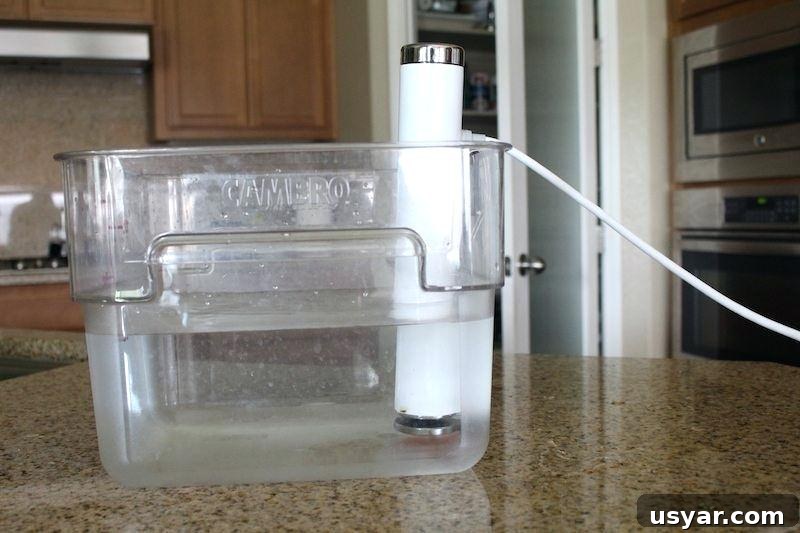
Using a dedicated sous vide container improves convenience and consistency. Standard pots can be too small or too short for large cuts like ribs or roasts, and you may want to use the stovetop while an immersion circulator runs. A proper container makes it easier to fully submerge food, keeps multiple items organized, and simplifies the water displacement method.
To help you choose, we evaluated popular sous vide containers based on material, durability, size options, price, and user feedback. Below are top picks followed by a practical buyer’s guide to help you find the best sous vide container for your kitchen and cooking style.
Best Sous Vide Containers
| Image | Sous Vide Containers | Rating |
|---|---|---|
 |
1. EVERIE Sous Vide Container (12 qt kit with rack and insulation sleeve) | 99% |
 |
2. LIPAVI Sous Vide Container (clear polycarbonate, multiple sizes) | 96% |
 |
3. Rubbermaid Commercial Food Storage / Sous Vide Container (12 qt) | 92% |
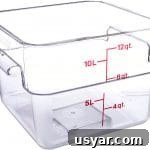 |
4. Cambro CamWear Square Container (12 qt, durable polycarbonate) | 88% |
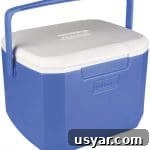 |
5. Coleman 16 Quart Portable Cooler (insulated option) | 84% |
1. EVERIE Sous Vide Container
The EVERIE 12-quart kit is a strong all-around choice, particularly when purchased with the rack and insulated sleeve. The lid is designed with a cutout compatible with many popular immersion circulators, and the included rack keeps multiple bags separated and stable. The sleeve improves insulation, which can reduce energy use and help maintain steady temperatures during long cooks.
Its compact 12-quart footprint fits neatly on most kitchen counters while still accommodating larger cuts in a single piece. The sleeve does obscure visibility while in place, but it can be removed quickly if you prefer to monitor your food directly. Overall, the EVERIE kit is convenient and efficient for regular sous vide use.
2. LIPAVI Sous Vide Container
The LIPAVI container is a clear, high-temperature polycarbonate option available in several sizes. Its durable material tolerates a wide temperature range and is dishwasher safe, which makes cleanup simple. Because LIPAVI comes in multiple capacities, you can choose the size that best fits single-person meals or larger family-sized roasts.
The tallest baths are typically around 8 inches high, which suits most immersion circulators. Larger sizes are ideal for brisket, ribs, and whole roasts, and the square shape helps you use space more efficiently than a round pot. This container balances material quality, size options, and cost, making it a reliable favorite.
3. Rubbermaid Commercial Food Storage / Sous Vide Container
Rubbermaid’s 12-quart commercial container is a practical, budget-friendly choice. With a compact footprint and clear walls, it’s easy to watch your cook and the measurement markings on the side help fill the bath to the right level. The polycarbonate construction is shatter-resistant and handles the typical sous vide temperature range.
Built-in handles make it easy to move when filled, and the square profile helps keep bags organized. The main limitation is that compatible lids designed for immersion circulators are limited. If you don’t need a sealed lid, this container is an excellent everyday option.
4. Cambro CamWear Square Container
Cambro’s CamWear 12-quart square container is another durable polycarbonate choice. It’s dishwasher safe and works well with circulators that clip to the side thanks to a relatively thin top lip. The square shape gives flexibility when arranging bags and makes it easier to keep items submerged.
While there aren’t many lid options tailored to circulators, the container’s price and rugged construction make it a solid budget pick for regular sous vide cooks.
5. Coleman 16 Quart Portable Cooler
Coolers offer superb insulation, which can reduce energy use and keep temperatures steady during long cooks. The Coleman 16-quart cooler is shallow enough for sous vide use and large enough for many cuts. It’s portable, easy to move, and the exterior stays cool to the touch during cooking.
Downsides include limited visibility and potential difficulty clamping some immersion circulators to the lip. Some users drill a hole in the lid to accept a circulator, but that requires care. If you prioritize insulation and occasional multi-purpose use (cooling and cooking), a cooler can be a practical choice.
Buyer’s Guide for Choosing the Best Sous Vide Container
Sous vide is a precise, low-stress way to cook—and selecting the right container makes the method easier and more consistent. Consider how often you cook sous vide, the size of food you normally prepare, and which features matter most: visibility, insulation, lid options, or portability.
Choosing the Correct Size
Pick a container size based on typical meal size and available counter space. Larger containers (20–26 quarts) are useful for whole roasts or multiple racks of ribs but take up more room and are heavier when filled. Smaller baths are easier to store and heat but limit the size and number of items you can cook at once. Also check your circulator’s effective heating capacity—many work best up to about 25 quarts.
Using a Vessel with a Clamp Circulator
If your circulator uses a clamp, choose a container with a slim rim or corners that allow secure attachment. Many polycarbonate food containers and square designs make clipping easier than some coolers or thick-rimmed tubs.
Using a Magnetic Circulator
Magnetic circulators like the Joule require creative mounting. You can buy clips, use a heavy metal baking sheet beneath a tub, or attach magnets to the container’s exterior to stabilize the unit. Whichever method you choose, ensure the circulator is secure and unobstructed for proper water flow.
Keeping Your Food Submerged
Keeping bags fully submerged is essential for even cooking. Methods vary by container type and what you’re cooking.
Clips
Bag clips are a simple solution and work well with polycarbonate containers or tubs that have a lip for clipping. They’re inexpensive and easy to use for most setups.
Magnets
Magnetic weights or magnetic clips are compact and especially useful with lids, as they let you anchor bags without cluttering the bath. They’re also handy for stabilizing magnetic circulators.
Weights
Lead or steel weights can be placed inside bags (then vacuum sealed) or attached externally with clips. They’re reliable but require cleaning and handling, so consider convenience versus effort.
Racks
Racks help separate multiple bags, keep items organized, and prevent floating. They’re especially useful when cooking several small portions or a mix of proteins and sides at once. Make sure any rack you buy fits your chosen container dimensions.
Insulating Your Container
Insulation reduces heat loss and saves energy. Use a lid when possible, wrap the bath with a towel, or use an insulated sleeve designed for sous vide containers. Coolers offer built-in insulation but may require modification for circulator mounting.
Cleaning Your Sous Vide Container
Choose a container that’s easy to clean—dishwasher-safe polycarbonate tubs are convenient. If you use a cooler, ensure it fits your sink for hand-washing. Cleanliness matters for flavor and food safety, so make cleaning part of your selection criteria.
With the right container, sous vide becomes more flexible and predictable. Consider how you cook, what you want to prepare, and where you’ll store the container to find the best match for your kitchen.
Can I Sous Vide in a 5 Gallon Bucket?
Yes—you can use a 5-gallon bucket as a temporary sous vide bath. It offers enough space for large cuts and is a handy, low-cost option until you invest in a dedicated container. Make sure the bucket is heat-safe and stable and that your circulator can be mounted securely.
Note: This article is intended to help you choose a container based on common features and user experience. Product names are included for reference. Always follow manufacturer guidelines for safe use and temperature limits.