
Have you felt worn out from making constant food decisions since your celiac disease diagnosis?
You are not alone. The ongoing worry about finding safe food can create significant mental strain and wear you down over time.
This post may contain affiliate content. See my disclosure/disclaimer for details.

- About This Blog Post
- What is Decision Fatigue?
- How Decision Fatigue Affects People with Celiac Disease
- What Burnout Looks Like
- Common Triggers
- How to Move Through Decision Fatigue
- Final Thoughts
About This Blog Post

Decision fatigue is a frequent and very real challenge for people living with celiac disease. Food choices are constant—at home, at work, grocery shopping, with friends and family, in social settings, and at restaurants. That ongoing vigilance adds up and can exhaust your mental energy.
Below I share a practical four-step process I use with clients to reduce decision fatigue, limit burnout, and make food situations feel more manageable. These steps are straightforward and designed to help you regain mental space around food and celiac disease.
What is Decision Fatigue?

Decision fatigue describes how our ability to make sound choices declines after repeatedly making decisions throughout the day. The more choices your brain must process, the harder it becomes to decide—even about small, otherwise relaxing things like what to watch on TV.
In everyday life you’ve probably experienced this: endless scrolling through options on a streaming service and then defaulting to a familiar show. That same worn-out feeling can happen with food choices when you have to constantly consider cross-contact, ingredients, and preparation methods because of celiac disease.
How Decision Fatigue Affects People with Celiac Disease
For people with celiac disease, decision fatigue often shows up as burnout. The mental load of constantly assessing risk—reading labels, vetting menus, asking questions, and planning ahead—can leave you depleted. This exhaustion makes it harder to maintain safe choices and enjoy social experiences involving food.
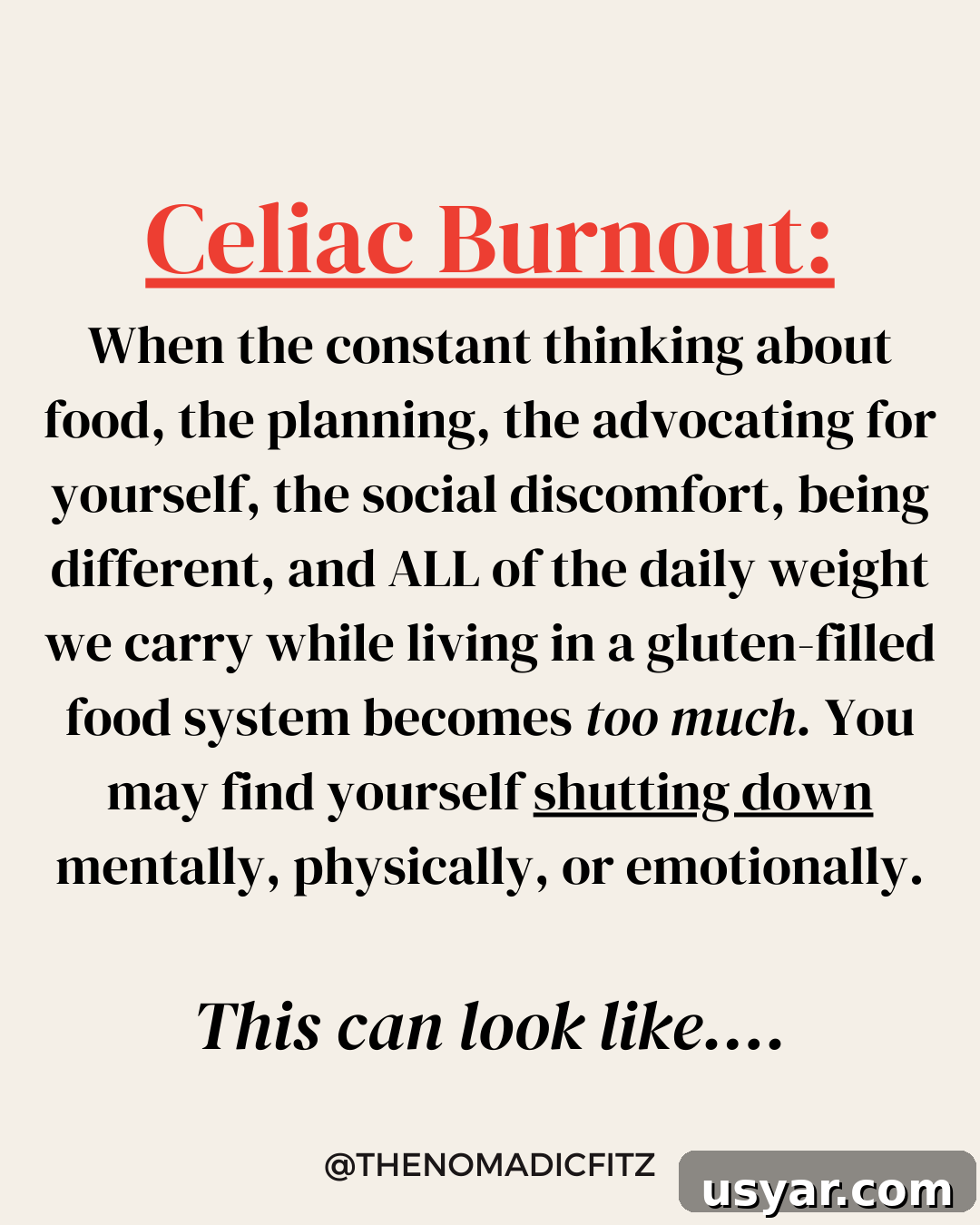

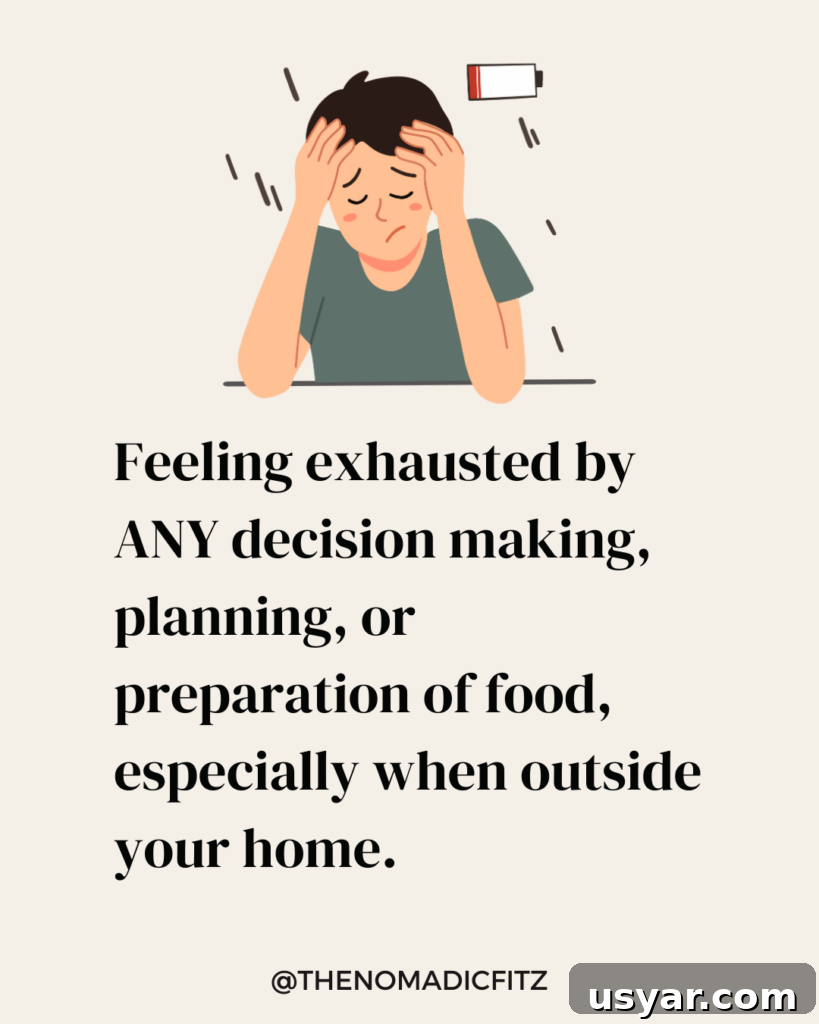
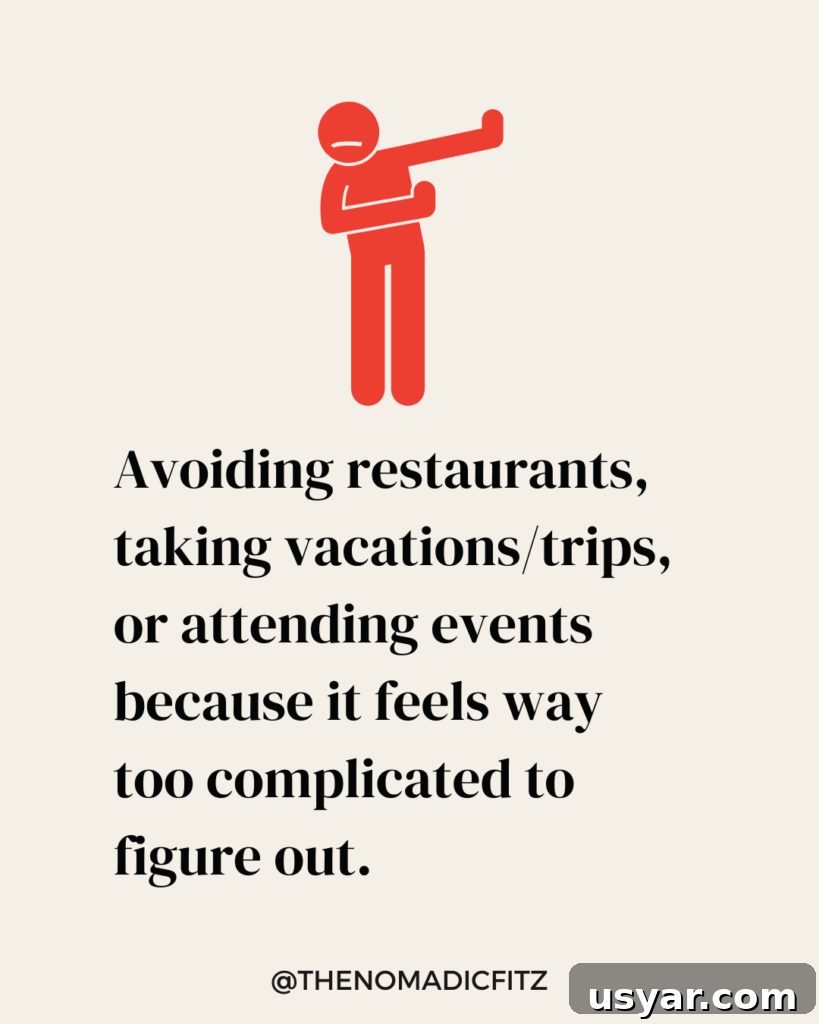
What Burnout Looks Like
Picture a day of travel: you’ve researched gluten-free options and started with a safe breakfast at a dedicated bakery. But as the day progresses, you spend most of your time and energy planning the next meal—searching for stores, choosing foods, deciding when and how to eat. Each decision, however small, chips away at your energy.
By lunchtime you might be analyzing menus, weighing reviews, and wondering if a gluten-free bun is really safe. By evening, the mental effort can turn a vacation or outing into an exhausting experience. This accumulation of choices is precisely what leads to burnout.
Common Triggers
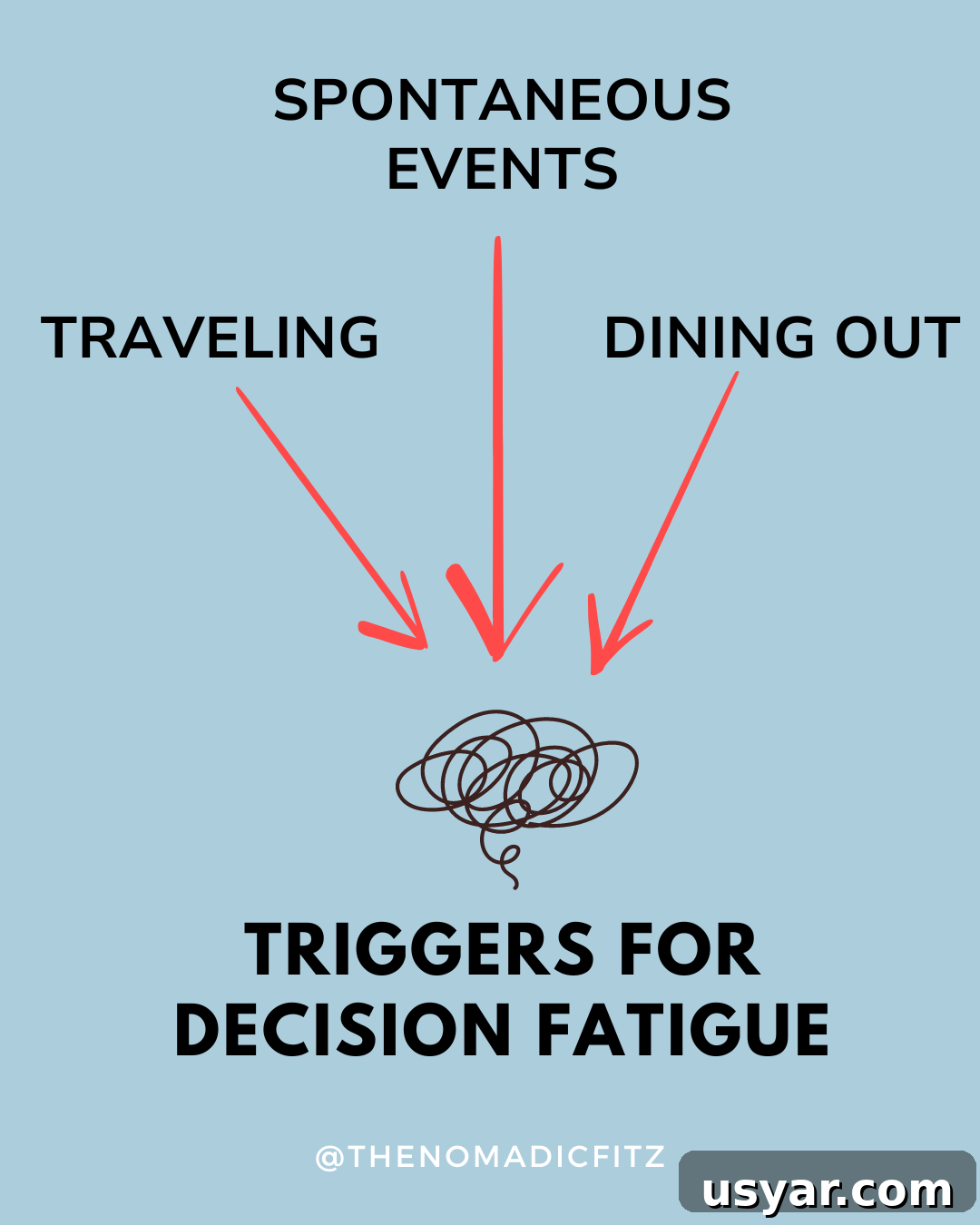
Here are common situations that often trigger decision fatigue for people with celiac disease:
- Travel. Being away from home increases uncertainty—different ingredients, unfamiliar kitchen practices, language barriers, and limited safe options.
- Spontaneous plans. Last-minute invitations to eat out leave little time to research or ask questions, which can feel overwhelming.
- Restaurant dining. Both entirely gluten-free and mixed kitchens pose different challenges: too many choices in a safe place or too much risk and analysis in a non-dedicated kitchen.
How to Move Through Decision Fatigue
Step 1: Identify the Source of Fatigue
Start by pinpointing exactly what is draining you. Are you exhausted from choosing a menu item, from explaining your needs to others, or simply hungry and tired? Name the specific stressor so you can address it directly.
Ask yourself: “What feels hard right now?” Getting clear about the cause helps you find the most effective next step.
Step 2: Choose the Easiest, Safest Option
Once you know the source, take the path of least resistance that still keeps you safe. If ordering at a restaurant feels overwhelming, ask someone else to order for you, or opt to pick up food and eat somewhere comfortable. Prioritize solutions that conserve your mental energy.
Step 3: Make Peace with Your Choice
After choosing the simplest safe option, give yourself permission to accept it without guilt. You may miss out on some social experiences, but bringing your own food or choosing a safe meal protects your health and lets you be present for what matters—conversations, events, and relationships.
Reframe your thoughts: instead of focusing on what you lose, acknowledge the safety and peace of mind your choice provides.
Step 4: Rest and Refill Your Cup
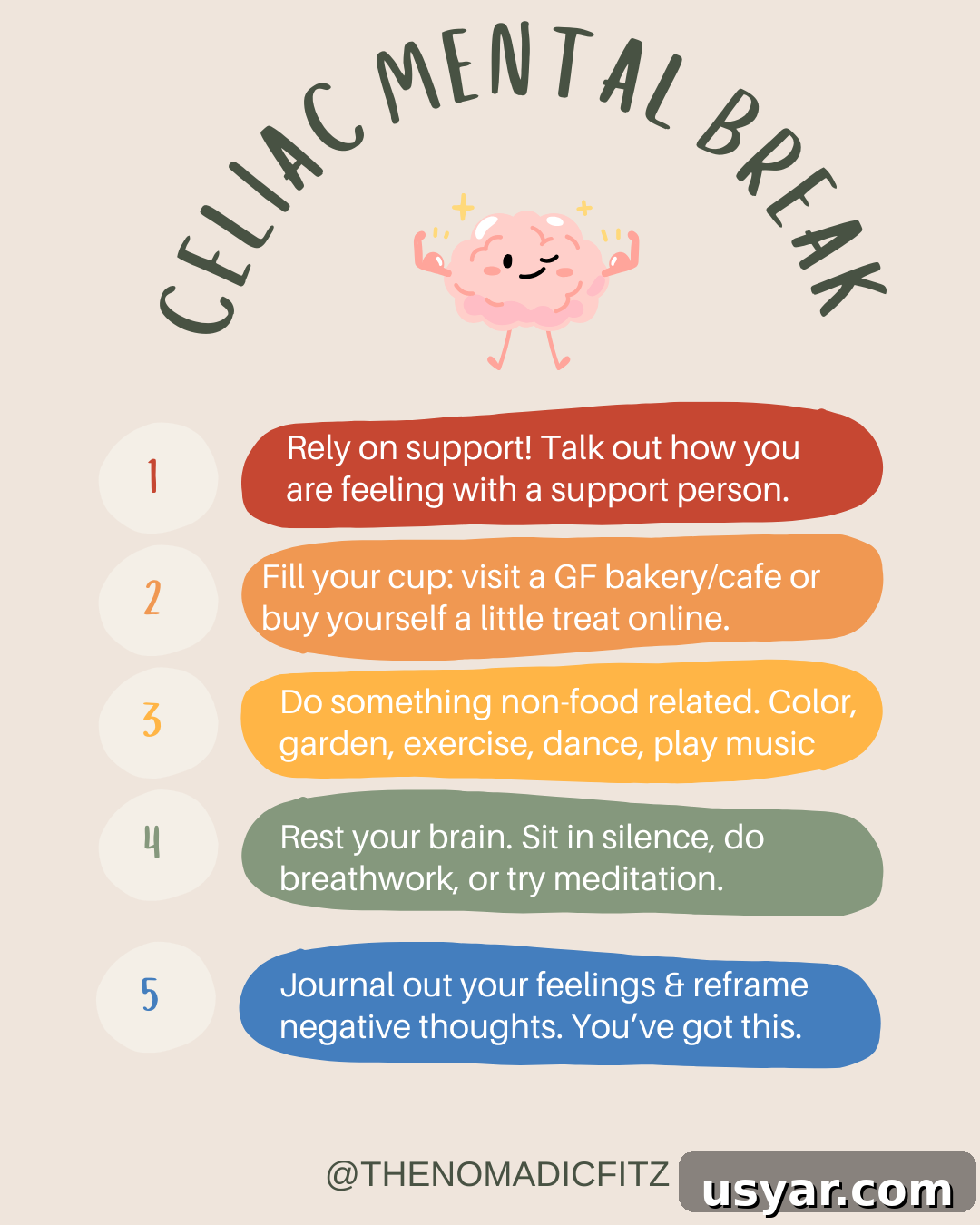
After a taxing stretch of decisions, intentionally replenish your mental energy. Simple practices—watching a favorite movie, reading, enjoying a trusted gluten-free treat, or making an easy meal that requires no explanations—can help your brain recover.
The goal is to give yourself activities that relax you and reduce the need for constant food-related vigilance.
Final Thoughts: Decision Fatigue with Celiac Disease
Decision fatigue is a common, valid experience for people managing celiac disease. Simplifying your choices and using a clear process can lessen the mental load and reduce burnout. By identifying the source of fatigue, choosing the easiest safe option, making peace with your choice, and intentionally resting, you can protect your health and preserve your energy.
If managing daily food decisions often leaves you drained, know that you deserve support, clarity, and strategies to make life with celiac disease feel lighter.
Have you experienced decision fatigue with celiac disease?
Share your experience in the comments below.