I’m back on the blog after more than three weeks away. It was a long, hot summer and I managed only a few posts and recipes here and there. The warm days lingered well into the season, even though I found myself longing for crisp autumn air, bowls of butternut squash soup and evenings wrapped in a blanket with a book.
My posting schedule was lazy and random, but the summer left no room for boredom. It was full of projects, travel and tiny, meaningful moments that shaped the months.
In June we headed west: first to an inspiring food styling and photography workshop in Alassio, then on to Provence to visit Giuseppina at her cookery school. Basil and lavender are the colours that still come to mind from those first summer days.
July brought a heat wave and a trip to the Oxford Symposium on Food and Cookery. Back home, the high season of cooking classes began amid the hottest temperatures in decades. I relied on mint as my cooling remedy—tucked a crushed sprig into a jug of icy water each day to survive long afternoons in a kitchen stoked by ovens and stoves.
August was no cooler. In a mostly empty Milan we visited the Expo, cooked a few recipes for the Tuscan region and sampled mind-blowing Korean, Thai and Vietnamese street food. A summer thunderstorm left the city thick and humid like a monsoon.
After the city, we escaped to the Apennines and spent a few quiet days foraging wild blueberries. The cooler air slowed us down and granted two long, blissful nights of sleep.
September arrived with shorter days and cooler nights. We prepared a wedding picnic in Chianti and then drove south for more than ten hours to spend a week in Puglia—exactly the break we needed. I began those holiday days with cold coffee and almond milk, a taste that always feels like Salento and seaside life.
Now we are back: teaching cooking classes, resuming Interpersonal Communication at the Florence University of the Arts, and returning to the blog. This has been the first summer in our house together, a time of lessons learned and new memories. I’ll keep the summer of 2015 close to my heart and preserve as many fresh herbs as I can for the months ahead.
5 WAYS TO PRESERVE SUMMER HERBS
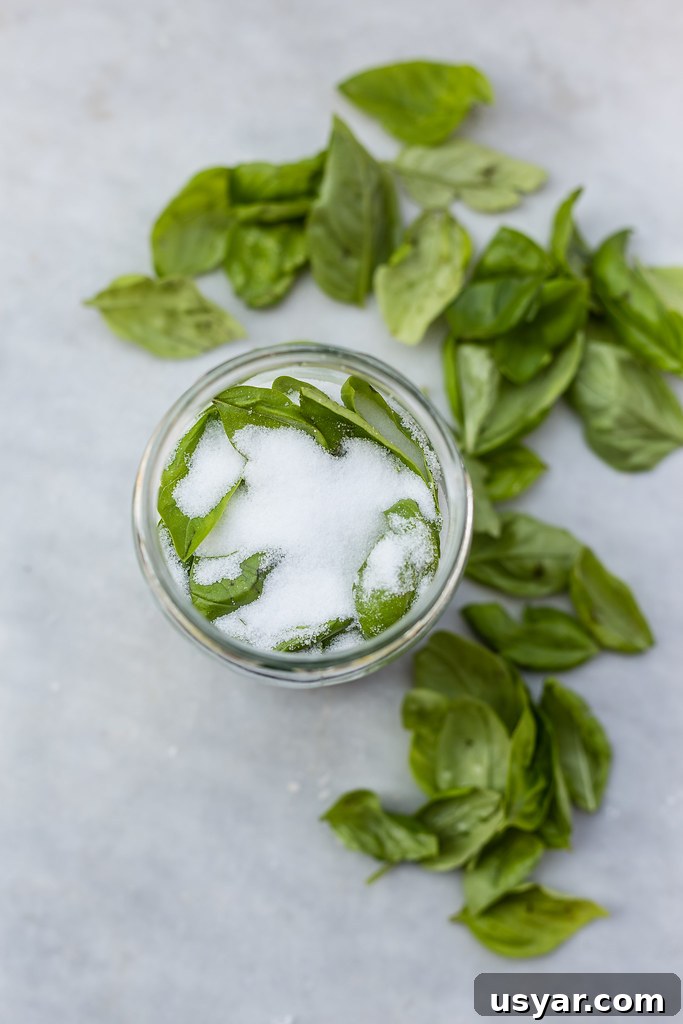
1. BASIL AND SALT
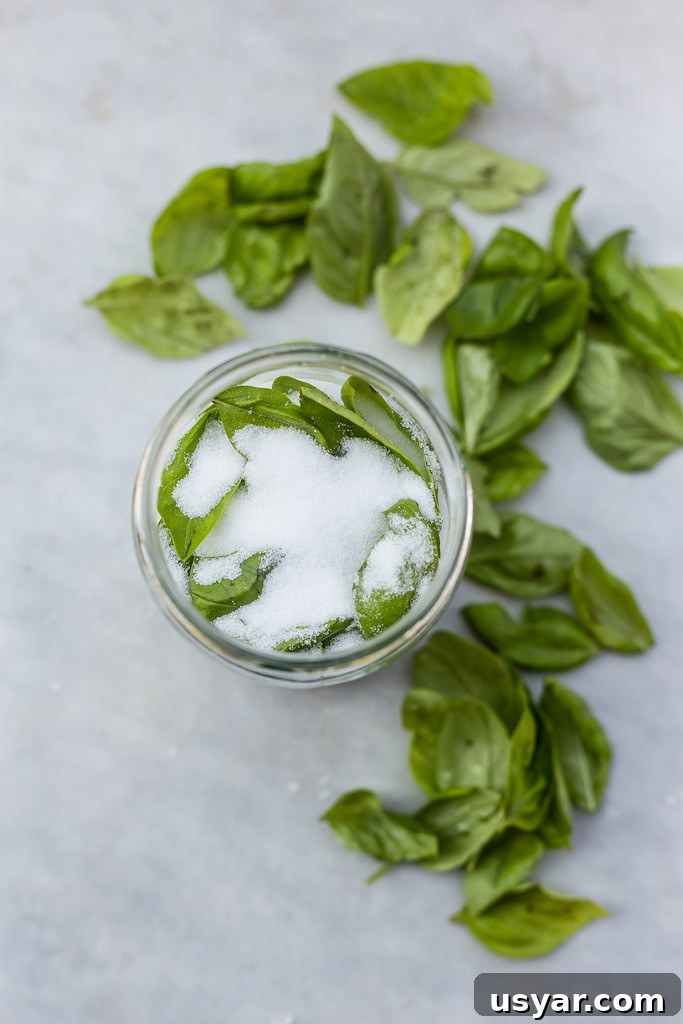
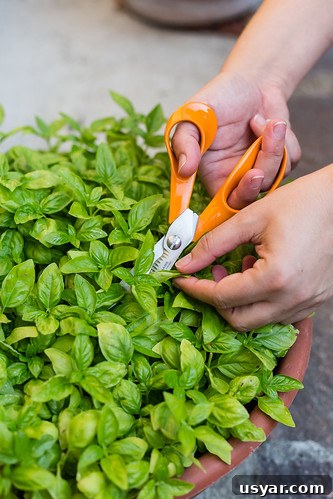
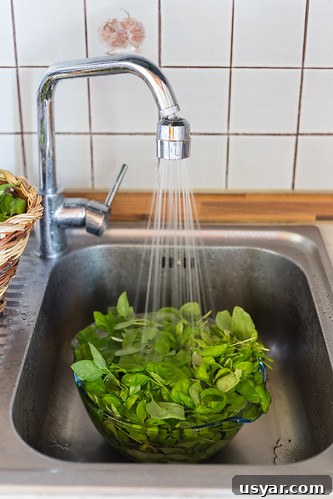
This year the herb garden flourished, even in the heat, thanks to careful tending. One of the simplest, most reliable preservation methods is to layer clean, dry basil leaves with fine sea salt in a jar. Alternate basil leaves and a thin layer of salt until the jar is full. The salt helps draw out moisture and keeps the basil aromatic through the colder months.
When winter arrives, add a basil leaf and a pinch of the basil-salt to stocks, soups or minestrone for an instant lift of summer flavour.
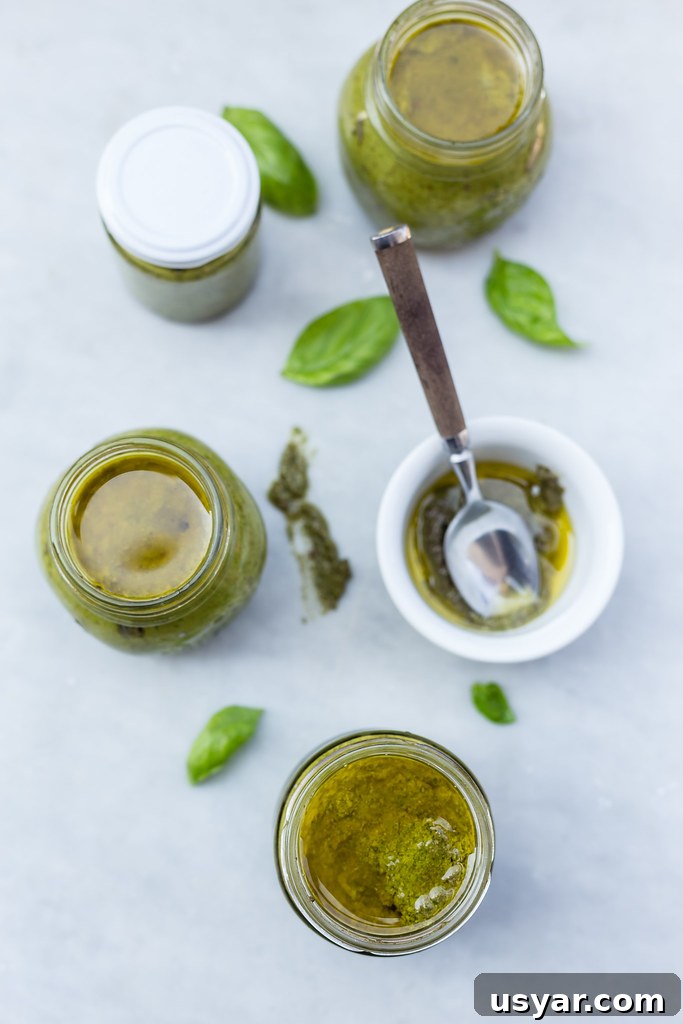
2. BASIL AND NUT PESTO
Traditional Genoese pesto—basil, pine nuts, cheese and olive oil—has always been my favourite. When I discovered I was lactose intolerant, I started adapting the recipe. This year I replaced cheese with almonds and walnuts, and I even skipped the garlic. The result is a dairy-free, nut-rich sauce that freezes well and brightens rice, pasta and grains through the winter.
Basil and nut pesto — Ingredients (yields about 4 little jars)
- 250 g fresh basil leaves
- 80 g shelled almonds (soaked for a few hours)
- 120 g shelled walnuts (soaked for a few hours)
- 1 teaspoon salt
- About 200 ml extra virgin olive oil
Instructions
- Soak the almonds and walnuts in water for a few hours, then drain.
- Wash basil leaves and pat them dry.
- Place the nuts, basil and salt in a blender and process until smooth. Add the olive oil slowly to emulsify and reach the desired consistency.
- Spoon into small jars, cover the surface with a little olive oil and refrigerate for up to a week or freeze for longer storage.
This nut-based pesto is a great way to capture basil’s bright flavour without dairy, and frozen jars are handy to pull out during busy winter evenings.
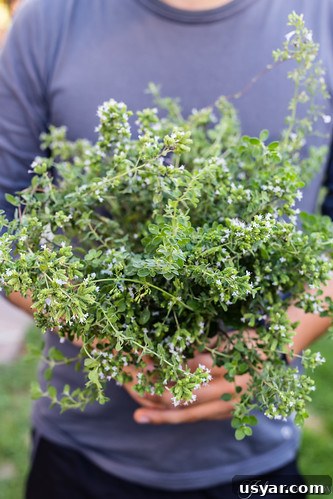
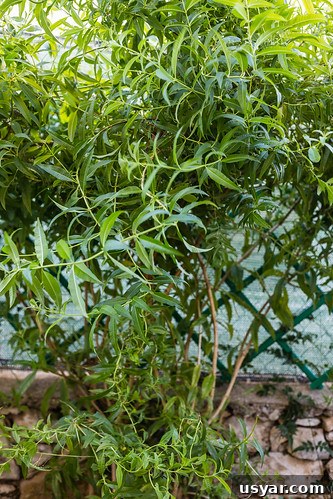
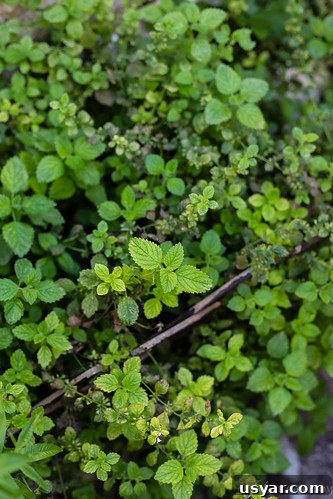
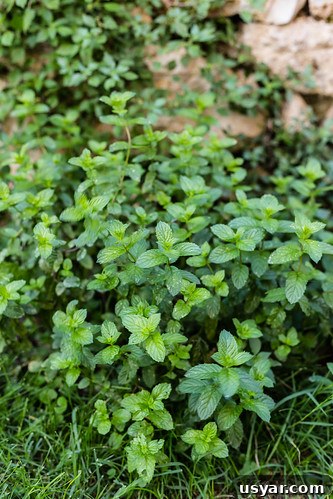
(top left: catmint, top right: lemon verbena – bottom left: lemon balm, bottom right: mint)
3. DRYING HERBS
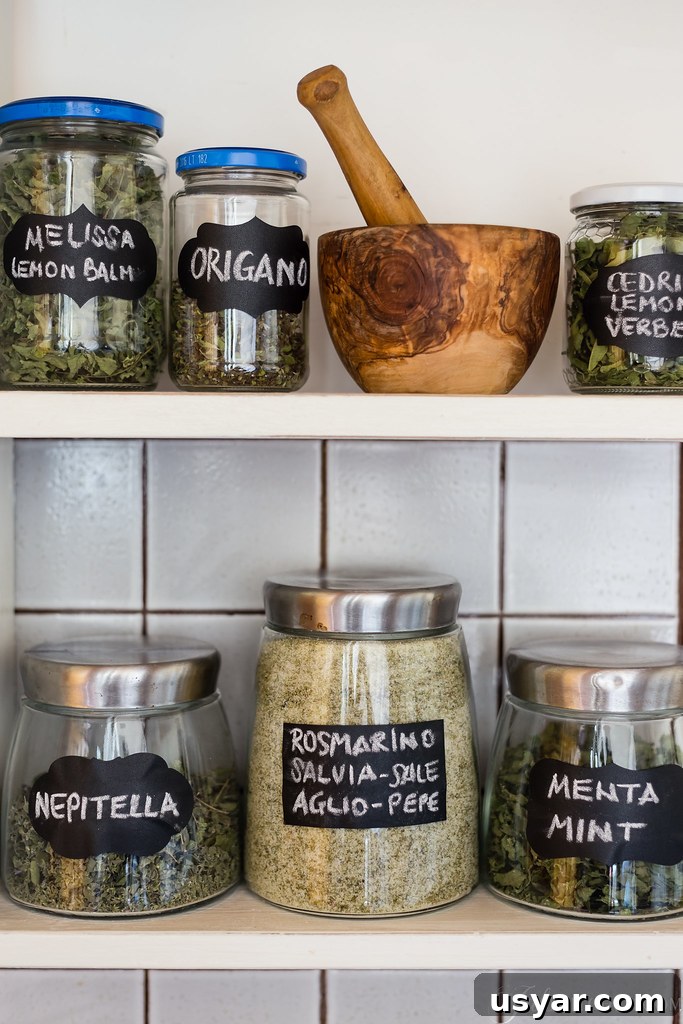
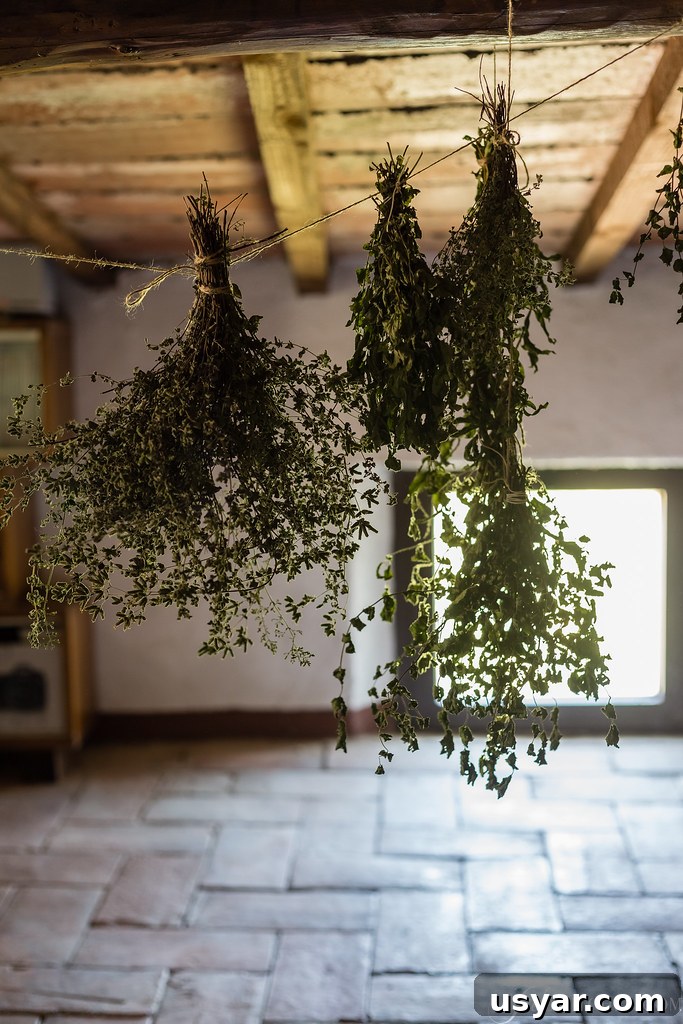
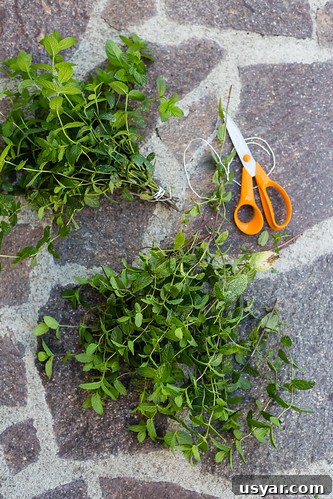
A tidy attic with good airflow makes an ideal spot to dry herbs. I hung small bunches of mint, lemon verbena and lemon balm to dry for a few days. Once fully dry, these herbs make soothing infusions and thoughtful DIY gifts packed in glass jars. Catmint, which works wonders with mushrooms, artichokes and eggplant, dries well and will sit on the shelf until spring brings fresh growth again.
4. FREEZING
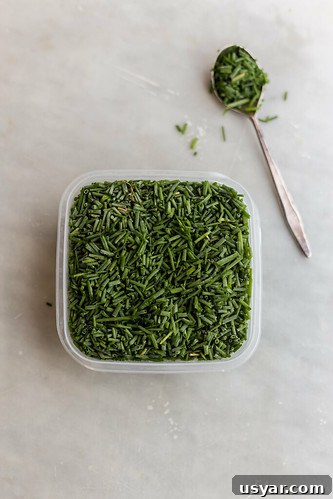
Chives and parsley freeze exceptionally well. Wash and dry them thoroughly, chop with a sharp knife and pack the chopped herbs into airtight containers. When you need a hit of parsley for potato salad or chives for fried eggs, simply scrape out what you need with a fork. The frozen herbs retain much of their fresh aroma and colour.
5. RUB SALT
A jar of seasoned rub salt is a simple way to bring Tuscan flavours to roasts and vegetables. Combine rosemary, sage, garlic, black pepper and coarse salt to create a fragrant mix. Keep it in a sealed jar and use it to season pork, beef, roasted potatoes, schiacciata or even a toasted slice of bread finished with new olive oil. The aroma is instantly evocative of summer herbs.
Link love
- A well-known guide to freezing herbs in olive oil offers helpful ideas for long-term preservation.
- Several food blogs and magazines publish practical lists of easy ways to preserve herbs for home cooks.
- A creative styling and photography workshop I attended was inspiring for how I approach food and herbs on the blog.
- Small kitchen tools, like a bright pair of scissors, make herb harvesting and prep faster and more enjoyable.