Today’s Post: Scandinavian Easter Food
With Easter approaching at the end of the month, we wanted to share some classic Scandinavian Easter foods. For many people in Scandinavia, Easter is as much about gathering with family and friends to welcome spring as it is a religious observance. Traditions vary by country and region, and families often add their own twists, but there are a number of common dishes and customs that appear across Denmark, Sweden and Norway. Below we describe some staples you might encounter at Scandinavian Easter tables and why they’re meaningful to local traditions.
Danish Easter Food: Smørrebrød
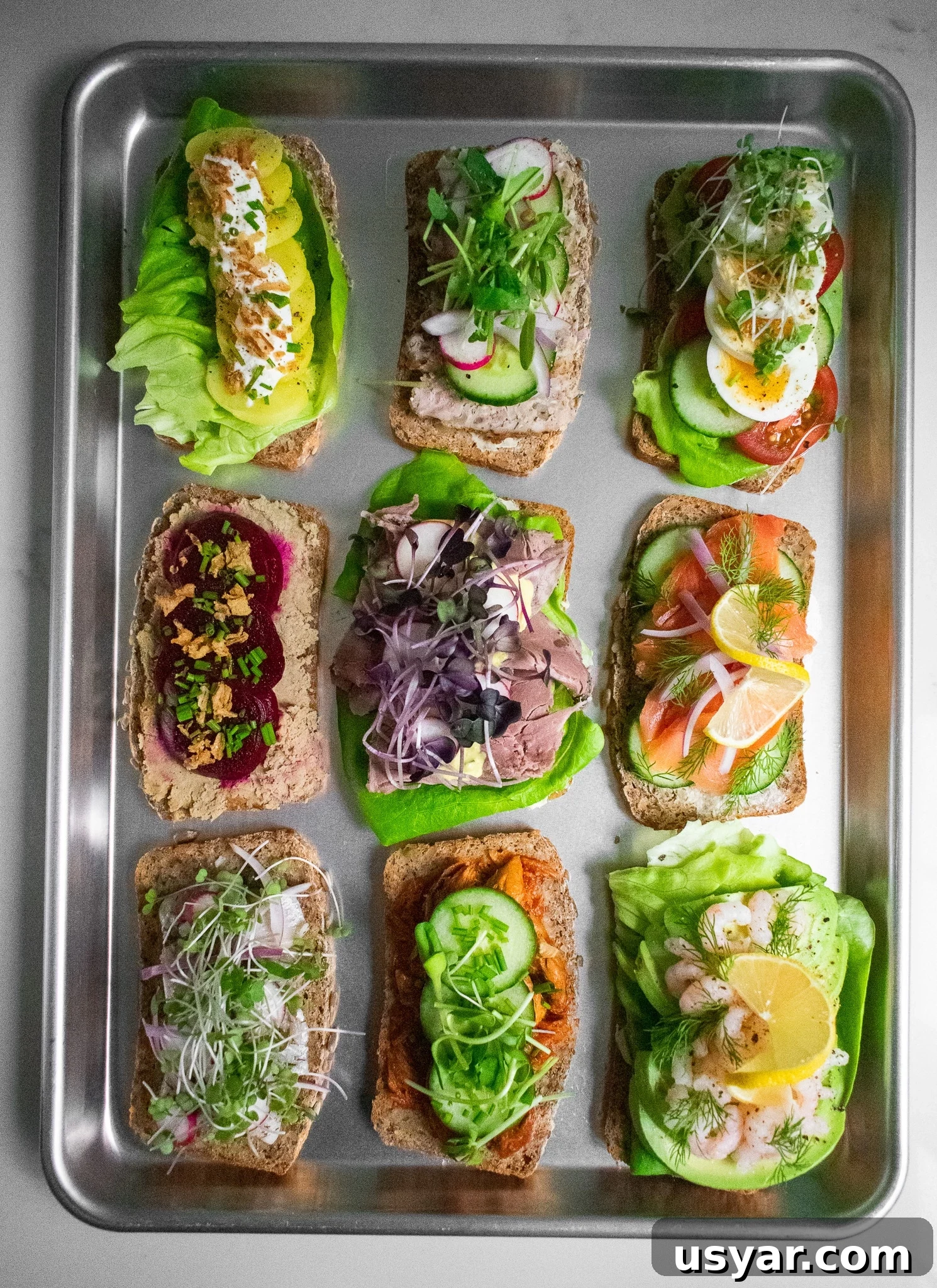
In Denmark, the Easter gathering is often a påskefrokost, a festive Easter lunch that is more like a long, celebratory meal than a single sitting. The Danish påskefrokost resembles the julefrokost (Christmas lunch) in its variety and convivial atmosphere: plates of fish, cold cuts, salads and vegetable dishes shared alongside beer and snaps. Snaps — typically akvavit or another strong spirit — is sipped or taken as shots between bites.
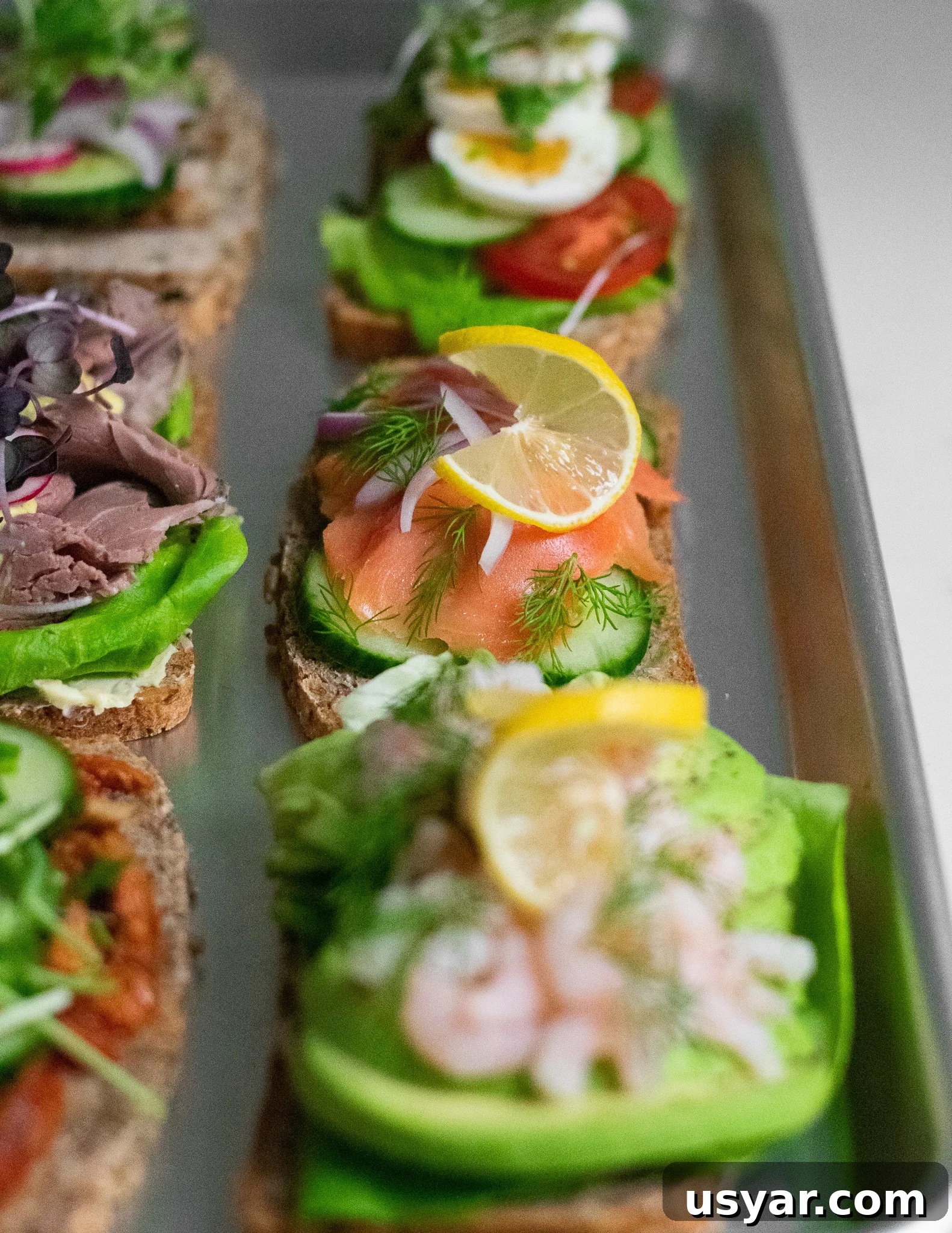
A hallmark of Danish holiday tables is smørrebrød, the open-faced sandwich. Each smørrebrød features a specific type of bread and carefully matched toppings and garnishes, so even when a wide range of dishes is offered, Danes traditionally assemble and eat items atop bread. Eggs and lamb are especially popular at Easter, adding seasonal touches to the familiar smørrebrød spread.
Swedish Easter Food: A Festival of Fish
Swedish Easter is celebrated with an abundant smorgasbord that places a strong emphasis on fish and seafood. Typical offerings include pickled herring in several marinades, gubbröra (an egg and anchovy salad), cured salmon such as gravlax, and Jansson’s frestelse, a creamy potato and anchovy gratin. Like their Danish neighbors, Swedes also enjoy lamb at Easter and often finish the meal with a large, decorative cake and sweet treats.
One practical distinction between Swedish and Danish holiday meals is presentation: Swedes tend to lay out many small dishes buffet-style for guests to help themselves, while Danes are more likely to place those same ingredients on bread as smørrebrød. Both approaches produce a generous, communal dining experience centered on seasonal flavors and conviviality.
Norwegian Easter Food: Lots of Lamb
Norwegian Easter tables draw on the familiar Scandinavian mix of fish, eggs and hearty mains, but two items stand out: lamb and oranges. Lamb is a common Easter main across Norway, reflecting both seasonal availability and symbolic associations. Fish traditions include rakfisk, a fermented trout that is typically served on flatbread with boiled potatoes, onion and sour cream.
Oranges have a special seasonal role in Norway’s Easter history. At one time oranges were a rare treat that arrived in winter and early spring, making them associated with holiday celebrations and the arrival of warmer weather. Even today, orange-flavored cakes and citrus desserts are popular, and many Norwegians still enjoy fresh oranges over the long Easter weekend.
Scandinavian Easter Sweet Treats
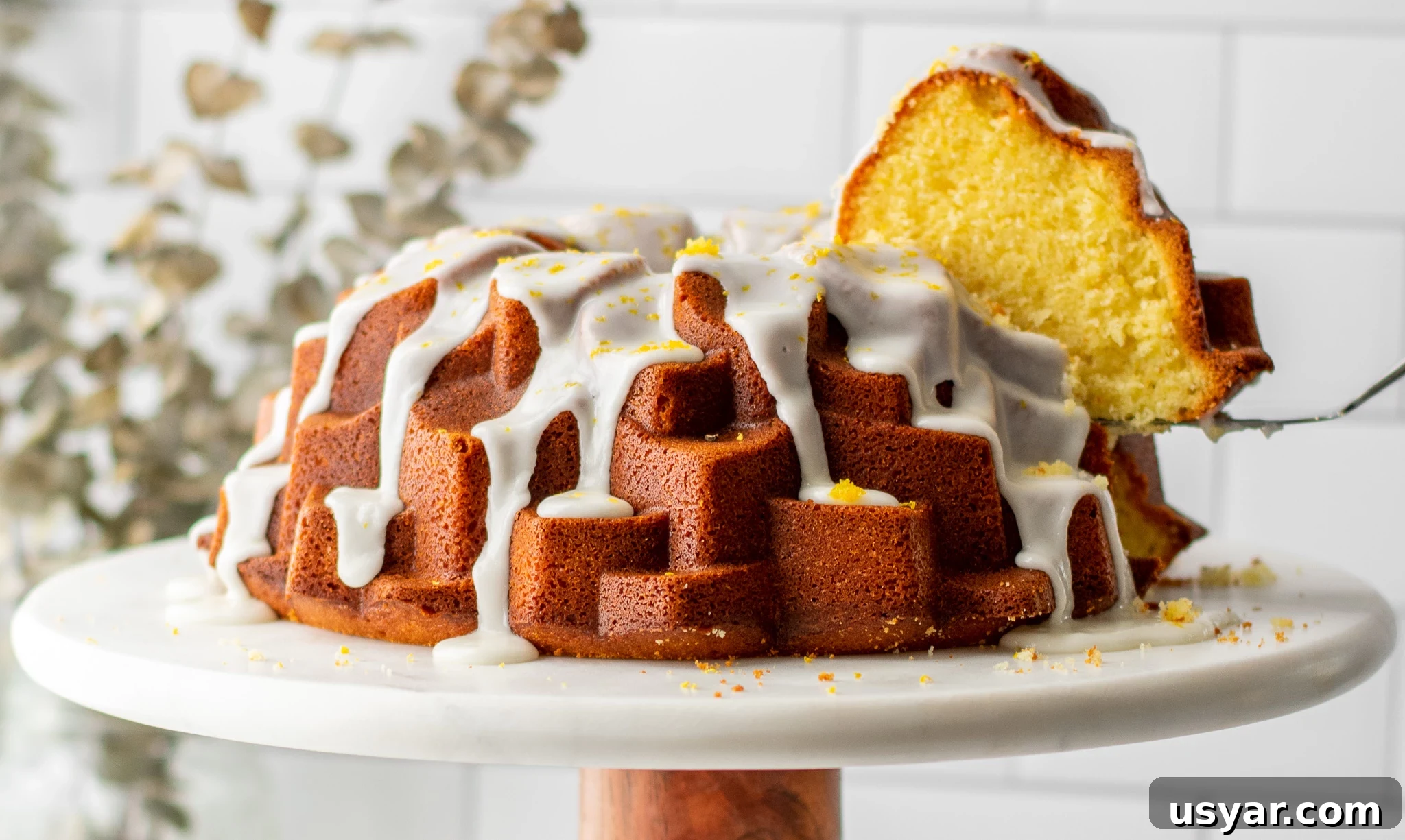
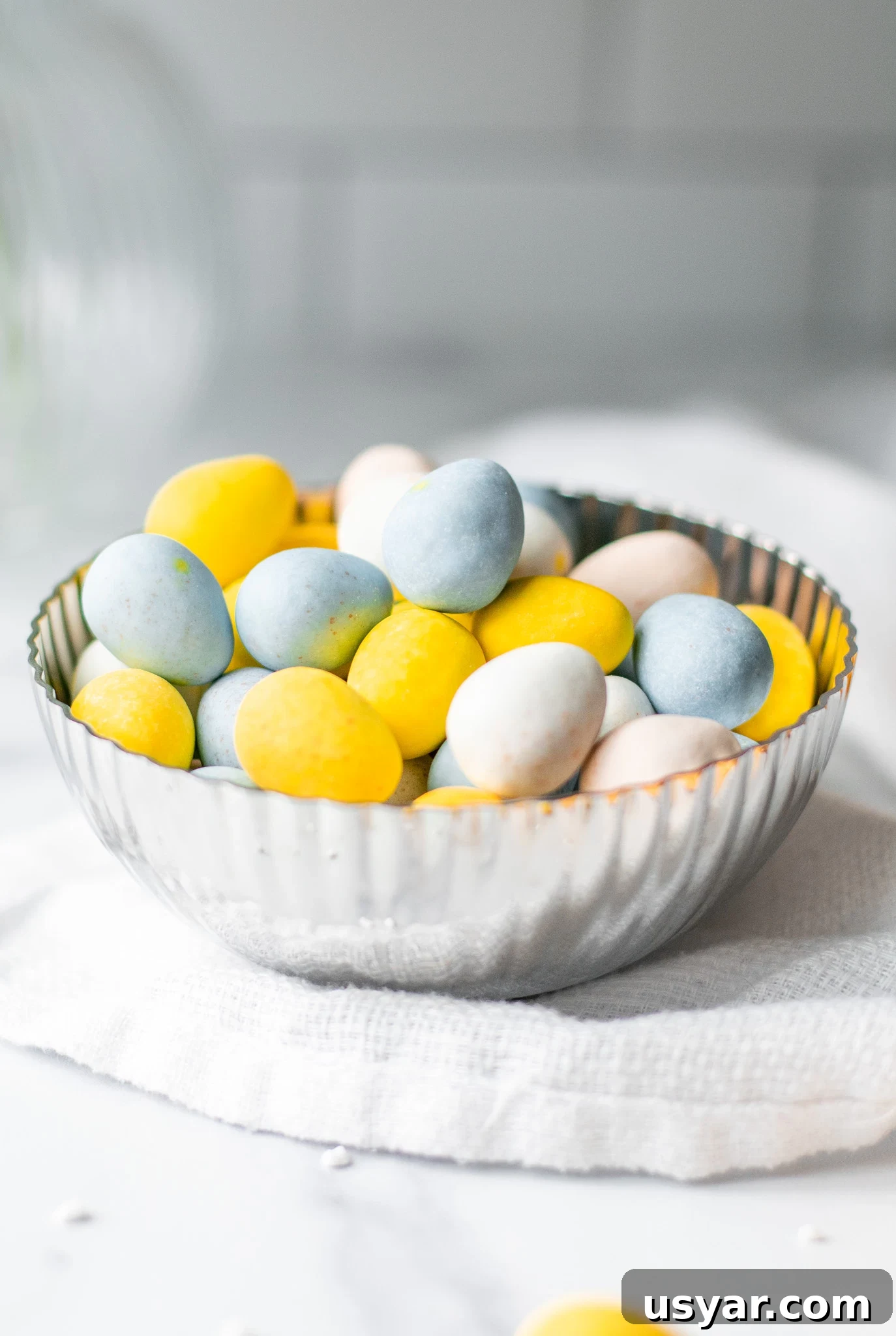
There are fewer desserts that are uniquely tied to Easter across Scandinavia than there are savory dishes, but celebratory cakes and seasonal sweets are common. Many families present an impressive, show-stopping cake—often with citrus notes such as lemon or orange—which provides a bright, refreshing finish to a heavy meal. Traditional pastries or braided breads shaped into nests are used to present egg-shaped candies, and chocolate is a popular accompaniment for outdoor Easter hikes and excursions.
If you’re looking for an Easter dessert idea, a lemon bundt cake or an orange-flavored layer cake fits well with Scandinavian tastes and balances richer savory dishes. Small candies, marzipan eggs and chocolate treats also appear widely in stores and are often used to decorate dessert tables or hidden in Easter nests for children to find.
Thanks for reading!
We hope this guide gave you a clear, appetizing overview of Scandinavian Easter foods and traditions. Whether you’re planning a Danish-style smørrebrød lunch, a Swedish fish-heavy smorgasbord, or a Norwegian feast centered on lamb and citrus, these dishes highlight the seasonal ingredients and social spirit of Easter in the Nordic countries. Do any of these dishes appeal to you for your own celebration? Share what you like to serve for Easter and try incorporating one or two Scandinavian elements for a fresh twist.
Sources
https://www.ostogko.dk/de-bedste-opskrifter-til-paaskebordet/
https://visitsweden.com/what-to-do/culture-history-and-art/swedish-traditions/more-traditions/easter-sweden/
https://www.norwegianamerican.com/on-norwegian-easter-food-traditions/
https://www.oslo.com/blog/2019/04/09/norwegian-traditional-easter-food/