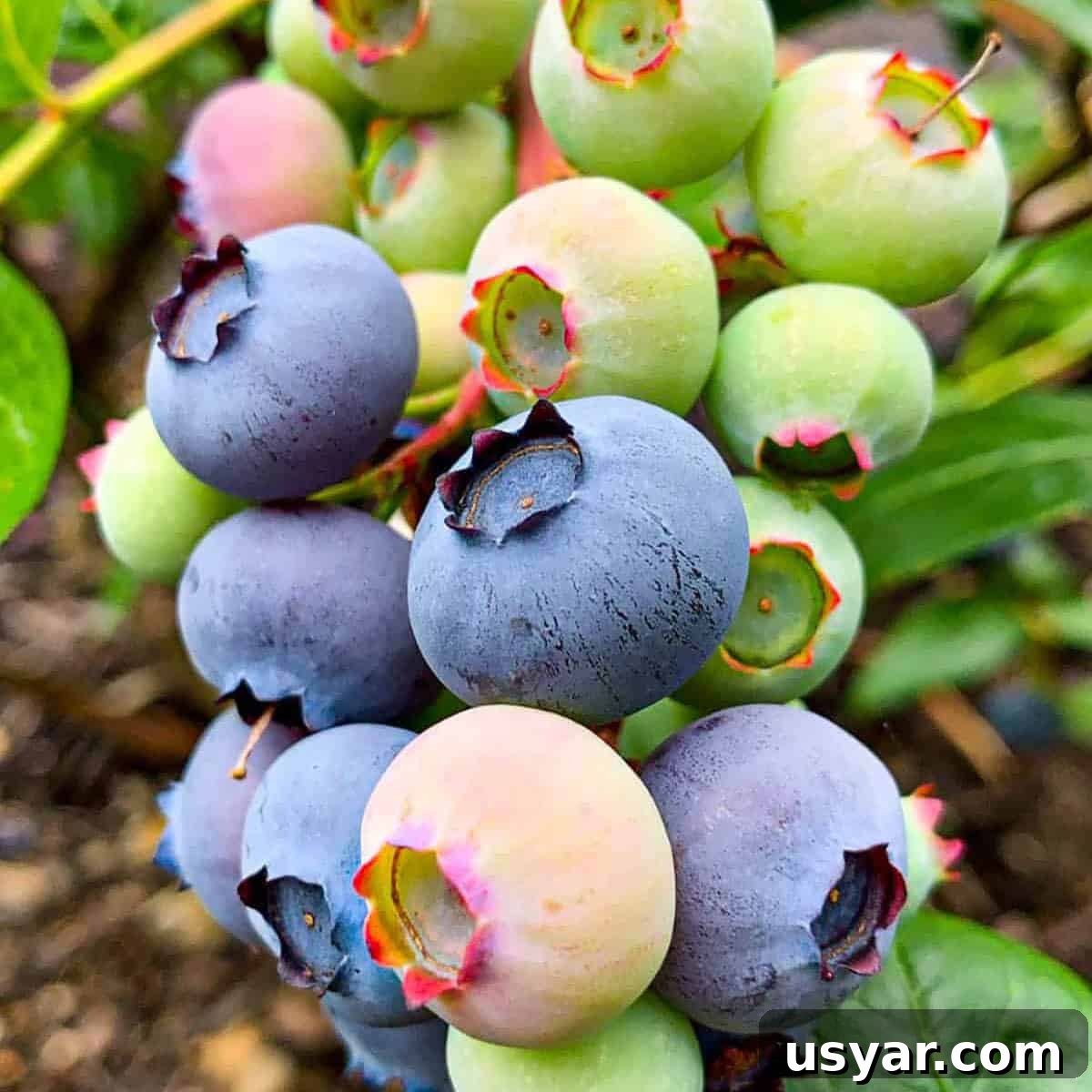
There are four reliable ways to tell when your blueberries are ripe and ready to pick. Few things capture the taste of summer better than freshly picked blueberries, whether they come from a backyard patch or a u-pick farm. Knowing when to harvest makes the difference between tart, mealy fruit and sweet, juicy berries at peak flavor.
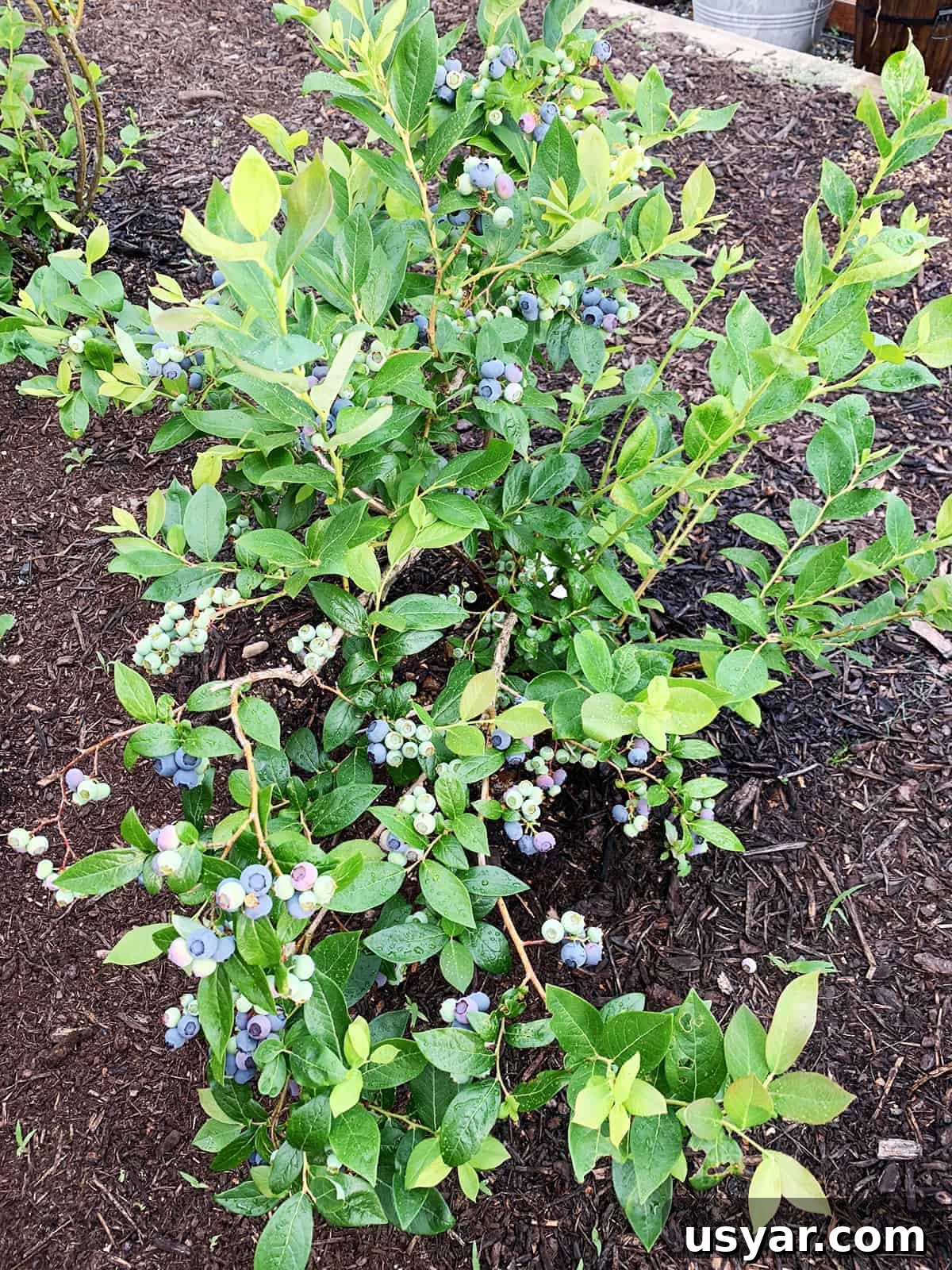
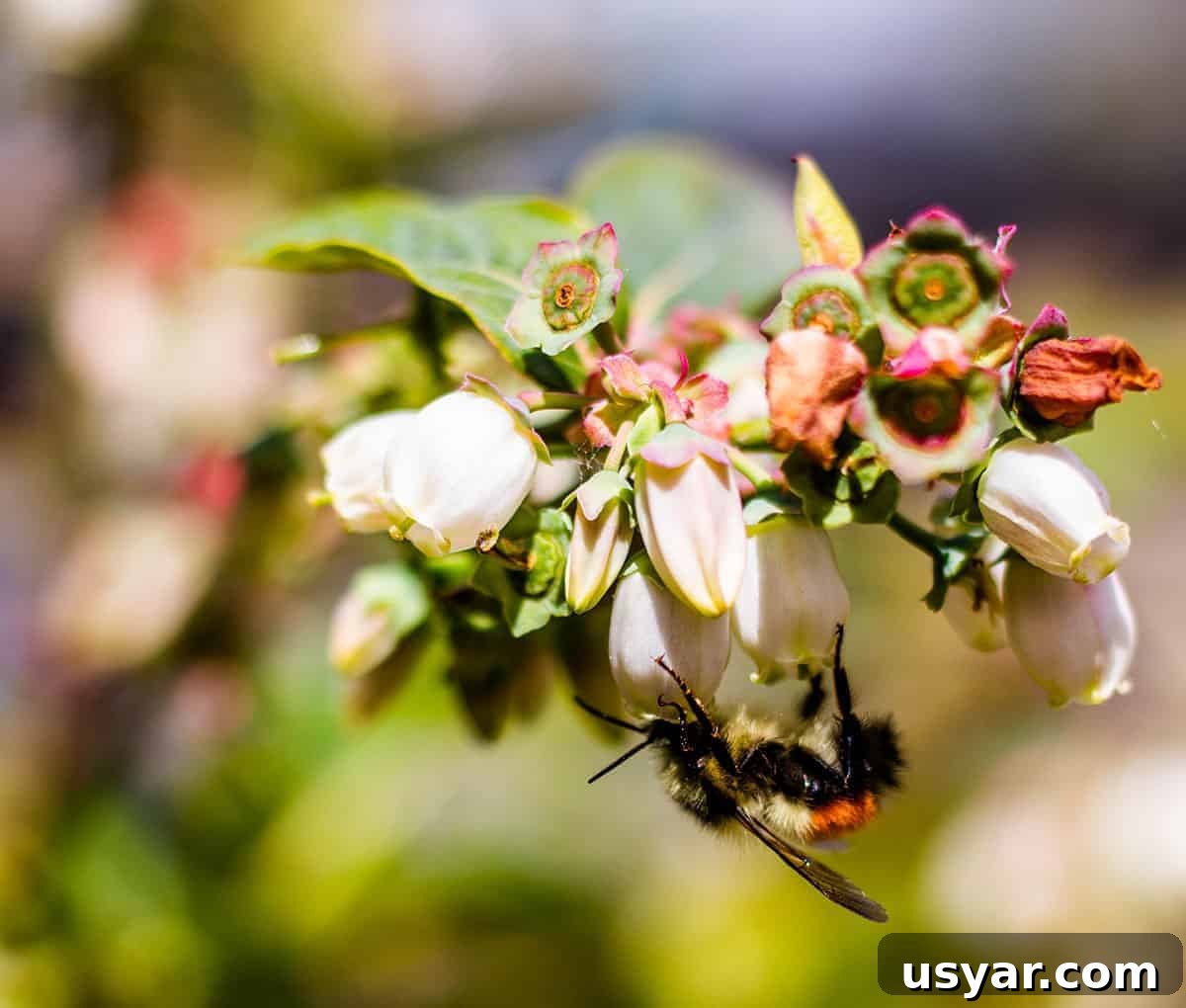
Blueberry bushes are an easy, rewarding addition to most home gardens and can supply fresh berries throughout the summer. Aside from the fruit, they offer attractive foliage and spring blossoms that attract pollinators. With the right care—sun, soil acidity, and pruning—you can enjoy superior-tasting berries compared to store-bought options.
Quick reminders for growing healthy blueberry plants:
- They may not produce significant fruit in the first year; allow them time to establish.
- Plant in a location with at least six hours of direct sun per day.
- Use at least two compatible varieties to improve pollination and yield.
- Blueberries prefer acidic soil (pH 4.0–5.0); organic amendments like peat moss or coffee grounds can help acidify soil.
- Ensure soil is well-draining to avoid root rot.
- Regular pruning keeps plants vigorous and productive.
- Plant with peat moss or other acidic organic matter when establishing new bushes.
Blueberries are generally straightforward to grow. For a complete guide on planting, care, and variety selection, consult reputable growing resources.
After harvesting, fresh blueberries are delicious on their own or in many recipes such as smoothies, smoothie bowls, and baked goods.
- Beet and Blueberry Smoothie
- Blueberry Banana Smoothie
- Blueberry Smoothie Bowl
- Blueberry Lemon Scones
When are Blueberries in Season?
Blueberry season generally runs from early to late summer, though the exact timing depends on variety and climate. By planting varieties that ripen at different times—early, mid, and late season—you can extend your harvest window and enjoy fresh berries for weeks or months.
Typically, berries begin to change color in late June in many regions and continue ripening through July and August. However, local growing conditions, weather, and cultivar differences will affect the precise timing.
During ripening, berries progress from pale green to pink or white, then to a light blue and finally to a deep blue or purple. Berries picked too early will be firmer and more tart; waiting until they reach full color and flavor yields the best eating quality.
How to Know When Blueberries are Ripe
There are four straightforward ways to confirm a blueberry is ready to harvest. Use them together for the best results.
Gardening Zone
Your local growing zone gives a general timeline for when blueberries will ripen in your area. Consult your regional hardiness and growing information to estimate the season for your varieties. Zone guidance helps set expectations, but weather and microclimates can speed up or slow the ripening process.
Color
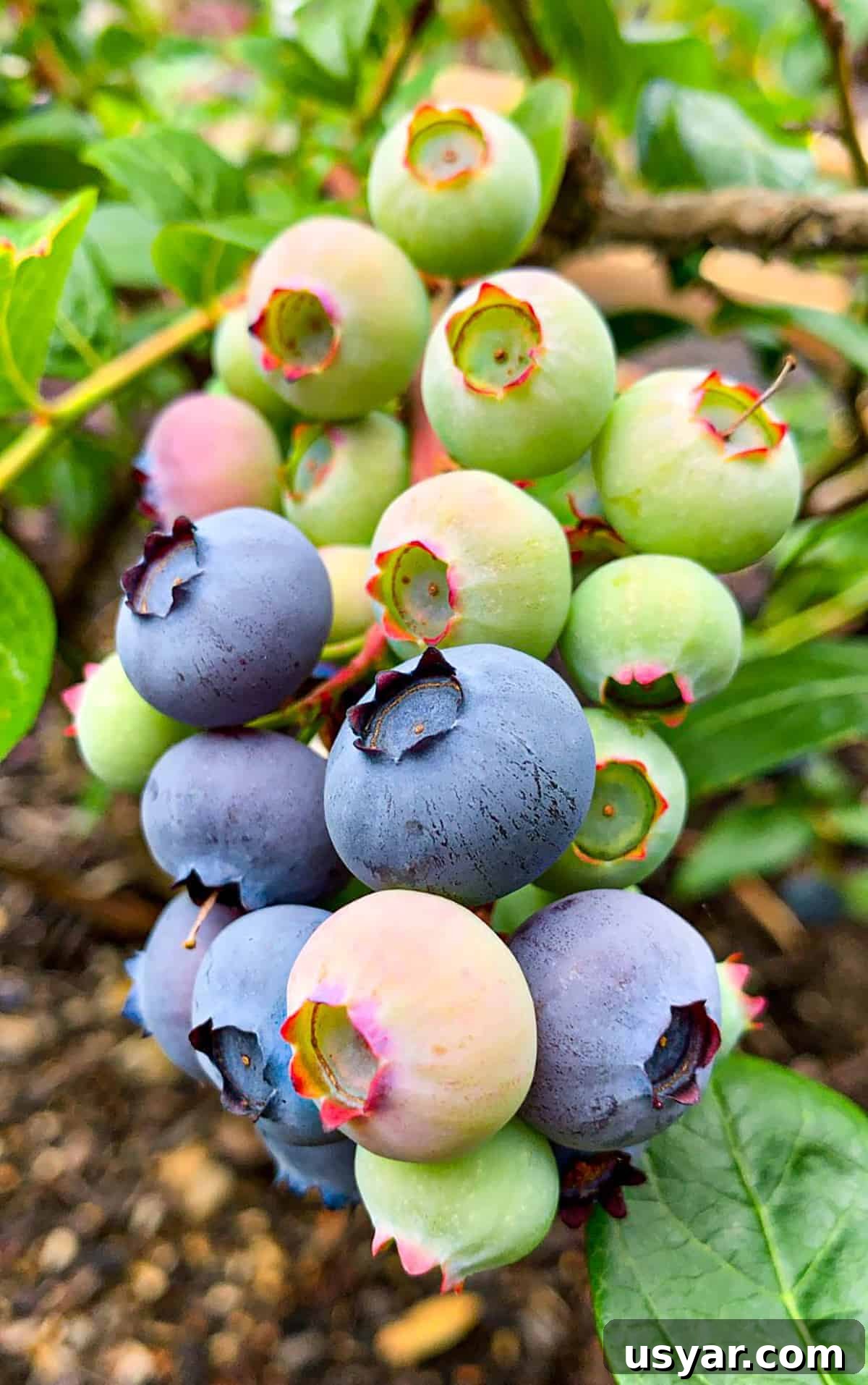
Color is the most obvious indicator: ripe berries develop a uniform deep blue or purple tone over the entire surface. Avoid berries with any pink, red, or green patches—those need more time. Berries that look mostly light blue are often still tart, so give them a few extra days until their color deepens.
They Fall Right Off
Ripe blueberries detach easily from the stem. If a berry requires force to remove, it’s not fully ripe. When ready, they should gently release with a light nudge or fall into your hand during picking.
Taste Test
The most reliable check is a simple taste test. Sample berries from different parts of the bush and different color stages. Ripe berries should be sweet with a balanced flavor and pleasant juiciness. If the berry is too tart, wait a few days and test again. Over time you’ll learn which shade and firmness give you the flavor you prefer.
Keeping a garden journal to note ripening dates and flavor preferences can help plan future seasons and variety choices.
How to Pick Blueberries
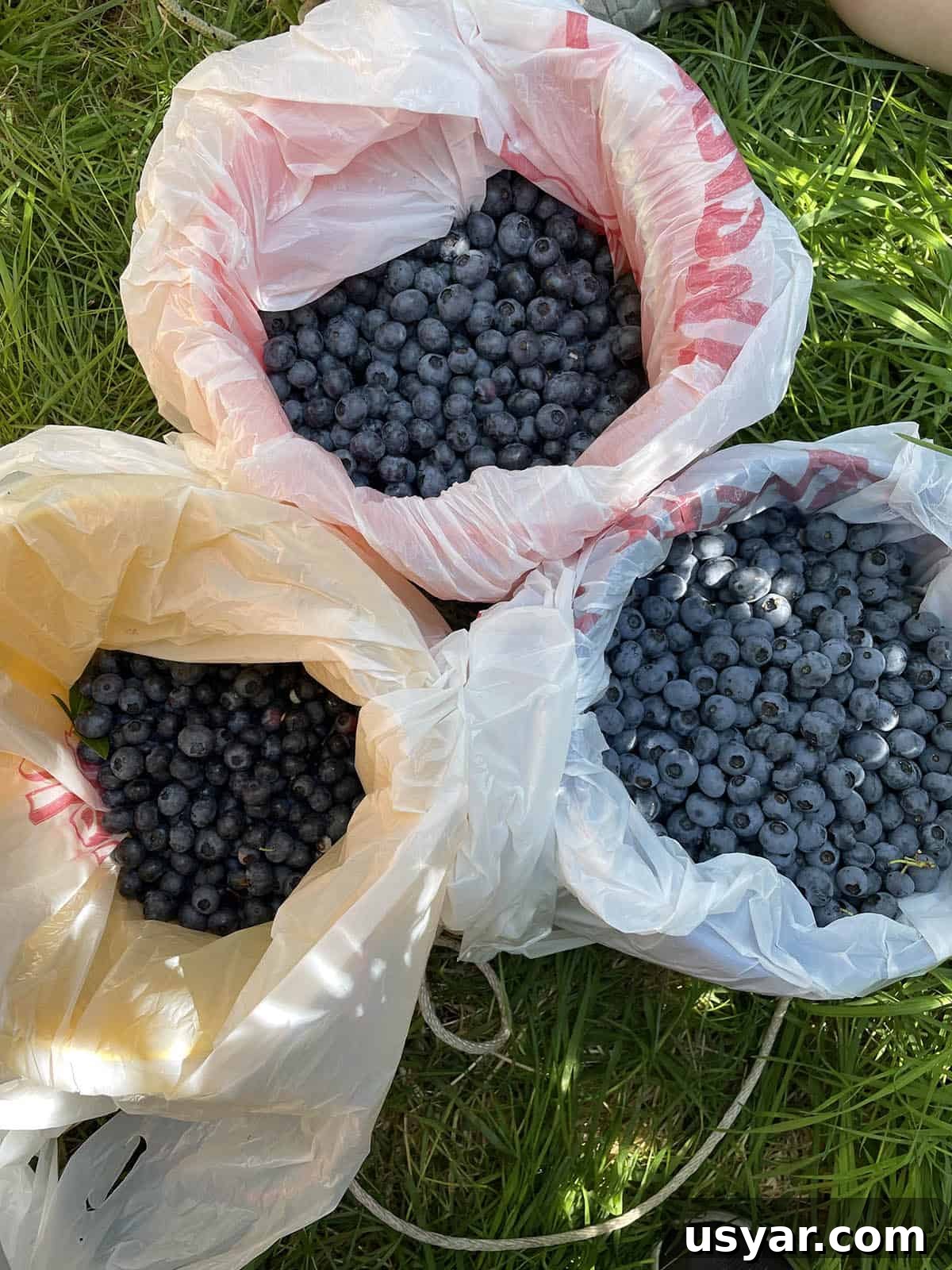
Pick in the early morning when berries are cool and firm. Use a bucket or a bagged pail to keep your hands free and avoid crushing fruit. At home, a colander or shallow container works well for rinsing and sorting immediately after picking.
Two easy picking techniques:
- “Tickle” the cluster: cup a cluster in your hand and lightly run your fingers across it—ripe berries will drop into your palm.
- Support the branch with one hand and gently pull ripe berries into your other hand so they land softly in your container.
After harvesting, gently rinse berries under cool water and remove any debris. Blueberries store well in the refrigerator for several days and freeze beautifully for long-term use—freeze them spread on a tray first to keep them from clumping.
Recipes and ideas: Use fresh or frozen berries in smoothies, cobblers, scones, salad toppings, or as a simple snack.
- Blueberry Lemon Scones
- Beet Smoothie with Blueberries
- Blueberry Smoothie Bowl
- How to Freeze Blueberries without Getting Mushy
Additional gardening resources:
- How to Grow Blueberries
- How to Start a Garden
- How to Grow Raspberries
- How to Grow Onions
I’d love to hear about your blueberry garden—share your successes or questions in the comments. You can also connect on Instagram at @dirt.dough.