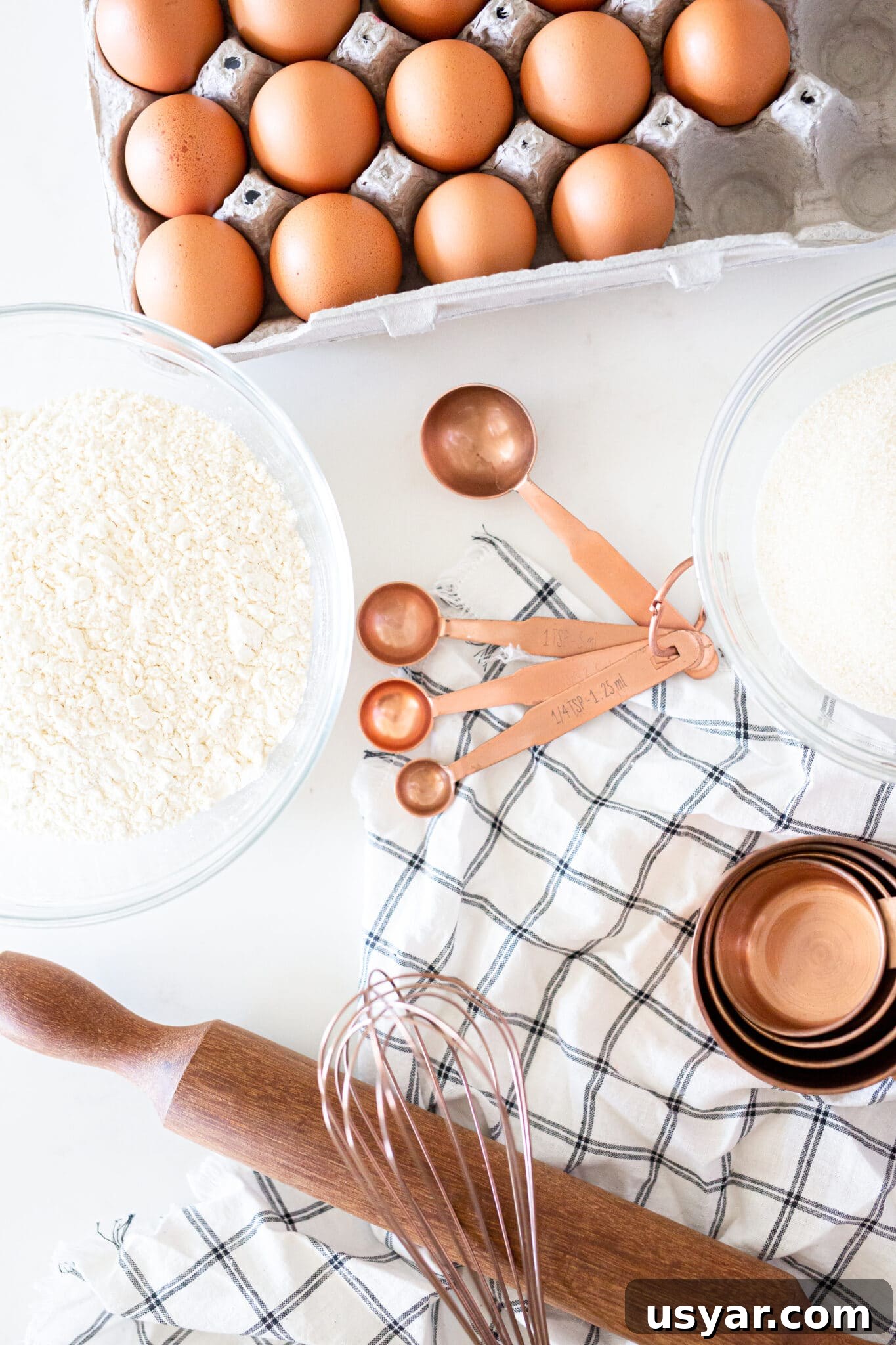
When it comes to making sweets and desserts, baking brings its own set of rules and techniques. While cooking allows for improvisation, baking—especially low carb baking—benefits from careful methods and attention to detail.
This guide compiles our best tips and techniques for making low carb and keto-friendly baked goods at home. It draws from frequently asked questions and feedback from readers, and aims to help you produce reliable, delicious results every time.
The Best Baking Tips and Tricks To Make The Perfect Dessert
Below are practical tips we use regularly when making sweet treats. They focus on the considerations that matter most when baking with low carb ingredients so you can achieve consistent, appealing results.
Note: some posts may contain affiliate links; if you purchase through one, we may receive a small commission at no extra cost to you. We only recommend tools and ingredients we use ourselves.
1. Use the right measuring cups for the ingredient required
Use a liquid measuring cup for liquids and dry measuring cups for dry ingredients. Using the wrong type can change the ratios in a recipe and cause inconsistent texture and moisture.
Liquid measuring cups let you pour and measure accurately, while dry measuring cups are meant to be filled and leveled. For ingredients like coconut flour, even a tablespoon too much can dramatically dry out a recipe.
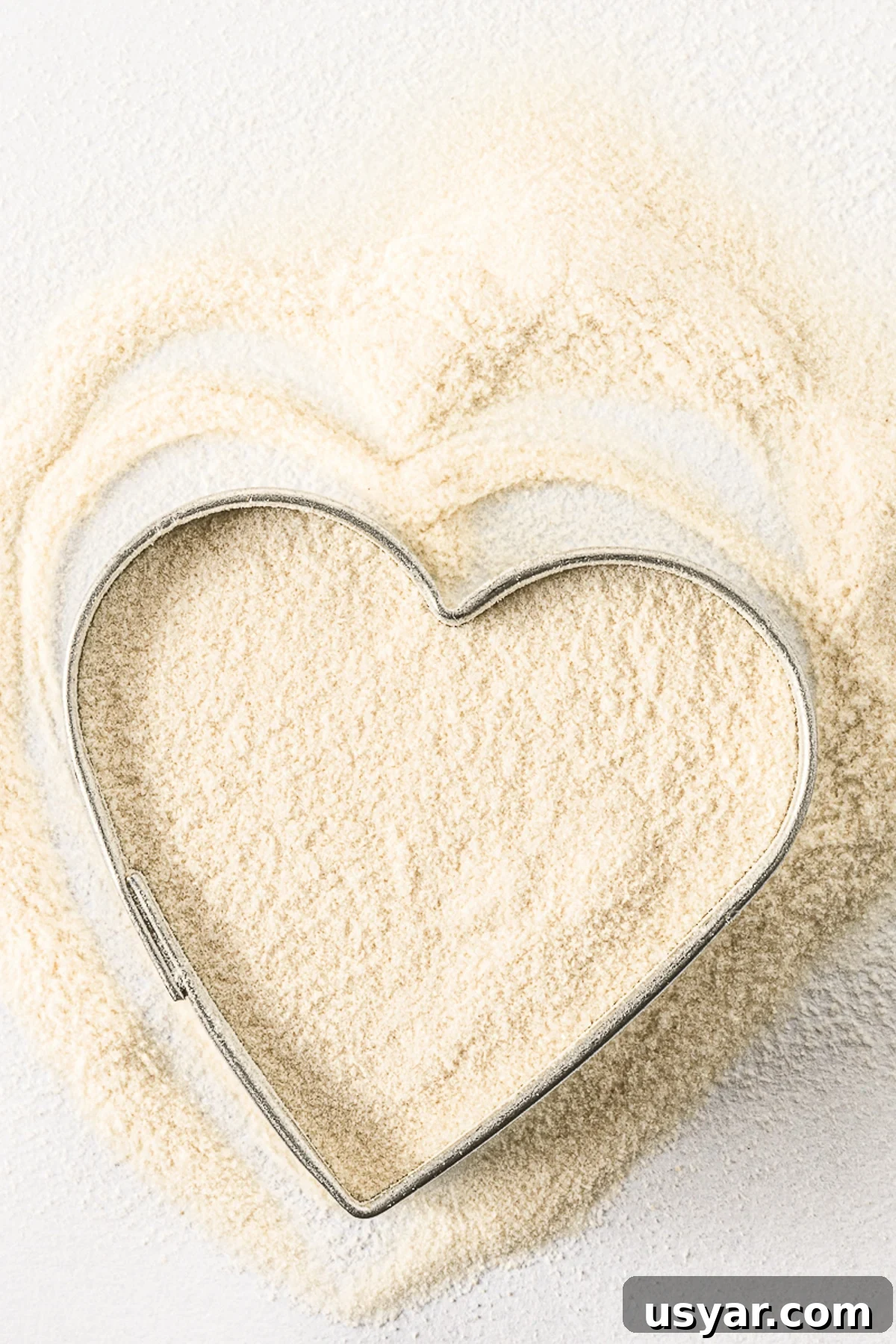
2. Spoon and sweep your dry ingredients
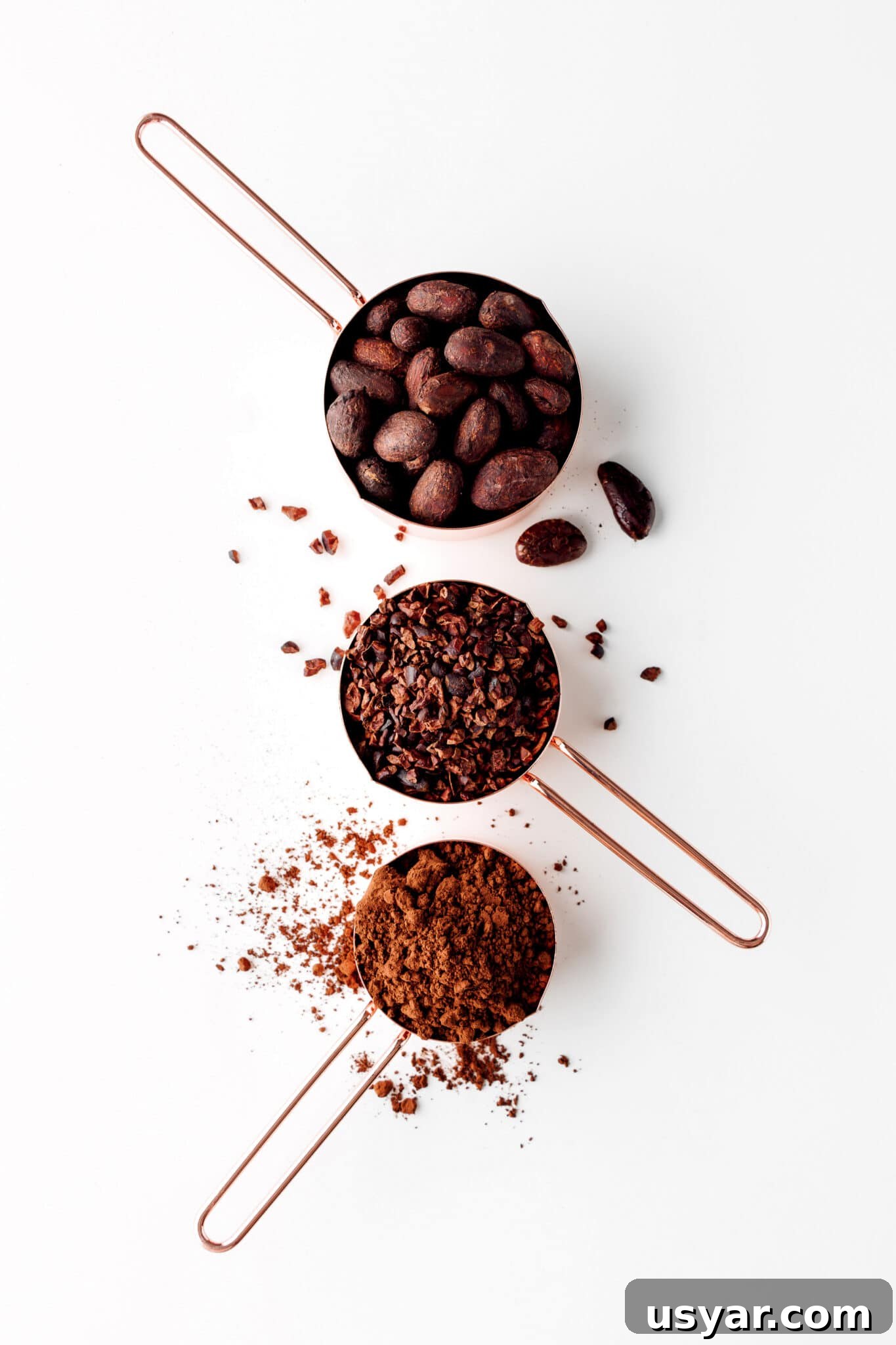
When measuring almond flour, coconut flour, cocoa, or powdered sweeteners, spoon the ingredient into the cup and level it off with a straight edge. Do not pack these ingredients down. Pressing or scooping directly from the bag compresses the flour and produces too much in volume-based measurements.
Spooning and sweeping gives you the intended quantity and improves the reliability of the recipe.
3. Always buy high-quality ingredients when possible
The quality of butter, milk, flours, and sweeteners affects both flavor and texture. If your budget allows, choose higher-quality versions of core ingredients. You’ll often notice a measurable difference in the finished product.
We maintain a pantry list of preferred low carb ingredients to guide choices in flour and sweetener brands used in our test kitchen.
Our Favorite Low Carb Flours and Sweeteners
For a consistent almond flour that doesn’t clump and performs well in baking, we recommend trying a high-quality brand we use frequently. Their coconut flour and sweeteners are also reliable and bake consistently.
4. Invest in great flavor enhancers
High-quality vanilla, a good cocoa powder, and fresh spices (cinnamon, nutmeg) elevate low carb desserts. Because many low carb recipes have a less pronounced base flavor than traditional recipes, concentrated flavorings can make a big difference.
Bakery emulsions and flavor oils are especially useful in keto baking. A small amount of a concentrated flavor oil adds pronounced flavor without adding carbs, and works particularly well in fruit-flavored or flavored-cream recipes. Favorites include maple, banana, strawberry, raspberry, blueberry, and even cookie butter emulsion.

5. Always sift your dry ingredients
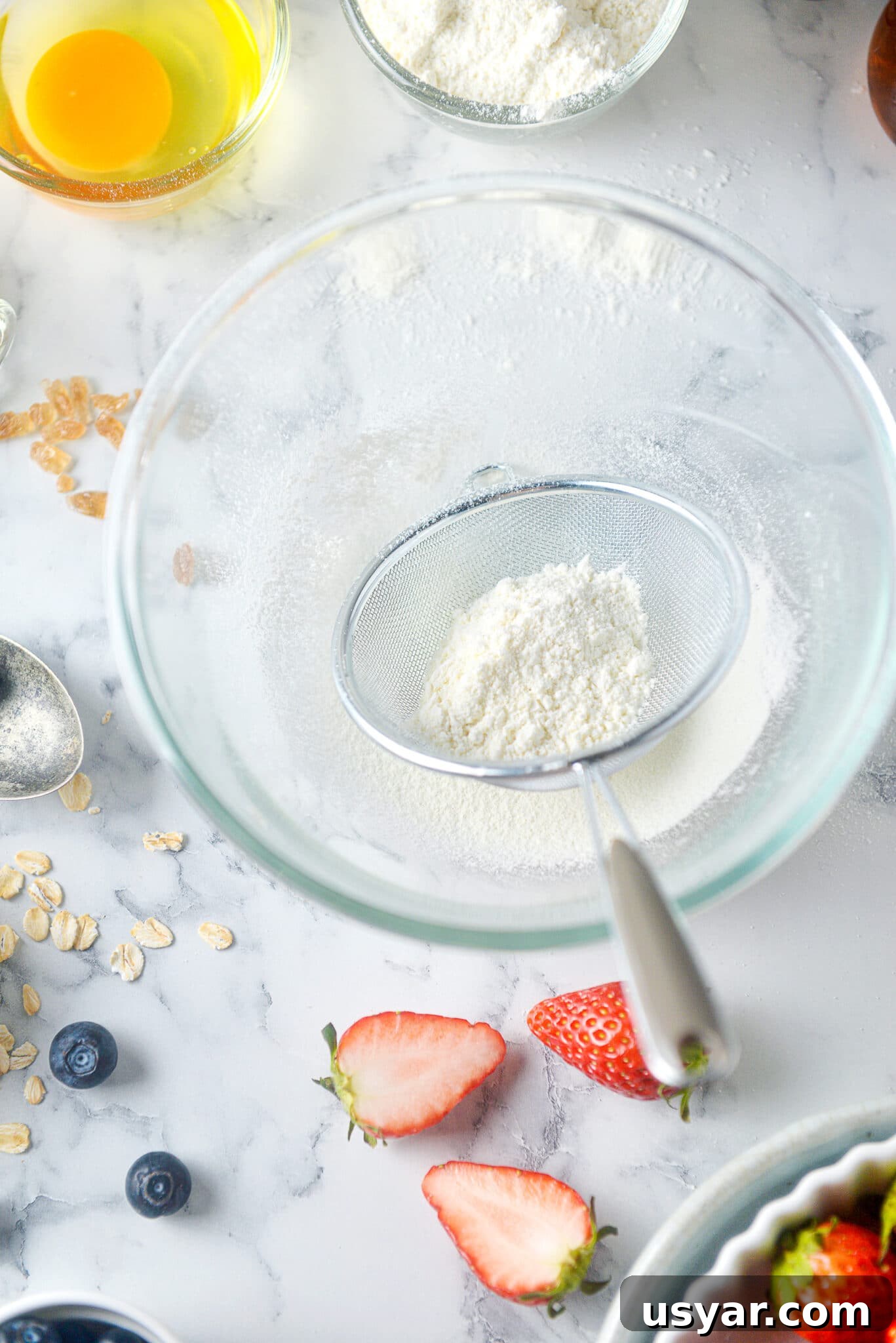
Sifting is critical with low carb flours and powdered sweeteners because they tend to clump. Lumps in dry ingredients can lead to overmixing as you try to incorporate them, producing a dense, heavy texture.
Sifting also aerates ingredients, helping leavening agents work more effectively so your baked goods achieve better lift. Always sift after measuring for the best results.
6. Don’t skip xanthan gum or other thickeners
Most low carb flours are gluten-free, so they lack the binding and elasticity gluten provides. Xanthan gum (or suitable substitutes) acts as a binder to mimic gluten’s texture and hold baked goods together.
If a recipe calls for xanthan gum, don’t omit it unless you have a proper substitute; otherwise the finished product may crumble or fail to hold structure. There are several acceptable substitutes—choose the one that best suits the recipe.
7. Read the recipe carefully before starting
Always read a recipe from start to finish before you begin. Low carb and gluten-free recipes often include specific sequences, timing, or techniques that are crucial for success. Preparing ahead helps you avoid surprises, such as missing an ingredient or discovering a timed step that requires quick action.
We include tips and troubleshooting information in our recipes so you can reproduce the results we achieve in our test kitchen—read them thoroughly.
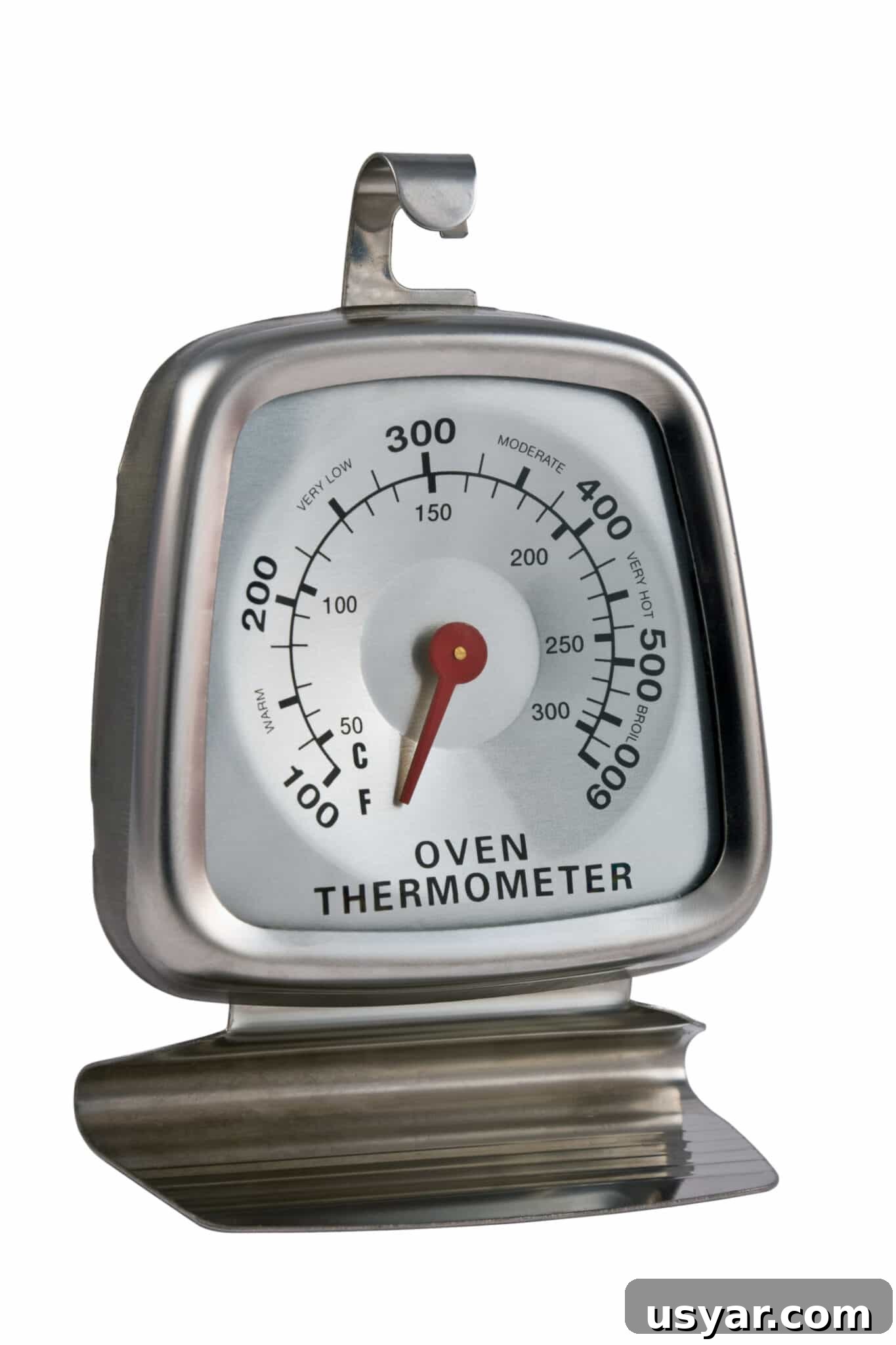
8. Invest in an oven thermometer
Oven temperature settings are not always exact. Thermometers help you verify actual oven temperature and avoid under- or over-baking. Small temperature differences can change bake time and moisture, especially with nut flours that brown quickly.
Use an oven thermometer to ensure consistent results, and learn your oven’s hot spots and calibration so you can compensate as needed.
9. Line your baking pans with parchment paper
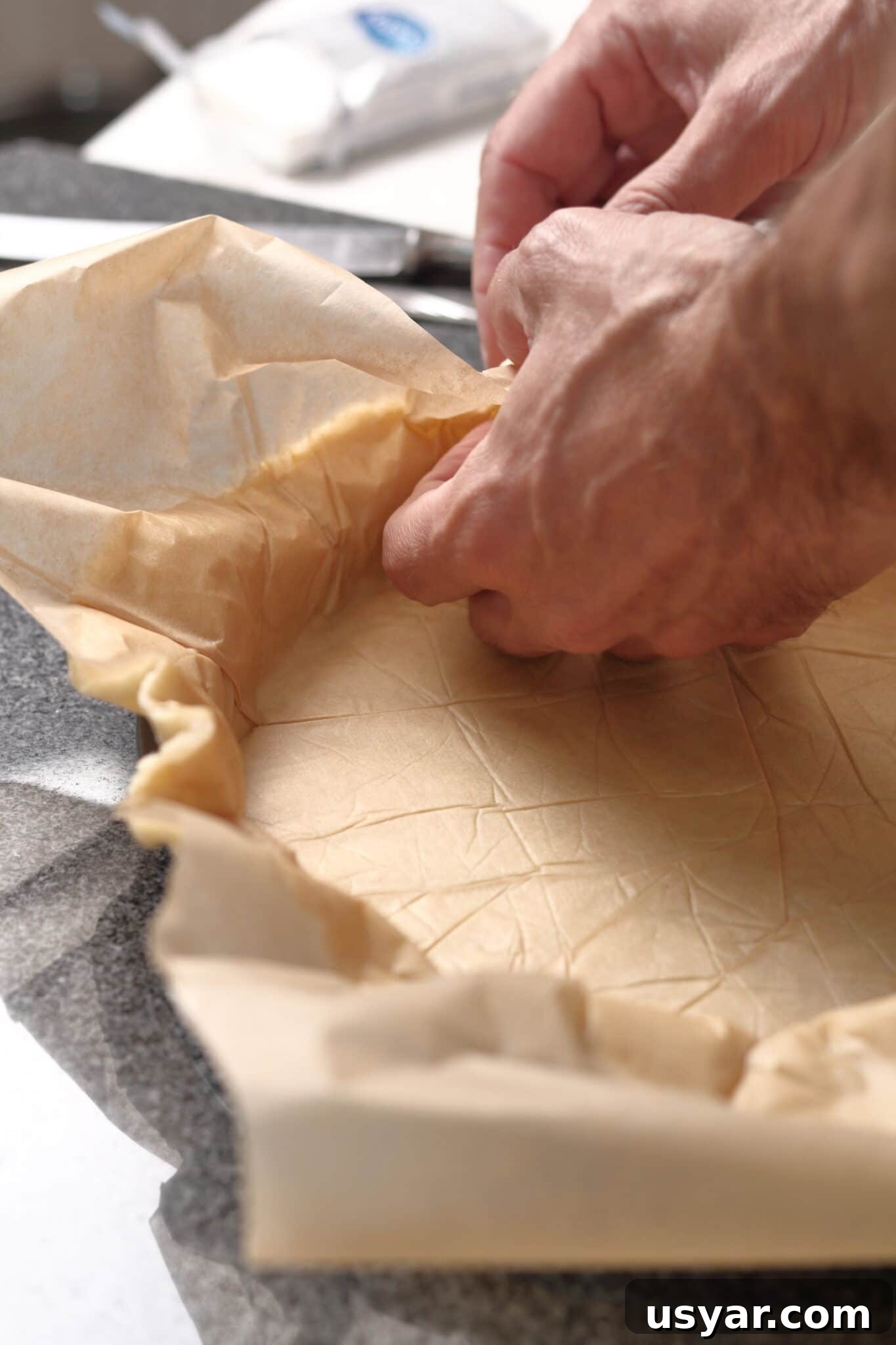
Line pans with parchment or use silicone mats to prevent sticking and to make cleanup easier. Low carb sweeteners and some flours can stick more than traditional recipes, so parchment is often preferable to greasing alone.
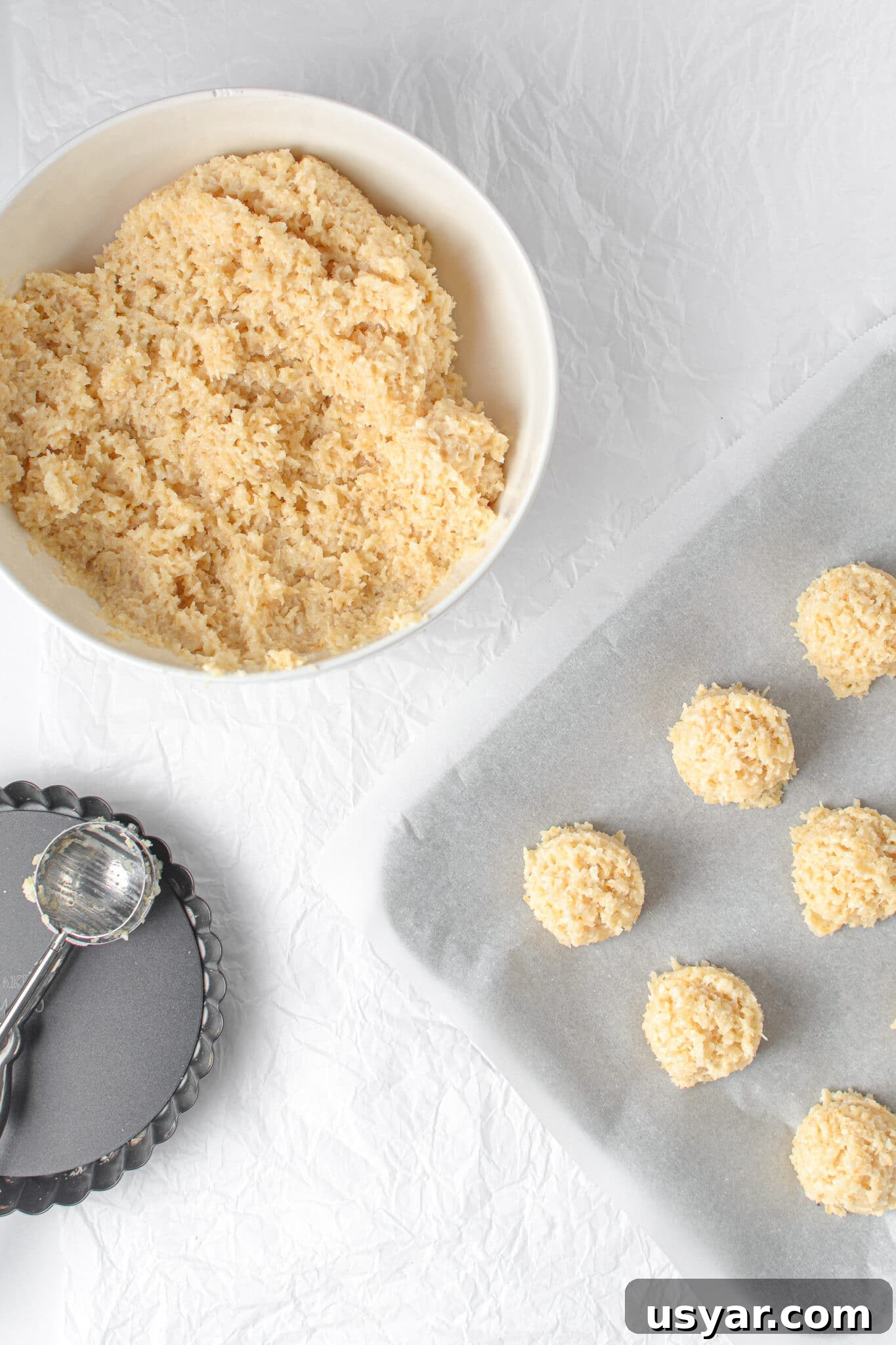
10. Don’t overwork doughs and batters
Overmixing can give nut-based batters a tough texture and interfere with leavening. Mix just until ingredients are combined and follow timing recommendations in recipes to preserve lightness and rise.
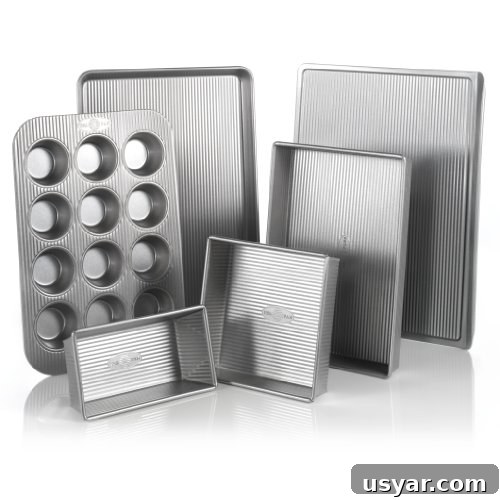
11. Use heavy-duty pans or wrap pans in foil
Nut flours and some sweeteners brown quickly. Heavy-duty commercial pans distribute heat more evenly and reduce over-browning. If you don’t have heavy pans, loosely tent a piece of foil over quickly browning tops to prevent burning while allowing the center to finish baking.
Over-baked almond and coconut flours can taste bitter; monitoring color and adjusting insulation helps avoid that off-flavor.
.
12. Use unsalted butter
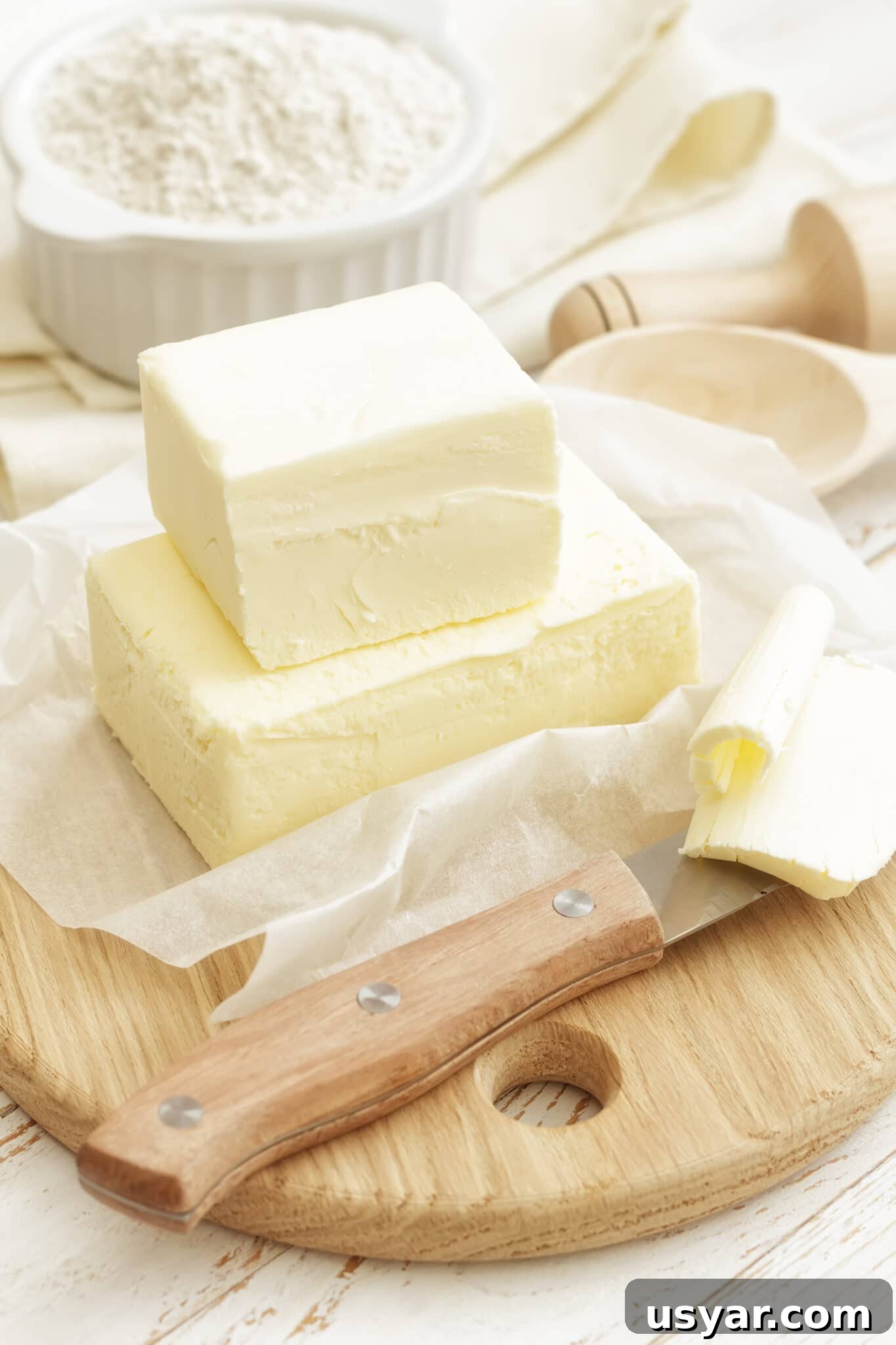
When recipes list “butter” without specifying, we use unsalted butter. It lets you control the salt level in the final product and avoids unexpected flavor differences between batches. Unsalted butter is also slightly sweeter, which is often desirable in desserts.
13. Keep the oven closed
Resist opening the oven while baking. Every opening lets heat escape and can interrupt the rise of delicate low carb cakes and soufflés. Nut-based batters need steady heat so leavening agents can do their work; a sudden temperature drop can cause a collapse or dense texture.
14. Use wet hands or parchment to handle sticky dough
When working with sticky doughs, lightly wet your hands or use parchment as a barrier to shape and portion without sticking. This simple trick keeps your hands cleaner and makes shaping easier.
15. Prep the pan before you start
Many recipes include a short window to transfer batter to the pan and get it into the oven. Have pans lined, greased, or prepared before you begin baking so you don’t lose time when the batter is ready to bake.
16. Use room-temperature ingredients
Room-temperature eggs, butter, and dairy combine more smoothly than cold ingredients. Cold eggs added to warm butter, for example, can seize the butter and create a lumpy, uneven batter. If you forget to take eggs out, place them in a bowl of warm water for a few minutes to bring them up to temperature quickly.
17. Mise en place — measure everything before you start
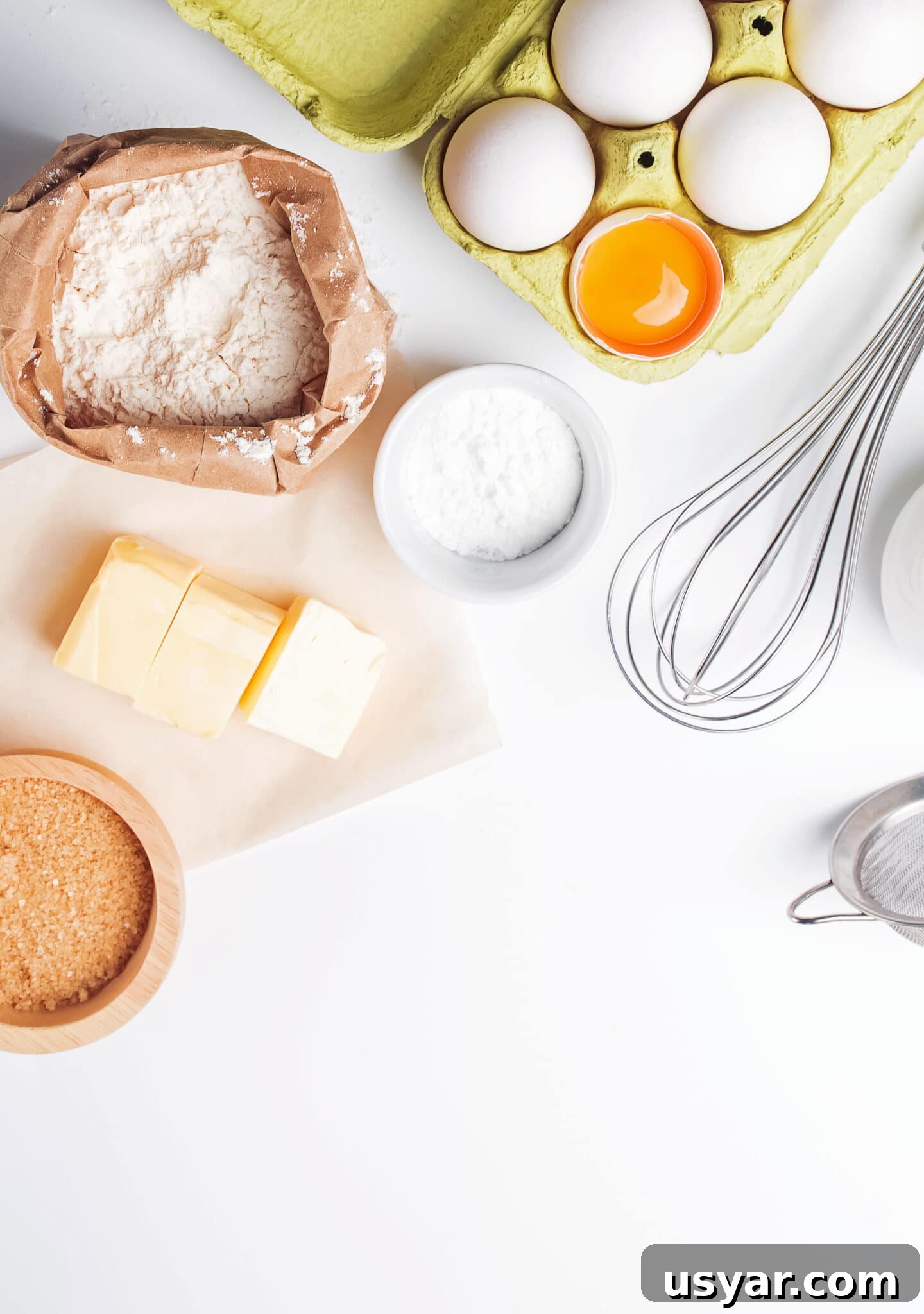
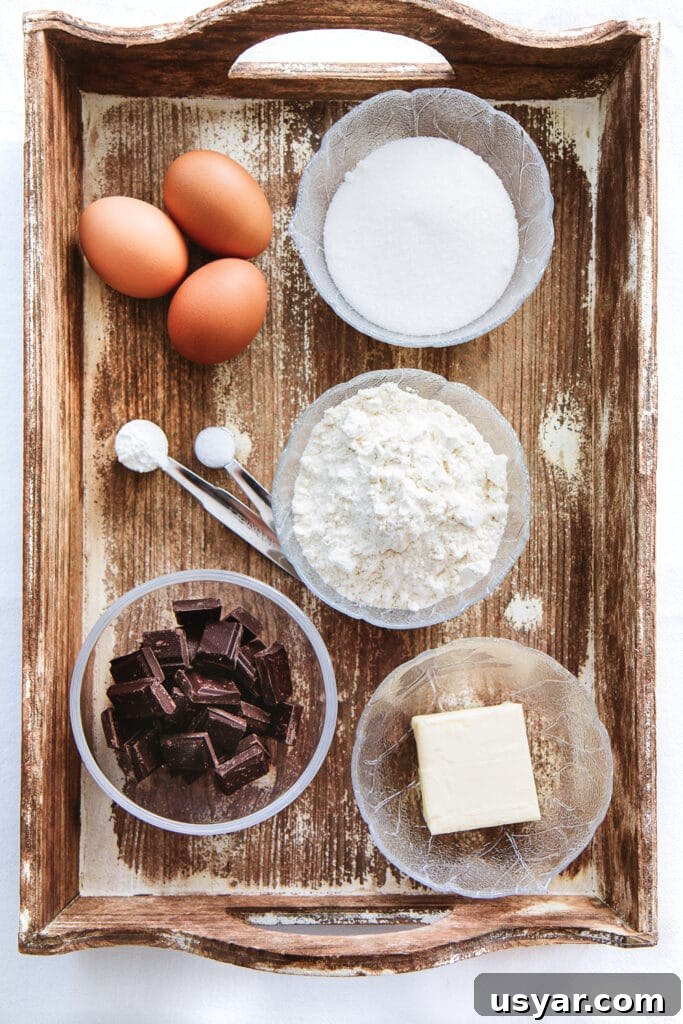
Mise en place, a professional kitchen habit, means having all ingredients measured and ready. It prevents mistakes and ensures timely additions during critical steps, such as melting sugar or whipping egg whites. With expensive low carb ingredients, preparing ahead avoids wasted batches caused by forgotten items or missed steps.
Measure and arrange ingredients in small bowls so they’re ready when called for in the recipe.
All the Best Gluten-Free Baking Tips + More
These tips cover the most common pitfalls and best practices for low carb and gluten-free baking. Following them will improve texture, flavor, and reliability in your desserts.
If you’d like to dig deeper into specific ingredients and techniques, consider guides on baking with almond flour, coconut flour, or on sweeteners such as allulose, erythritol, and monk fruit. Practicing these fundamentals will help you apply techniques across many recipes.
If you try a tip that makes a big difference for you, or if you have a technique we’ve missed, please leave a comment—we love feedback and practical suggestions from other bakers.