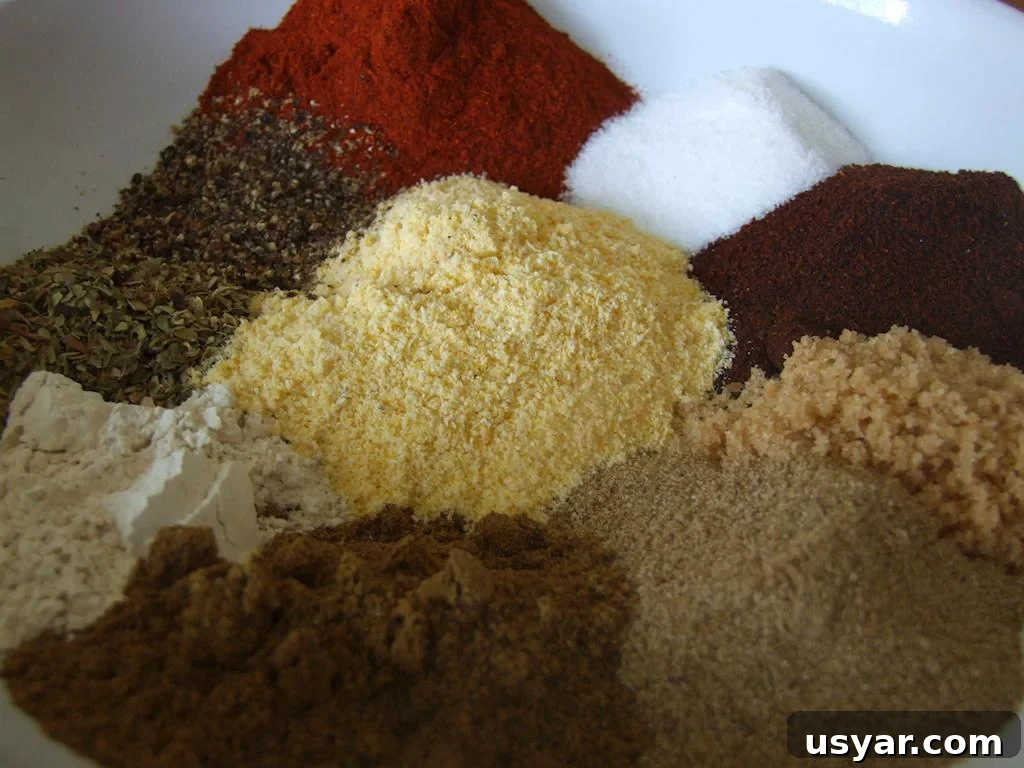
Dry rubs are a simple, effective way to add flavor and color to grilled or roasted meats, and I’ve happily adopted the practice from American — especially Texan — barbecue traditions. A dry rub is a blend of spices and seasonings that you rub onto raw meat before cooking to create flavor and caramelisation on the surface. Unlike most marinades, traditional dry rubs don’t rely on liquids to penetrate meat, though some commercial blends include enzymatic tenderizers that can mimic part of a marinade’s effect.
Stewies Dry Rub for Grub
When I first started using dry rubs I bought a ready-made mix that contained papain, an enzyme from papaya that helps break down protein and give a tenderising effect. That blend worked well across chicken, beef, pork, fish and even vegetables, and encouraged me to experiment with my own mix. Nowadays I use a homemade everyday rub that retains an enzymatic tenderiser but relies mainly on spices for its flavor profile. Because papain was sometimes difficult to source, I substitute bromelain (an enzyme from pineapple), which performs similarly by loosening protein bonds and helping meat become more tender during cooking.
My rub contains a generous amount of spices, but when applied correctly it offers a balanced, subtle seasoning that enhances the meat rather than overwhelming it. The sugar helps develop a sweet caramelised crust, while the paprika, chili and cumin provide depth and a hint of warmth. The coarse cornmeal gives texture and helps the rub adhere to the meat for a satisfying crust after grilling or roasting.
Stewie’s Dry Rub for Grub
- 8 tbsp Hungarian paprika
- 4 tbsp Salted meat tenderizer (Bromelain)
- 4 tbsp Chili powder
- 4 tbsp Packed brown sugar
- 4 tbsp Celery salt
- 4 tbsp Ground Cumin
- 4 tbsp Garlic powder
- 4 tbsp Ground black pepper
- 4 tbsp Oregano
- 4 tbsp Coarse cornmeal
Store the mixed rub in an airtight container in a cool, dry place. Give the jar a shake before each use to redistribute any settled ingredients.
Dry Rub Ingredients
Application is straightforward: pat the meat dry with paper towels, then sprinkle or rub the seasoning evenly over the surface. For best results, apply the rub a couple of hours before cooking so the spices have time to adhere and the enzymatic tenderiser can begin working. For thicker cuts or roasts, you can apply the rub and refrigerate overnight; let the meat come back toward room temperature before it goes on the grill or into the oven.
This rub is versatile across cooking methods — direct grilling, smoking, oven roasting, or broiling — but keep in mind that the sugar content will speed browning and can burn over very high, direct heat. For long, slow cooks such as smoking or slow-roasting ribs and briskets, consider using indirect heat or a lower flame to allow the rub to develop a deep crust without charring.
Adjust the blend to match your taste: reduce the chili powder for a milder profile, increase the brown sugar for more sweetness and a darker glaze, or replace the cornmeal with fine polenta or breadcrumbs if you prefer a different texture. If you don’t want a tenderiser in the mix, simply omit the bromelain and use the rub purely for seasoning.
Use liberally on chicken, pork, beef and even firm-fleshed fish or vegetables. For poultry and thin cuts, a shorter rest of an hour or two is usually fine; for larger roasts and tougher cuts, longer resting times allow the rub to penetrate and the enzymes to do more work. When cooking, monitor crust development and adjust heat as needed to avoid over-browning.
Because the components are dry, this rub keeps well and is a handy staple for everyday grilling and barbecuing. Make a larger batch to store in a sealed jar so you always have a ready-made seasoning blend for quick weeknight dinners or weekend barbecues. The combination of paprika, cumin, garlic and brown sugar creates a balanced base that enhances a wide range of dishes while the bromelain provides a gentle tenderising boost when you want it.