A Chef Will Never Say….
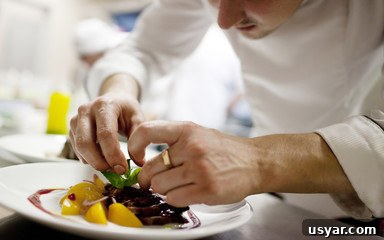
Chef
Anyone who has worked in a professional kitchen knows there are certain things a chef would never say out loud. These phrases, often offered with a wink, highlight the discipline, standards, and sometimes the stubbornness that come with cooking for others. Below is a refreshed, natural-language version of those lines—short, direct, and true to kitchen reality.
“Go ahead and use that dull knife.”
“It’s fine if the water isn’t boiling—just throw the pasta in.”
“I really have nothing but respect for the front-of-house staff.”
“No thanks, I don’t drink—ever.”
“Sure, use the canned salmon, no problem.”
“I aim to be in bed by 8 PM every night.”
“No need to season that sauce.”
“I don’t smoke.”
“I don’t want my name on my jacket; I prefer to stay anonymous.”
“That’s way too much butter.”
“Feel free to use my knives whenever you want.”
“I can’t stand caviar or truffles.”
“That food will be perfectly fine sitting in the window for another five minutes.”
“I never notice or look at the servers that work with me.”
“I love when diners ask for their sauce on the side.”
“I’m happy to go out and deal with that customer for you.”
“More potato starch and cornstarch, please.”
“I don’t believe in serving or preparing veal.”
“Feel free to use my office whenever you need it.”
“I’m calm, cool, and perfectly collected at all times.”
“I would never throw anything in the kitchen.”
“Don’t season that meat before you put it on the grill.”
“Please use skim milk instead of heavy cream.”
“Duck confit tastes awful.”
“Foie gras is unacceptable here.”
“You can substitute vegetable oil for extra virgin olive oil.”
“Please feel free to give me advice on the new menu.”
These lines are intentionally blunt and a little tongue-in-cheek. The point is not to single out any one method or taste, but to capture the standards and instincts that experienced cooks develop. A chef’s language reflects a commitment to tools, technique, timing, and respect for ingredients and colleagues. Saying you’ll use a dull knife or skip seasoning betrays compromises that can affect quality and safety. Suggesting shortcuts like canned ingredients or improper substitutions undermines the care that goes into consistent, professional cooking.
Professional kitchens also come with a culture. Some lines here highlight the realities of that environment—long hours, pride in one’s equipment and creations, and a sometimes gruff sense of humor about front-of-house dynamics. Comments about not wanting public recognition, or claiming to be perpetually composed, are part of that persona; in practice, most chefs take pride in their work and guard their standards closely.
If you have any phrases to add or want to share a favorite kitchen pet peeve, let me know—this list grows every time cooks trade stories.
Happy Cooking,
Chef Chuck Kerber