Beautiful custom cakes made by talented cake designers — and yes, you can learn to make your own. Below are tips, inspiration, and ideas to help you get started with custom cake decorating.
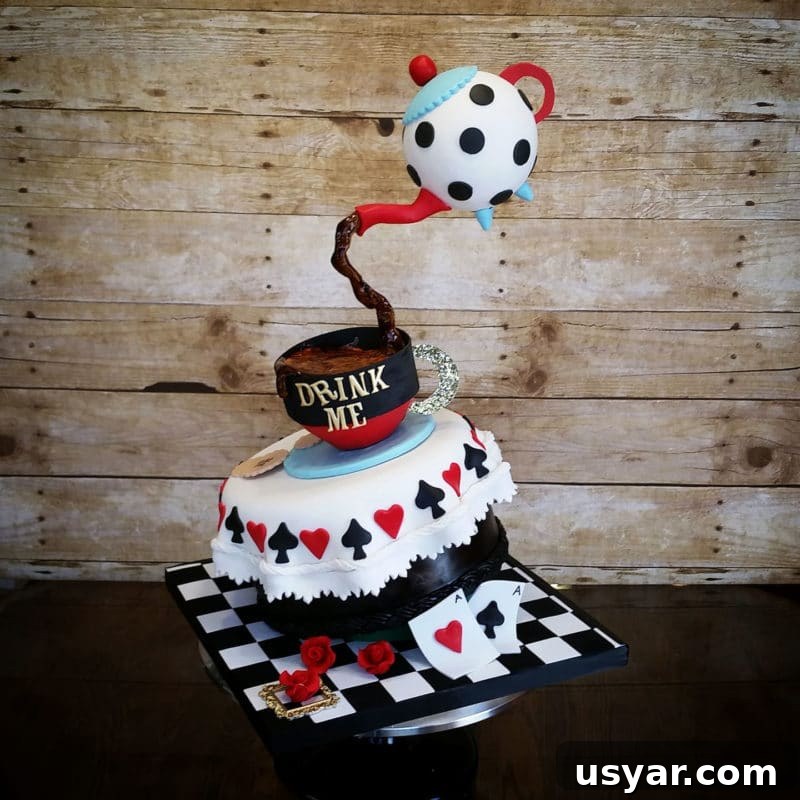
My wedding cake ended up lopsided — not in the whimsical, intentional way of the Alice in Wonderland cake above, but truly leaning and uneven. It was a reminder: when it matters, hire a professional for a custom cake. A well-made wedding cake is worth the investment.
I’ve always admired designer cakes, though I’ve never considered myself a natural cake decorator. I can make dishes look amazing, but cakes are a different skill set. Still, I’m inspired to try. With the right tutorials and practice, anyone can improve their cake-decorating skills.
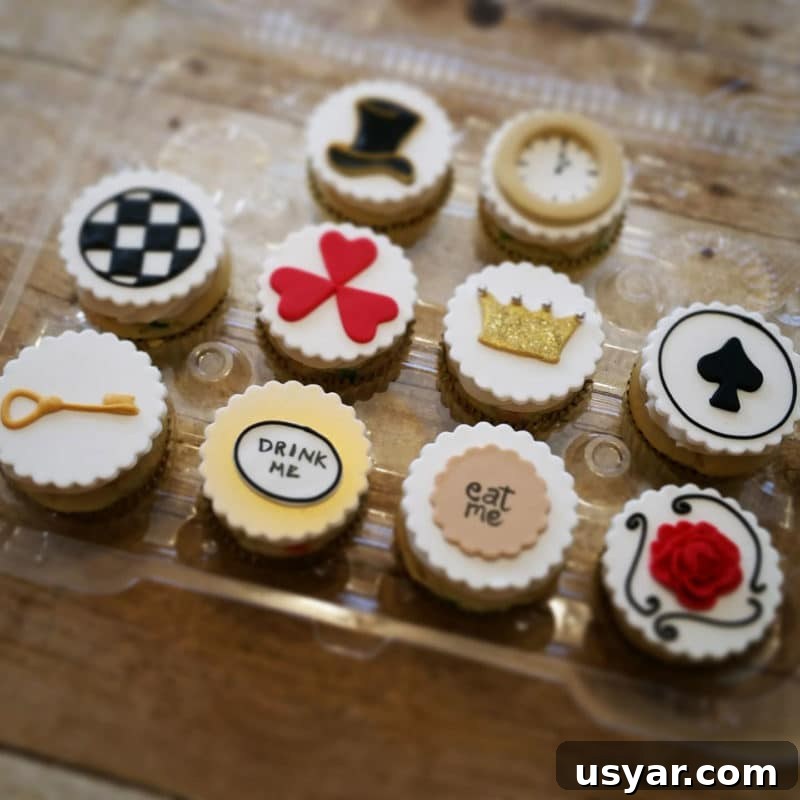
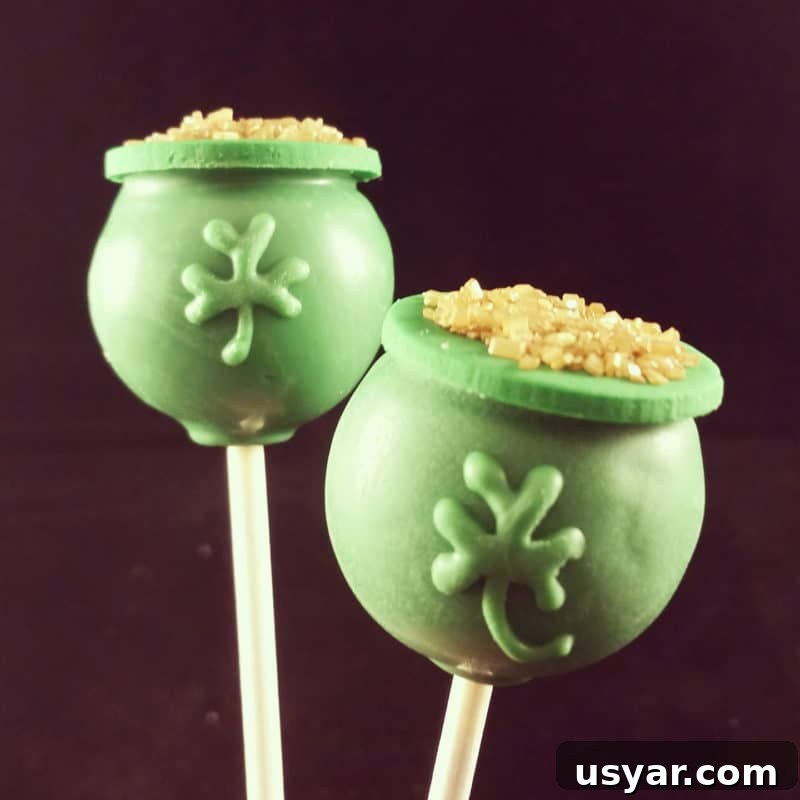
One of my oldest friends, Lenneke Lyon, has been creating spectacular custom cakes for years. Her Alice in Wonderland cake and matching cupcakes are a perfect example of artistic cake design. Lenneke owns Cedar City Cakes in the greater Nashville area and makes incredibly detailed, professional work — the kind of cakes worth hiring a specialist for.
Recently I read an excellent piece titled “Why Are Wedding Cakes So Expensive,” which explains the time, materials, skill, and planning that go into custom cakes. Cake design is an art form, and professional designers charge for expertise, reliability, and a finished product that looks and tastes exceptional. If you want a stunning cake for a wedding or special event, understanding that value makes it easier to choose the right baker.
To encourage and inspire readers, I’m sharing work from several talented bakers and cake-makers, plus links to approachable tutorials and projects. Whether you plan to hire a professional or try making a custom cake yourself, these examples will help you decide what’s possible and where to begin.
Cedar City Cakes – Lenneke Lyon
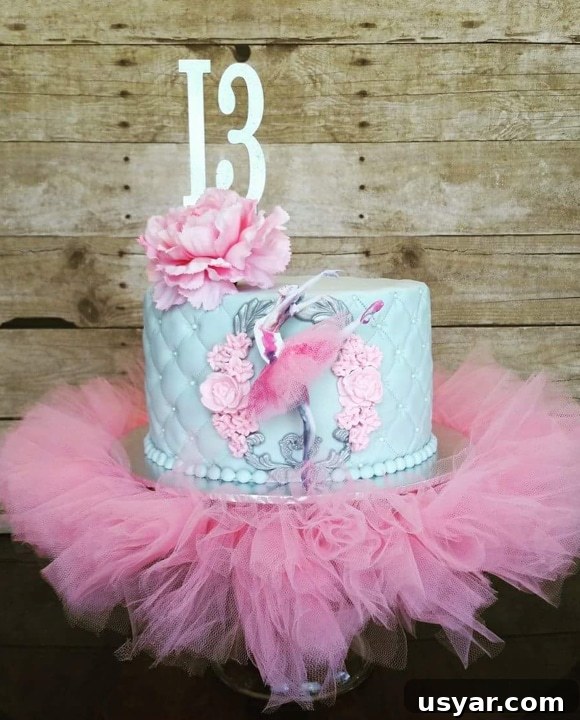
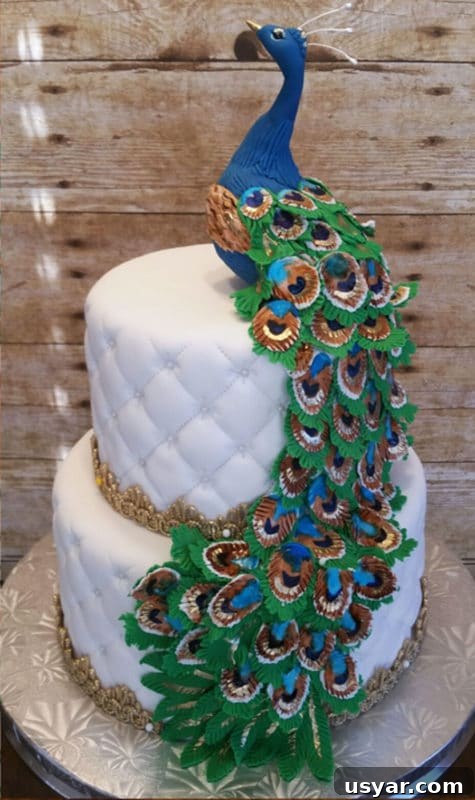
All of the cakes at the start of this post are credited to Lenneke. If you’re local to Nashville, she’s a fantastic resource for custom cakes. I’ve known her since high school and watched her artistic skills develop over the years — she’s truly gifted at translating ideas into edible art.
Watercolor Fondant Cake
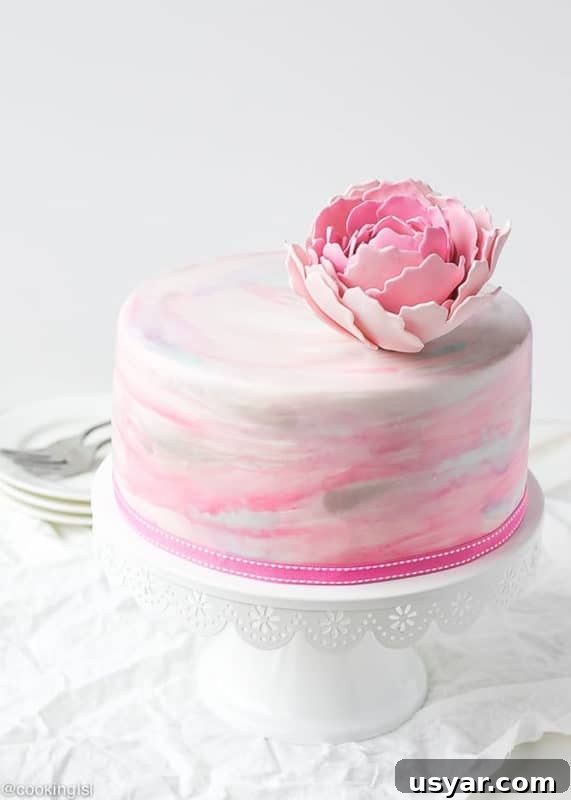
This pink watercolor-style fondant cake layers chocolate cake brushed with raspberry syrup and is finished with homemade chocolate whipped cream and hand-painted fondant. The baker describes these creations as crafts and uses tutorials to learn techniques. That’s the encouraging part: many beautiful cakes begin with watching a few targeted videos and practicing basic techniques like fondant smoothing and edible painting.
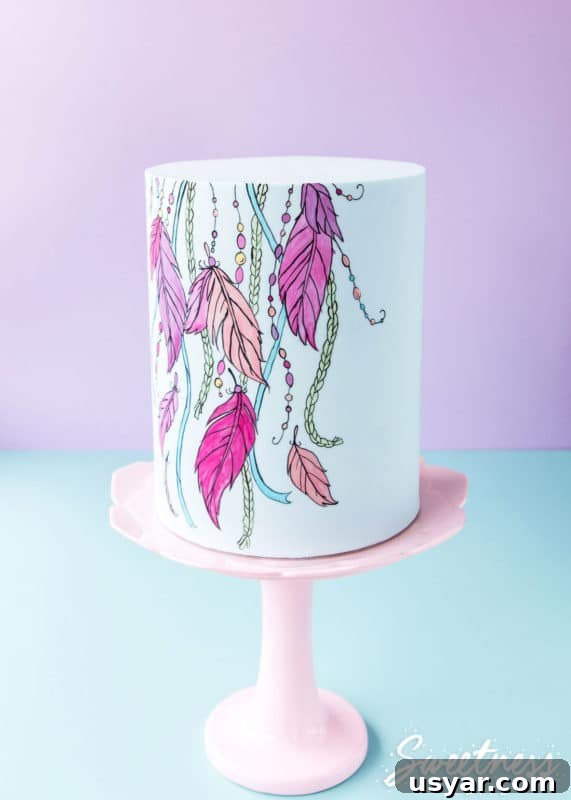
Hand-Painted Boho Cake
This style is great for beginners and kids alike. The process is straightforward: cover the cake in fondant, let it set, then transfer a design and paint with edible colors. It’s essentially paint-by-number on fondant and produces striking, modern results without needing advanced sculpting skills. If you’re nervous about piping or molding, hand-painting is an accessible way to make a custom cake look professional.
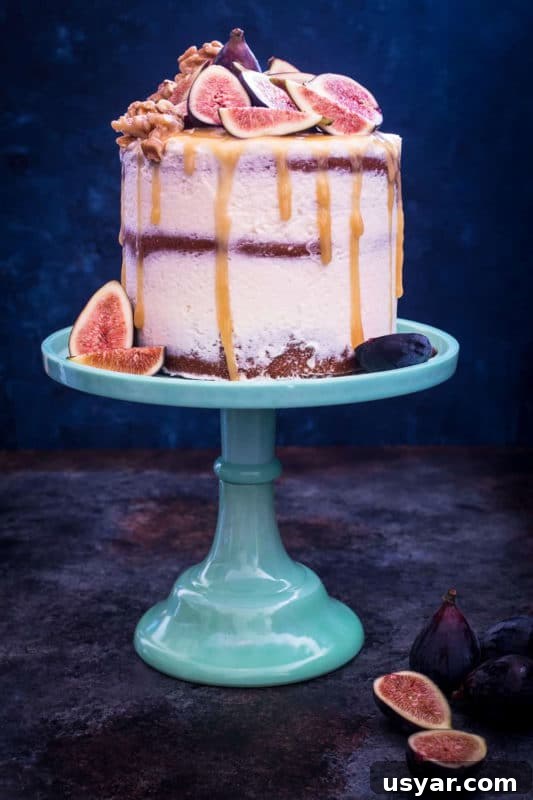
Honey Walnut Fig Cake
This cake is moist and flavorful thanks to honey and a mix of walnut and all-purpose flour. It’s finished with a mascarpone buttercream and fig jam, with caramel drizzle for extra richness. The recipe is approachable, and because it’s naturally dense and flavorful, it’s forgiving for less experienced bakers trying a multi-layer cake for the first time.
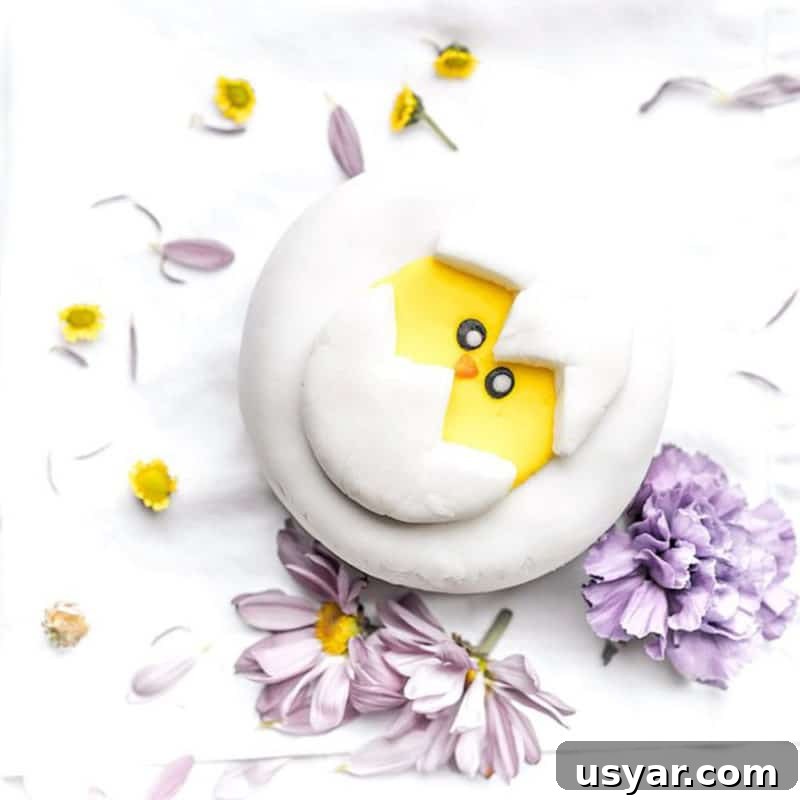
Fondant Easter Chick Mini Cake
Mini cakes are perfect beginner projects. This adorable gluten-free Easter chick uses fondant but on a much smaller scale, making the techniques less intimidating. Starting with a mini or single-tier cake helps you practice smoothing, covering, and small fondant details without committing to a large celebration cake.
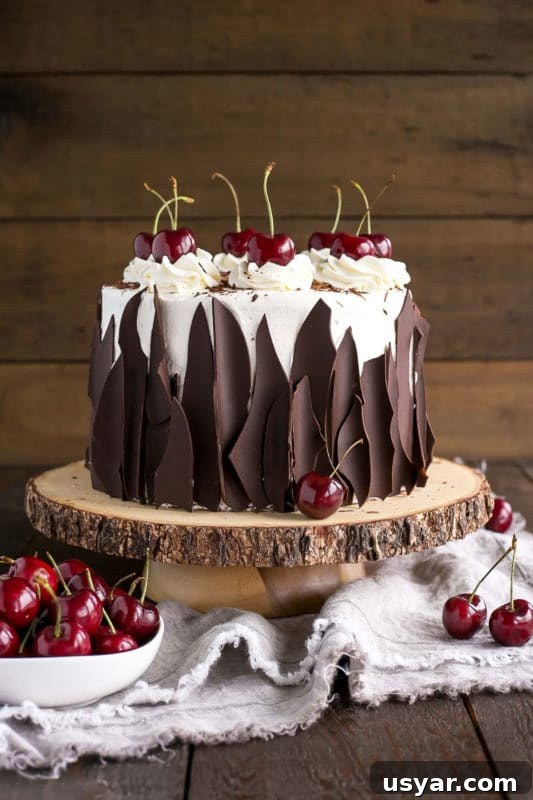
Black Forest Cake
This classic looks elegant: chocolate layers, whipped cream, cherries, and chocolate bark. The dramatic appearance belies many simple techniques. If you can make a stable layered cake and a few decorative elements like chocolate shards, you can recreate this impressive result. It’s a great next-step project after mastering basic layer assembly and crumb coating.
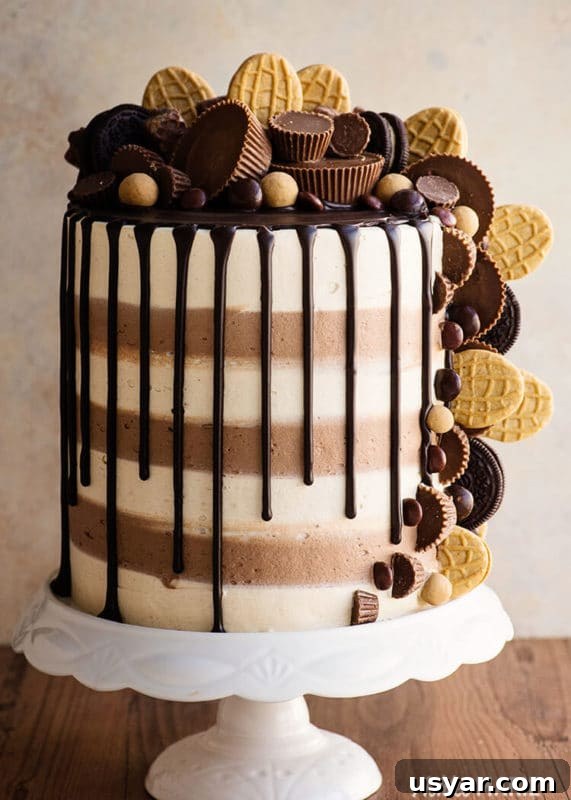
Triple Peanut Butter Cake
If you want a challenge, a layered peanut butter cake with multiple fillings and decorative toppers delivers on decadence and visual impact. Advanced recipes often include step-by-step videos that guide you through assembly, ganache drips, and topping placement. Tackle these once you’re comfortable with basics.
Custom Cake Tutorials — Start Practicing
There are many tutorial-driven baker blogs and videos that break down cake projects into manageable steps. Look for tutorials that include both written instructions and videos, since visual guidance makes techniques like covering with fondant, piping, and creating drips much easier to learn. Start with simple shapes and small cakes, then build up to multi-tiered or highly decorated designs.
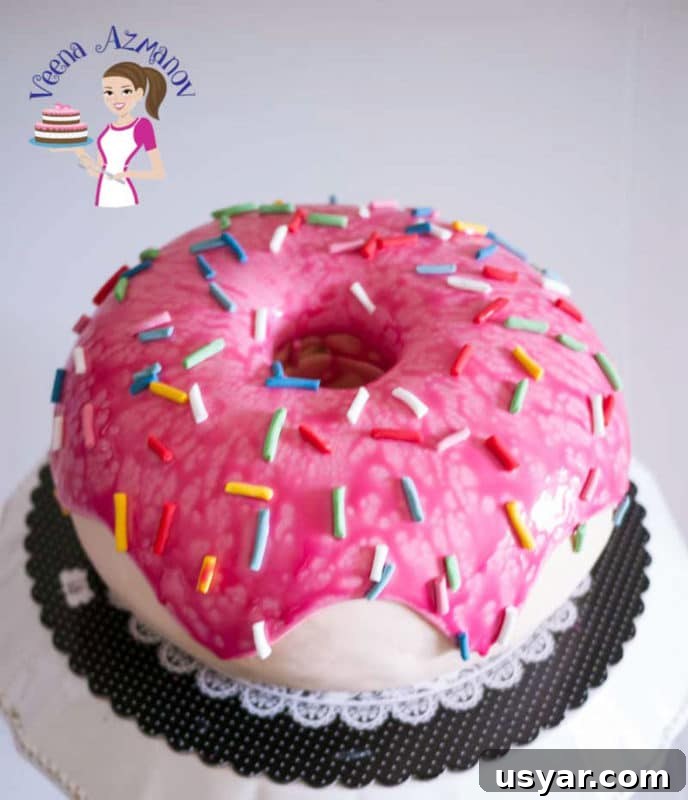
There are also many helpful cake-decorating tutorials aimed at beginners and the “piping challenged.” These resources demystify tools, teach basic buttercream techniques, and demonstrate how to pipe borders, rosettes, and simple flowers. If a baker you admire has competition or professional experience, their tips are often practical and polished.
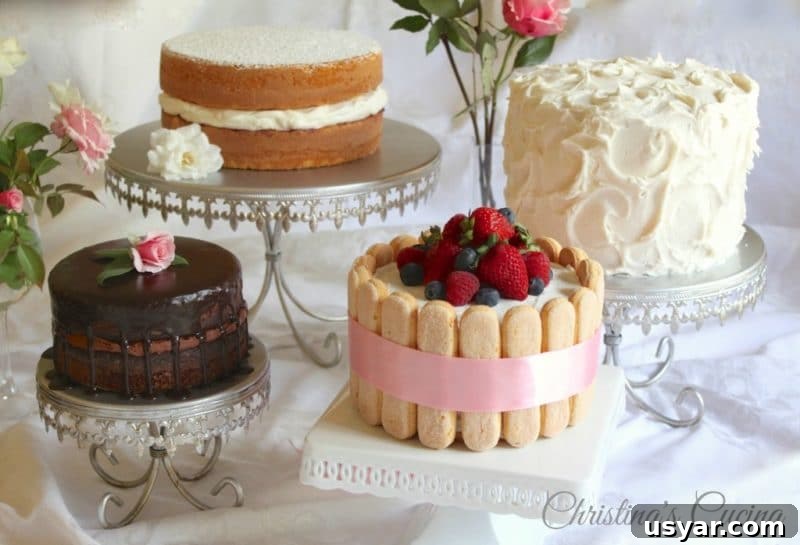
After exploring these cakes and tutorials, I feel much more confident and excited to try my first custom cake. It may not be perfect, but practice is how every cake designer started. I’ll share my results when I attempt my first design — wish me luck!
Which of these cakes inspires you to step out of your comfort zone and try something new? I’d love to hear which design you plan to attempt and how it goes.
Until then — happy custom cake making!
Did you love this post? Share it with your favorite cake, dessert, and sweets boards on Pinterest!