I spend a lot of time in the kitchen. Even when I’m not participating in a challenge like October #Unprocessed, I make many staples from scratch—yogurt being one of my favorites.
I’m a little pushy about making your own yogurt because it’s simple, economical, and delicious. If you try it once, you’ll see why I recommend it so often. My family of four goes through a gallon or two of homemade yogurt each week, and making it at home saves a significant amount compared to buying tubs at the store.
With milk at roughly $3 per gallon and 32-ounce tubs of plain yogurt often costing $2–3, I estimate saving around $600–800 per year by making our own yogurt. Beyond the savings, I like knowing my children are getting healthful probiotics, especially during cold and flu season.
Each batch takes only about 17 minutes of hands-on time, broken into a few simple steps. Below is my straightforward, reliable method for making creamy homemade yogurt in jars.
The basic steps of yogurt-making…
…are easier than making cookies:
- Heat the milk to sterilize (about 185°F).
- Cool to the proper incubation temperature (around 110°F is typical).
- Add starter (a couple of tablespoons of plain yogurt with live cultures).
- Incubate the jars in a warm environment for 4–24 hours depending on how tart you want the yogurt.
Supplies
- Glass jars (quart canning jars or clean recycled jars from condiments work well).
- Milk of your choice (whole milk yields richer yogurt; skim will be thin unless you add powdered milk).
- Candy thermometer (optional—there are sensory ways to tell temperatures if you don’t have one).
- A pot large enough to hold the jars and some water around them.
- About 2 tablespoons of plain yogurt with live and active cultures per quart of milk to use as starter.
- A picnic cooler or other insulated container for incubating the jars.
- A bath or beach towel to help insulate the jars while incubating.
- A timer to track heating and incubation times.
Method
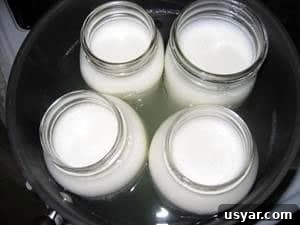
1. Place a clean dishcloth or towel in the bottom of a large pot and set your clean jars on top of it. This keeps the jars from touching the hot bottom directly.
2. Pour milk into each jar, leaving about an inch of headspace at the top.
3. Arrange the jars in the pot and pour tap water into the pot so the water comes partway up the sides of the jars.
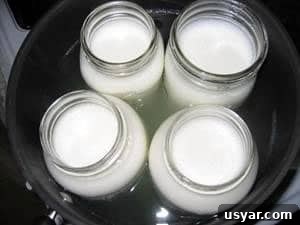
4. Heat the pot on high until the water and the jars bring the milk to a gentle boil and the milk reaches around 185°F. This step helps to sterilize the milk and improve texture. Turn off the heat and put the lids on the jars.
5. Transfer the pot into your picnic cooler. Place the towel underneath the pot and close the lids of both the pot and the cooler. This captures residual heat and begins the cooling process.
6. Allow the milk to cool until it reaches incubation temperature. You can cool on the counter, in a cool garage during colder months, or in a sink with cold water and ice packs to speed things up.
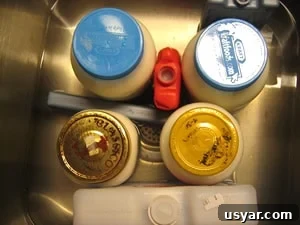
7. Aim for about 110°F for adding your starter. One simple test is that the jars should be warm but comfortable to hold without burning your hands.
8. Stir in roughly 2 tablespoons of plain yogurt per quart of milk. Use a small amount of the cooled milk to temper the starter if you prefer, then stir it back into the jars for even distribution.
9. Put the lids back on the jars and nestle them back into the cooler. Wrap them in the towel to help maintain heat. Leaving the pot lid off for a moment will release any trapped heat before closing the cooler lid to preserve a consistent incubating temperature.
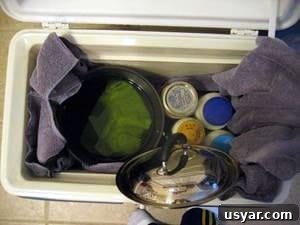
Jars snugly nestled in the cooler, wrapped in a towel and ready to incubate.
10. Incubate for 4–24 hours. Shorter times yield milder, sweeter yogurt; longer times produce a tangier result. I’ve had good results at both 4 hours and at 24 hours. If you plan a full 24-hour incubation, adding a teapot of boiling water halfway through can help maintain warmth and further reduce lactose.
11. When incubation is complete, chill the jars. Placing them in the freezer for about an hour before refrigerating helps achieve a creamier texture, but if you don’t have freezer space you can chill them directly in the fridge. Don’t stir before chilling to preserve the set texture.
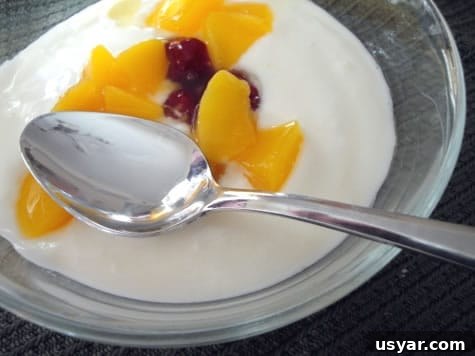
That’s it—you’ve made yogurt. Once chilled, enjoy it plain or with minimal sweetener and toppings of your choice.
More information and tips
- If you want more step-by-step detail, look for a full tutorial on making homemade yogurt that covers troubleshooting and variations.
- Some people use slow cookers or yogurt makers for incubation; this cooler-and-towel method works well and keeps cleanup simple.
- To make a thicker, cream-cheese-like product, you can strain the yogurt through cheesecloth to remove whey and concentrate the solids.
- Homemade yogurt is versatile—use it in recipes, dressings, marinades, or enjoy it plain with fruit and nuts.
- For less-sweet eating, try these small changes: add fresh fruit, cinnamon, or a dash of vanilla instead of large amounts of sugar.