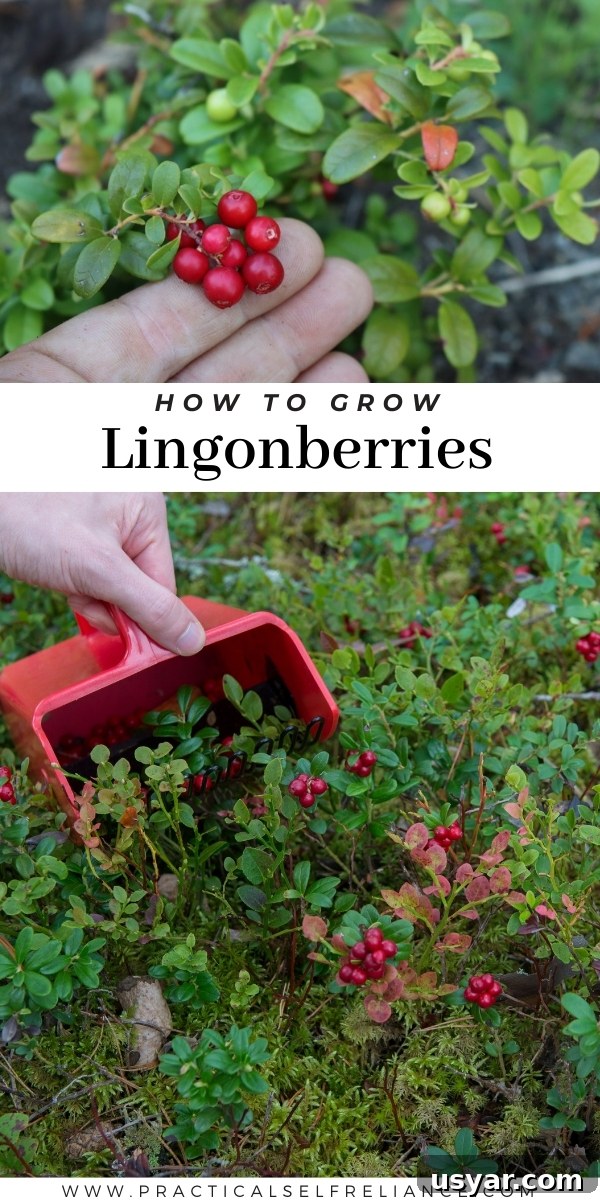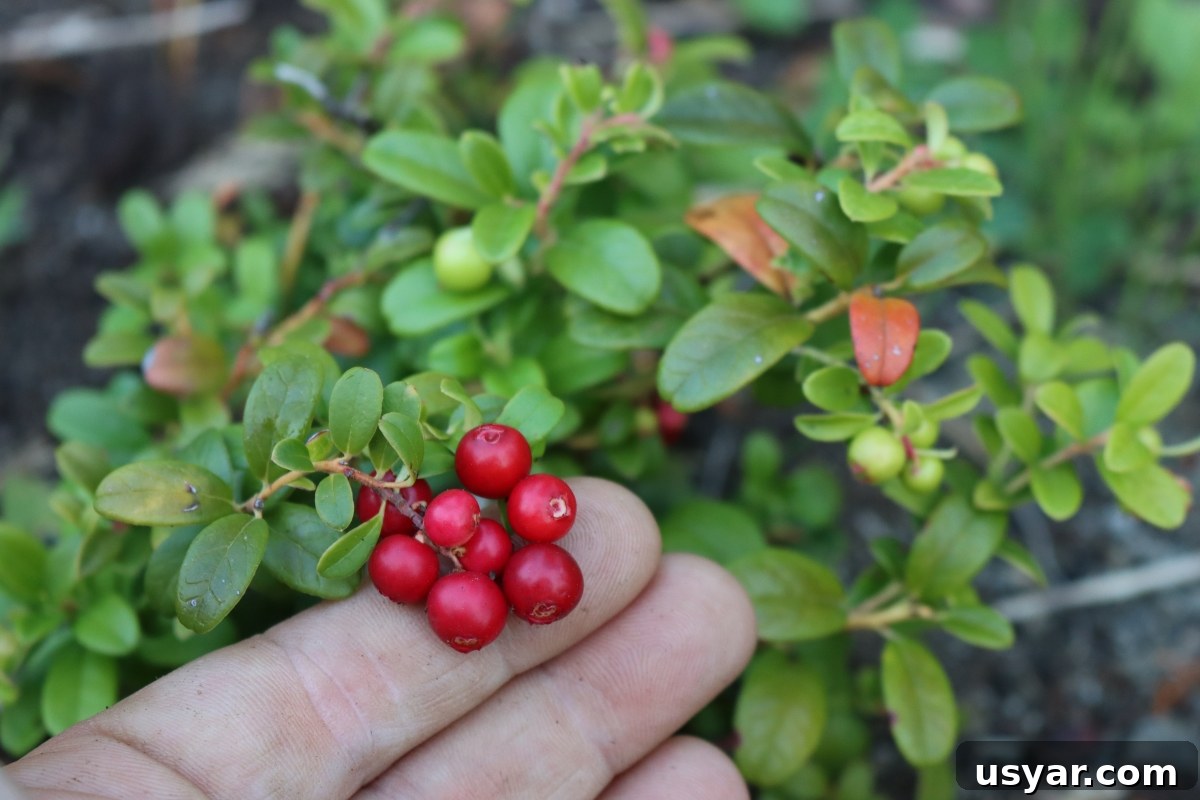
Lingonberry plants are hardy, low-growing perennials that produce tart-sweet red berries perfect for fresh eating or preserves. They are related to cranberries and blueberries but tend to be sweeter and less astringent.
My Norwegian grandmother was a superb baker who filled our holiday table with traditional Scandinavian treats. After she passed, I began preparing more of those family recipes and found that sourcing some specialty ingredients was difficult. Rather than hunt for rare items, we started growing many of the ingredients ourselves. Lingonberries turned out to be one of the easiest to cultivate, and they have become a welcome addition to our garden and kitchen.
What are Lingonberries?
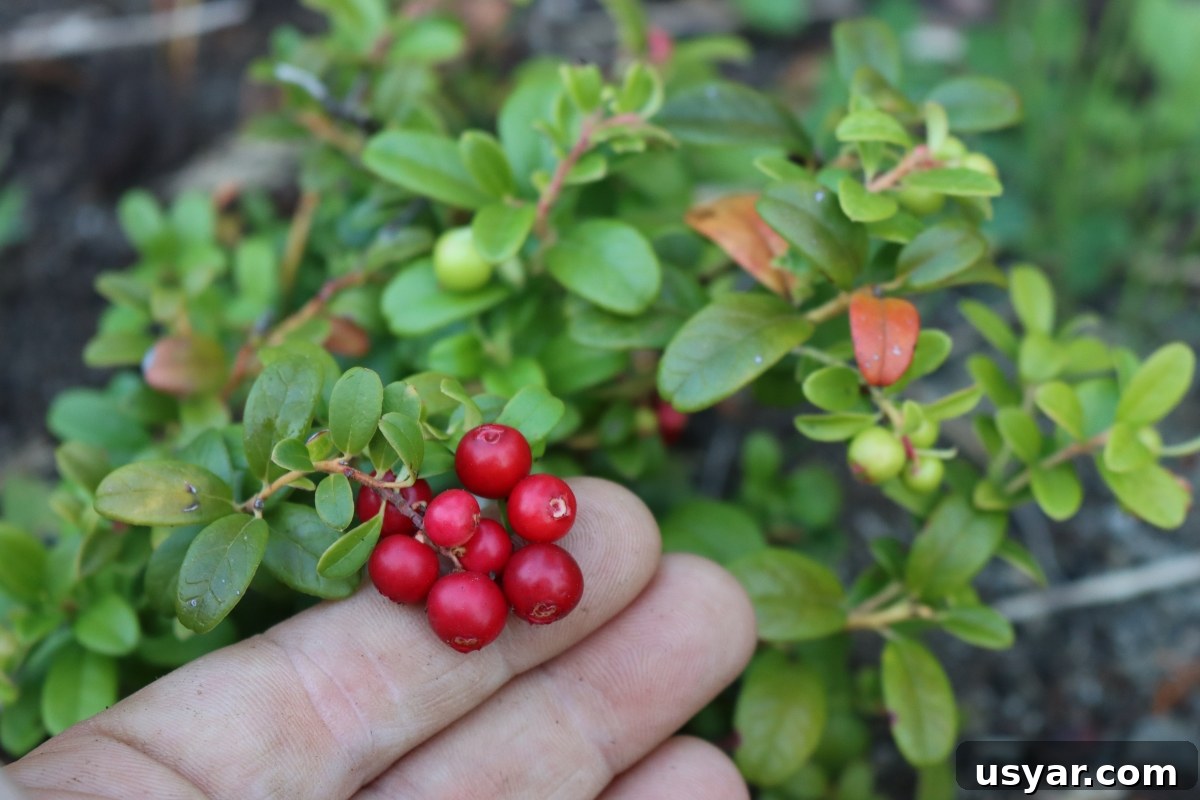
Lingonberries (also called cowberries or lowbush cranberries) are small red berries produced on a low, woody shrub that typically reaches 12–16 inches in height. They spread by underground runners or seeds and often form a dense carpet across the garden. The flavor is similar to cranberries but usually sweeter and less astringent.
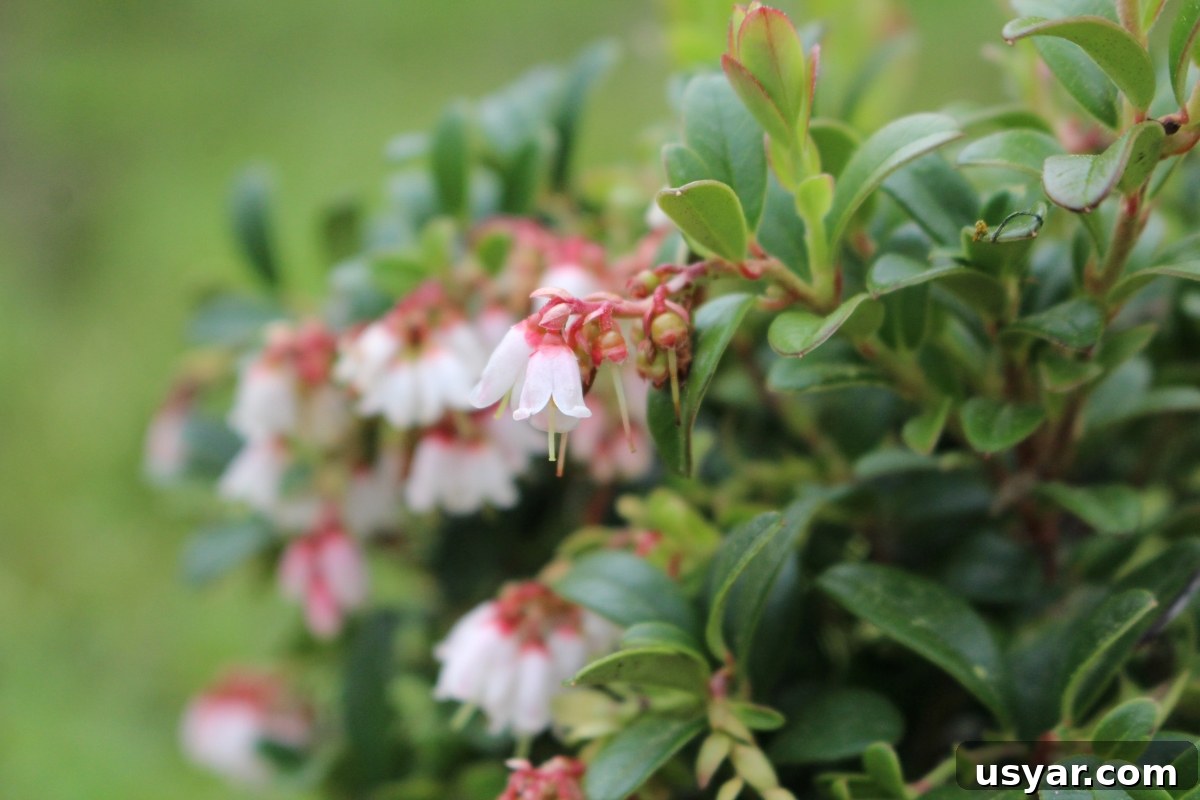
These shrubs produce attractive bell-shaped flowers in spring that can be white or pink and draw pollinators like bees. Over the growing season they set many small berries, with ripe fruit appearing in late summer to early fall depending on the variety and local climate.
Where do Lingonberries Grow?
Lingonberries are well adapted to cold climates. They tolerate severe winters and need significant chilling hours—often similar to many blueberry varieties—to set fruit. In Scandinavia they grow naturally across woodlands and moorlands. Although they are less common growing wild in much of the United States, they can be successfully cultivated with the right site and soil conditions.
Because they prefer cool winters, lingonberries do particularly well in regions with chilly dormant seasons and are a good choice for gardeners who want a low-maintenance, cold-hardy fruit plant.
Where to Plant Lingonberries
Choose a spot that receives ample sunlight—typically six to eight hours a day—to encourage the best yields. Lingonberries tolerate partial shade but perform best when they get plenty of light.
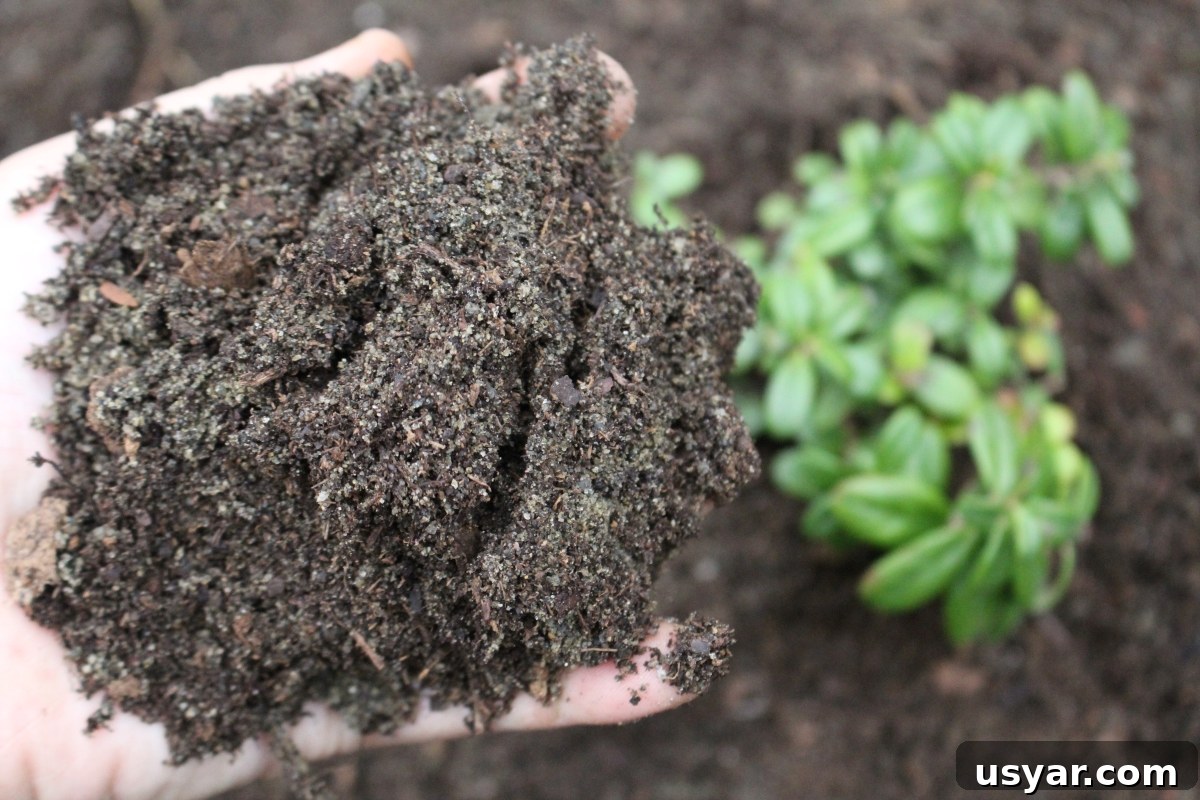
One of the most important requirements is acidic soil. Lingonberries prefer a soil pH between about 4.2 and 5.2. Test your soil before planting and lower the pH if necessary using recommended soil amendments for acid-loving plants. Adding peat moss or pine bark mulch will help acidify and loosen the soil.
Prepare beds by turning the soil to a depth of 6–12 inches and removing rocks or debris. Incorporate organic matter such as compost, well-rotted manure, or leaf mold to create a light, well-draining mix. A common planting medium is a blend of compost, peat moss, and sand in roughly equal parts to improve drainage while maintaining acidity.
The best time to plant is in spring after the last frosts. Lingonberries are suited to cooler USDA zones but can also be grown successfully in containers if you adjust soil and watering to meet their needs.
Planting Lingonberries
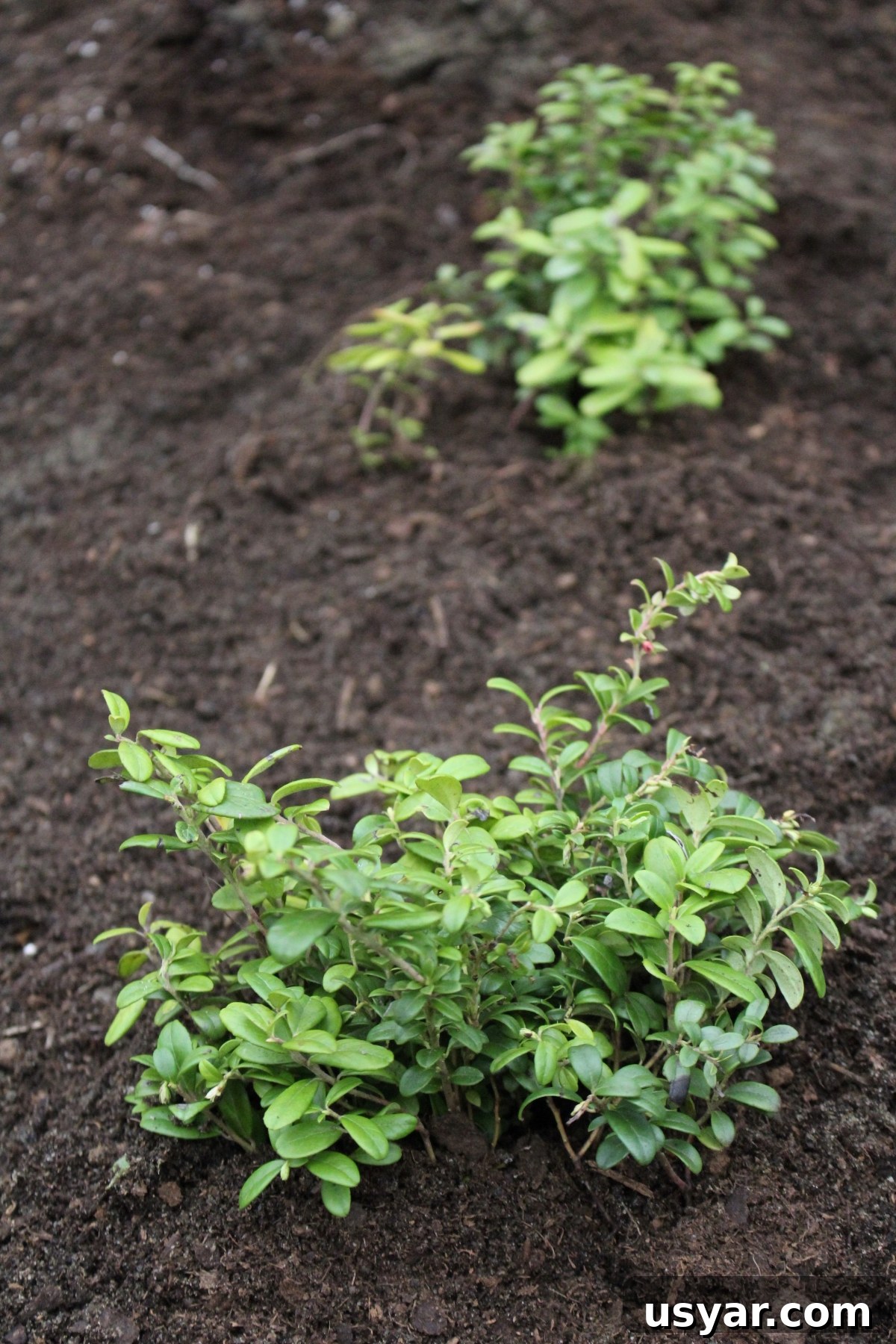
When planting, allow space for the plants to spread. Space plants 12–18 inches apart within rows and leave four to five feet between rows so the beds can be maintained and to improve air circulation. Mark plant positions before digging.
Dig holes twice the diameter of the root ball and set the plant so the crown is level with the soil. Backfill, firm the soil around the roots to remove air pockets, and water deeply to settle the root zone. Apply a 2–4 inch layer of mulch to conserve moisture and suppress weeds. Early competition from weeds can reduce young plants’ vigor, so keep beds weed-free until the lingonberries establish and spread.
Where to Buy Lingonberry Plants
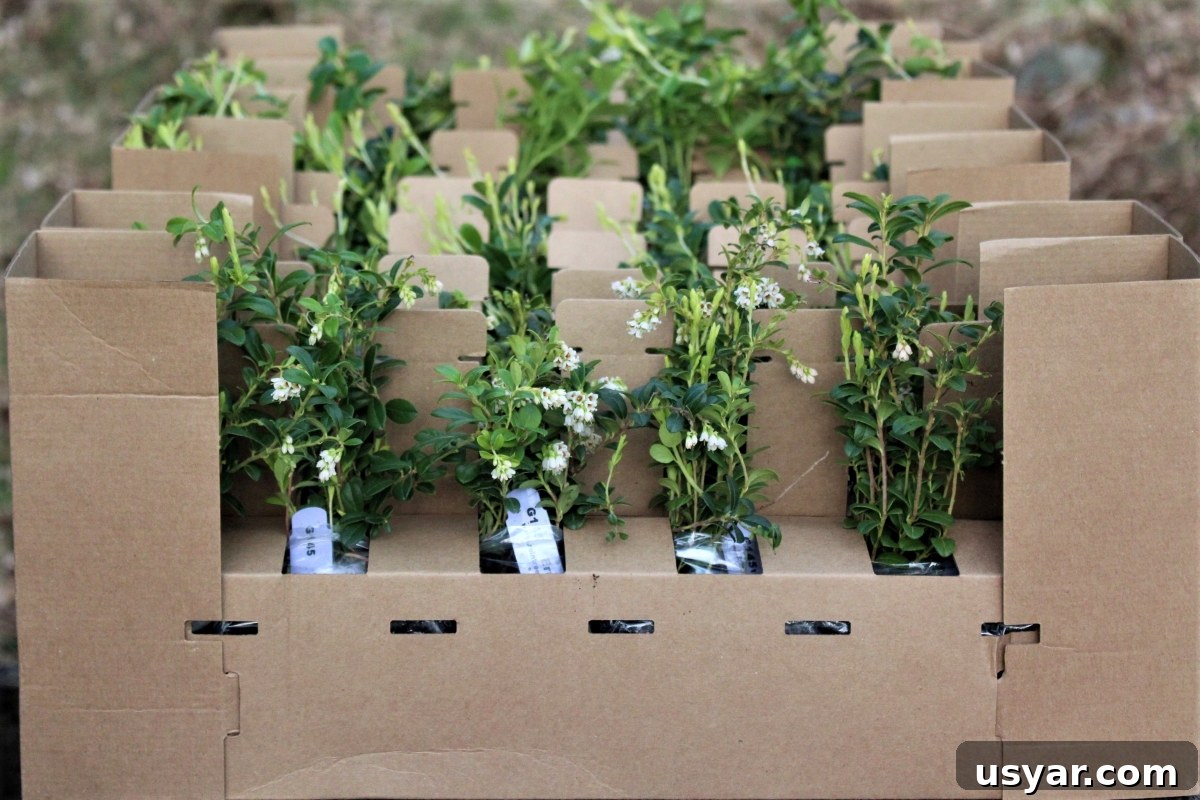
Many garden centers and nurseries now stock lingonberry plants, often displayed near other acid-loving fruit shrubs like blueberries and cranberries. If you prefer mail-order, reputable nurseries offer lingonberry stock in spring. One plant will produce fruit on its own because lingonberries are self-pollinating, but planting two or more plants or different varieties can boost fruit set and yield.
Lingonberry Plant Care
Water regularly, particularly during establishment and dry spells. Lingonberries typically need about one to two inches of water per week while actively growing. Once established, their water needs decline but regular, consistent moisture leads to the best fruiting. Drip irrigation or soaker hoses are preferred to keep foliage dry and reduce disease risk; water in the morning so foliage can dry during the day.
Avoid heavy pruning during the first five years except to remove dead wood. Removing flowers in the first year can help the plant direct energy toward vegetative growth rather than fruiting. After several years, a light renewal pruning in early spring—removing older, weak canes and retaining the most vigorous growth—helps maintain productive plants.
In fall, reduce watering as plants prepare for dormancy. Apply a generous layer of mulch once the ground freezes to protect roots from repeated freeze-thaw cycles, which can cause damage in colder climates.
Common Lingonberry Problems
Several fungal and bacterial diseases can affect lingonberries. Bacterial leaf spot appears as small angular spots that may expand and affect flowers, while botrytis manifests as gray mold on flowers, leaves, and buds. For both issues, remove and destroy infected material, avoid overhead watering, and maintain good spacing for air circulation to reduce disease pressure.
Pests that may appear include aphids, armyworms, mealybugs, and whiteflies. Encourage natural predators such as lady beetles and parasitic wasps, and use insecticidal soaps or neem oil if infestations become severe. Regular monitoring and early intervention will help keep populations low.
Harvesting Lingonberries
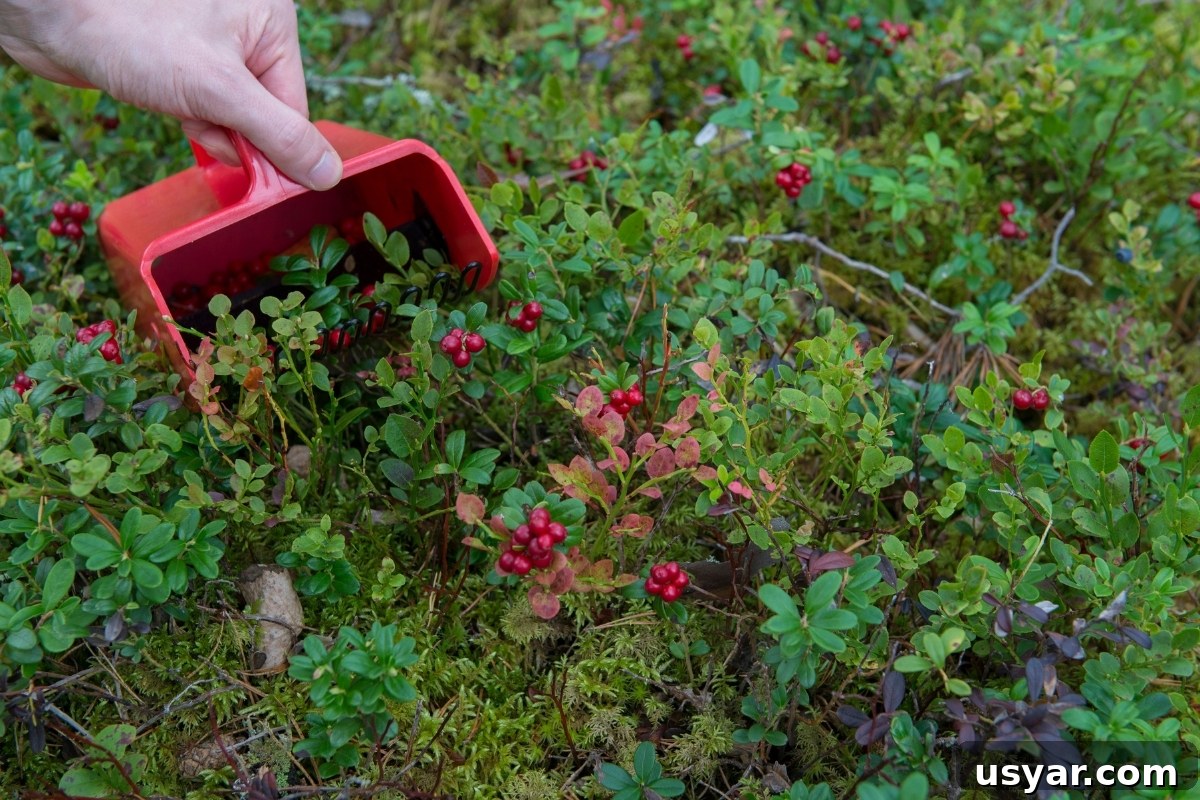
Lingonberries often yield two crops, typically in late summer and into early fall. Protect ripening berries from birds with netting suspended above the plants while keeping the netting off the fruit itself. Pick berries when they are firm and fully red. Hand-picking is common, but a small rake designed for blueberries can speed harvests when many small berries are present.
Berries ripen over several weeks, and different varieties mature at different times. Once picked, store lingonberries at 32–40°F in the refrigerator, where they can keep for 8–12 weeks—longer than many other berries. They also freeze well: spread in a single layer on a baking sheet to freeze individually, then transfer to an airtight bag for long-term storage.
Lingonberry Recipes
Homegrown lingonberries are versatile in the kitchen. Popular uses include jams and preserves, a sweet-tart sauce to accompany savory dishes, pastries filled with lingonberries, and additions to muffins or breakfast breads. Lingonberry sauce is a classic pairing with meat dishes in Scandinavian cuisine, while jam and baked goods showcase the berry’s bright flavor.
Fruit Growing Guides
If you enjoy growing lingonberries, you might also explore other small fruits suitable for home gardens, such as honeyberries, ground cherries (husk cherries), cornelian cherries, Nanking cherries, and shipova. Each has its own site, soil, and care needs, but they can all be rewarding additions to a home orchard or permaculture garden.