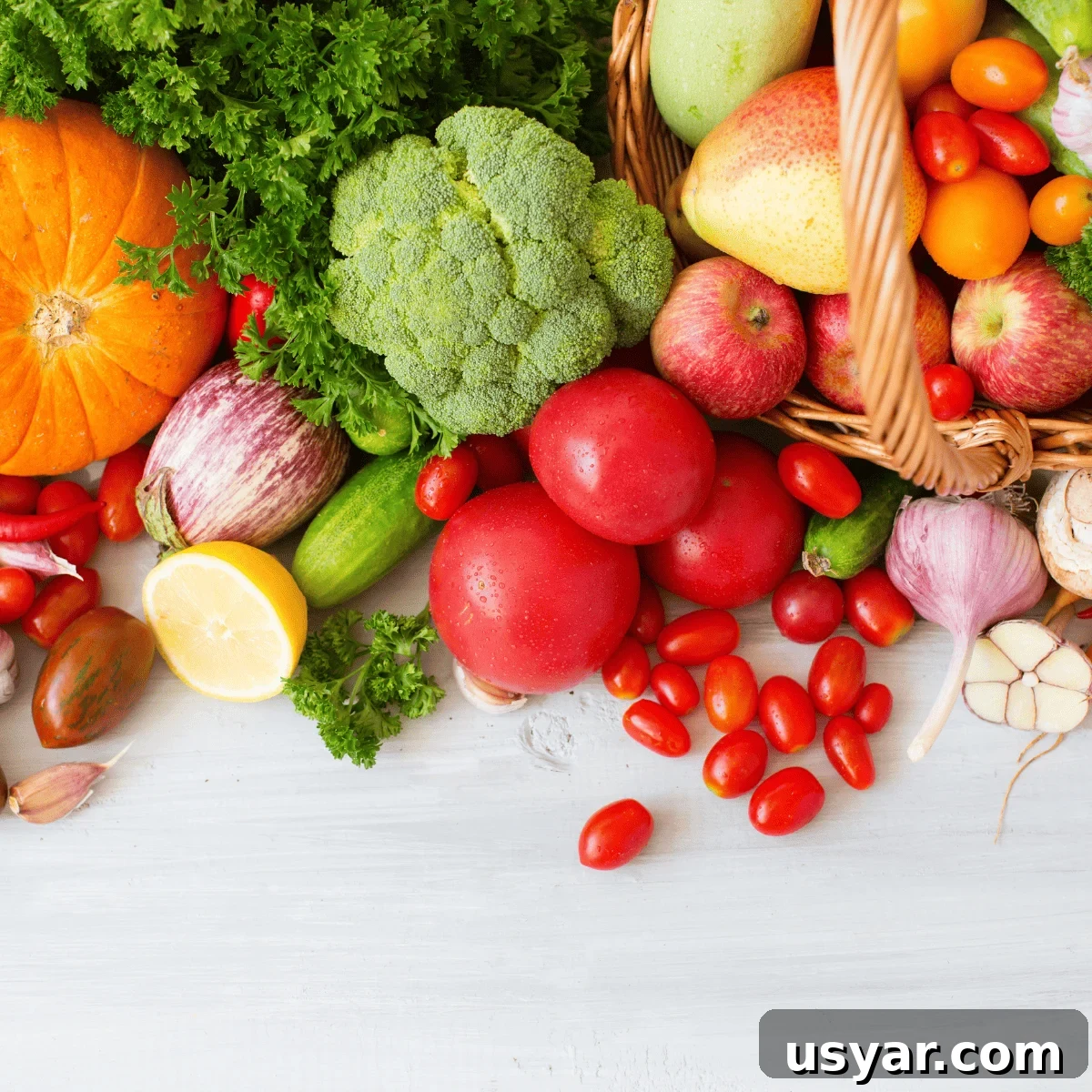
As parents, we all want our children to eat well — and that usually means getting some vegetables on the plate. But what if a child refuses to touch anything green? Is it okay to blend vegetables into foods, or is that deceptive?
Every parent knows the stories: a child who eagerly devours beets, collards, and turnips, or the reality — most of us face eye rolls, shrugs, and a lot of resistance when vegetables are offered.
So what’s a practical, realistic approach for families dealing with picky eaters and vegetables?
Vegetables for picky eaters
Vegetables can be a sticking point for many kids. Repeated requests to “eat your green beans” rarely change minds, and tactics like bribing, forcing, or pleading tend to backfire. Picky eating is common, and it usually responds best to patient, consistent strategies rather than pressure.

Do we hide veggies in our kids’ food?
Many families add vegetables into recipes — spinach in smoothies, squash in mac and cheese, or grated zucchini in muffins — because it’s an easy way to boost nutrition. That approach is understandable, and it can work well when used thoughtfully.
Rather than thinking of this as “tricking” children, it helps to view vegetables simply as ingredients. Just as we wouldn’t call milk or fruit a secret when they’re in a smoothie, adding mild-tasting vegetables can be a normal part of a recipe. The goal is not deception but inclusion.
That said, it’s also important to help children learn what individual vegetables taste and feel like. If they only ever encounter veggies blended into other foods, they miss the chance to become familiar with whole vegetables’ textures and flavors.
Vegetables are just ingredients
When we stop treating vegetables as something to hide, it becomes easier to incorporate them naturally into meals. Vegetables offer texture, color, and sometimes subtle flavors that enhance a dish — avocado or riced cauliflower can add creaminess to smoothies, while roasted carrots bring natural sweetness to a tray of sides.
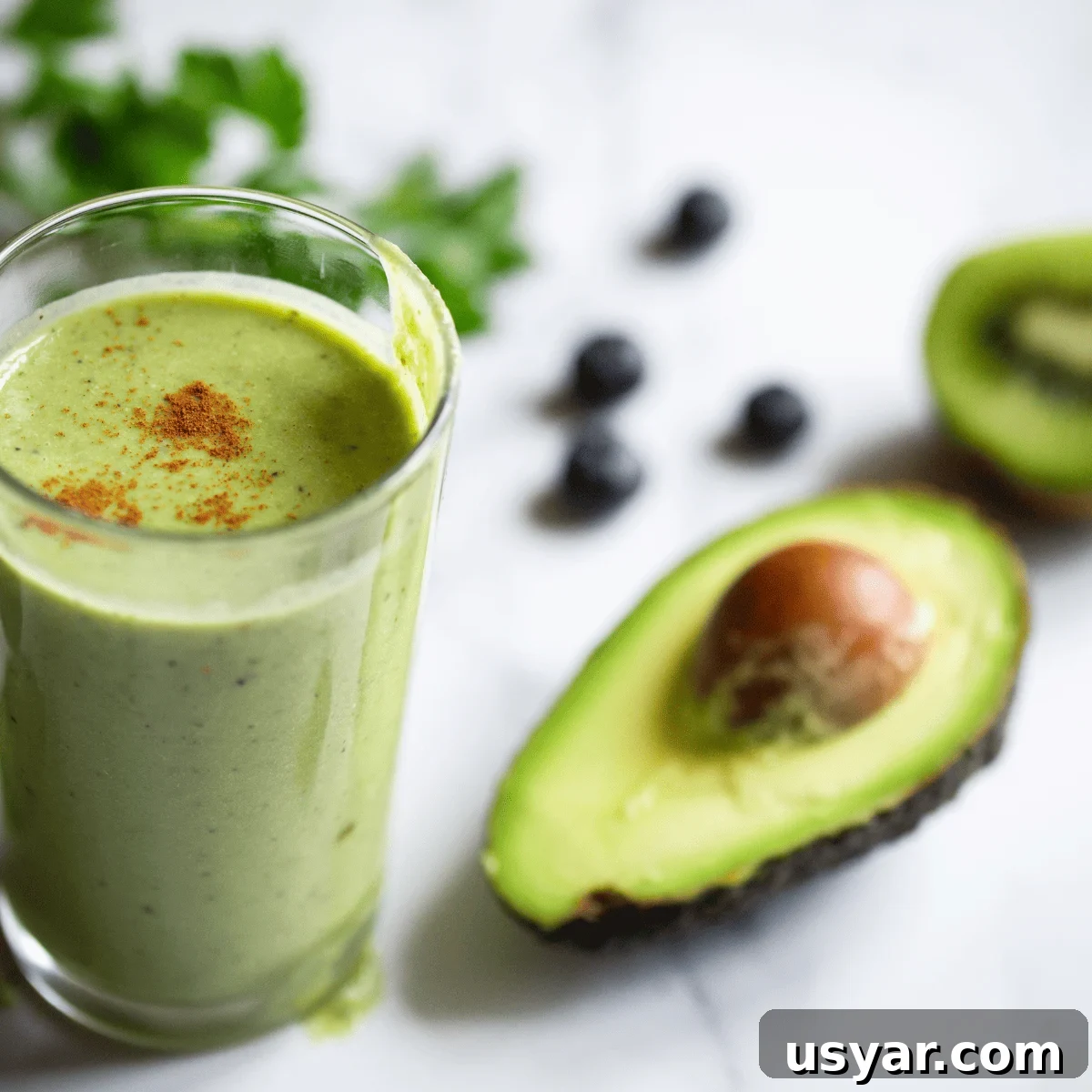
Start early when possible: babies and toddlers tend to be more open to new textures and flavors. You can offer steamed vegetable sticks for baby-led weaning or purees if that’s easier. Repeated, calm exposure over time helps children accept more variety.

A combined approach to vegetables for kids
It doesn’t have to be all or nothing. A combined approach works best: sometimes serve vegetables plainly so kids can explore them, and other times incorporate vegetables into dishes they already enjoy. Both strategies complement each other.
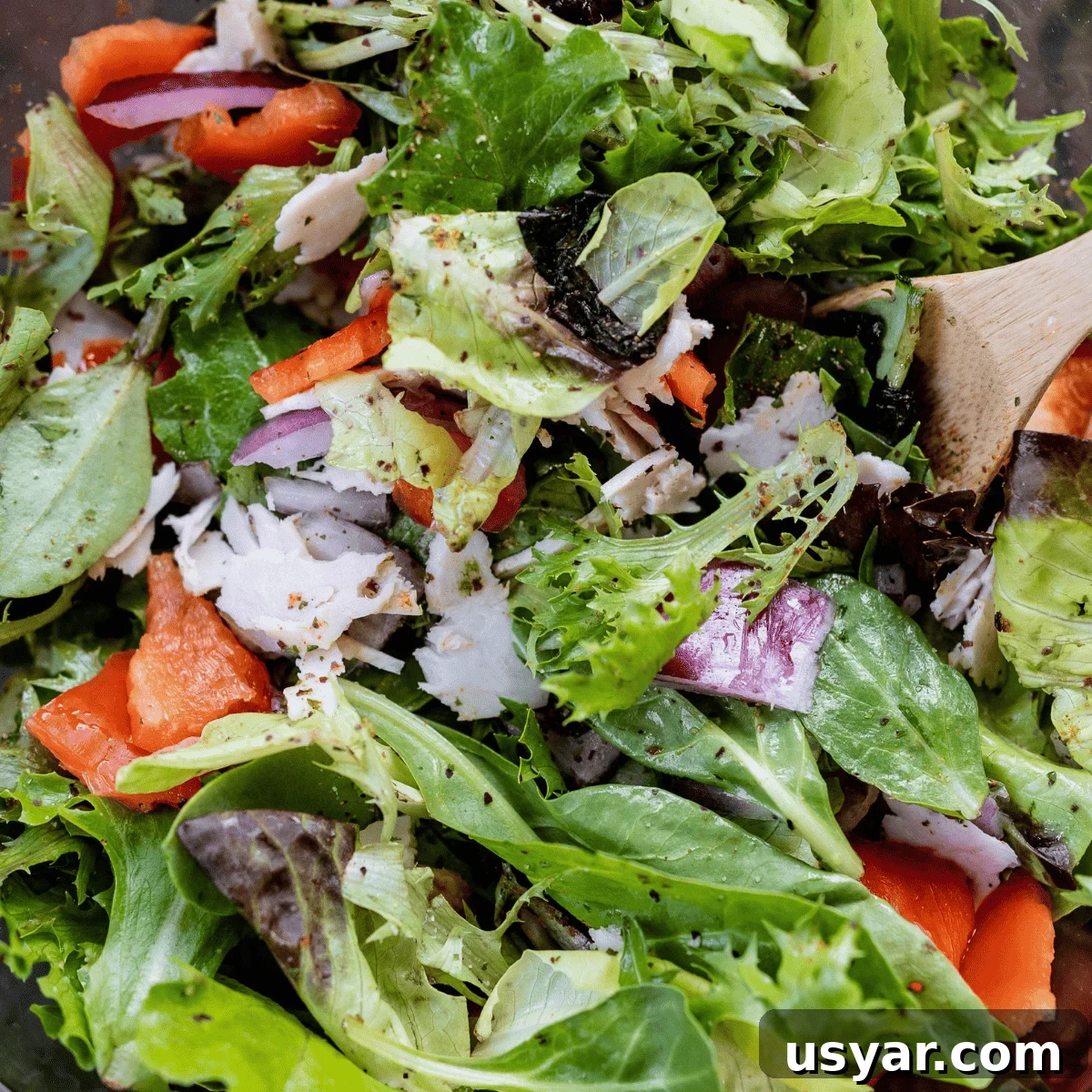
Offering whole vegetables helps kids learn textures and flavors — the crunch of a snap pea, the sweetness of a roasted carrot, or the creaminess of avocado. Presenting veggies honestly maintains trust and reduces negative emotional reactions to food.
What to say when you talk about veggies to kids
Don’t lie about what’s in a meal. If a child refuses something because it contains celery or another ingredient, let them opt out without drama. At the same time, avoid disparaging comments about foods in front of kids (for example, don’t call Brussels sprouts “disgusting” if you want them to try them someday).
Explain simply that some meals include vegetables as part of the recipe, and sometimes vegetables are served on the side. Keep language neutral and offer opportunities to try small tastes without pressure.
Best vegetable recipes for picky eaters
Here are practical ideas for adding vegetables in ways that feel natural and appealing to children. The aim is never to force or trick, but to gently increase exposure and acceptance.
Crunchy and sweet vegetables
Start with milder, naturally sweet vegetables: thinly sliced raw carrots, red bell pepper strips, snap peas, and jicama. Offer them on a snack tray with a favorite dip like hummus or yogurt-based dressing. Dipping can make vegetables more appealing and is a low-pressure way to practice tasting and handling new foods.
Veggies in smoothies
Smoothies are an easy vehicle for mild-flavored vegetables. Spinach blends smoothly into berry smoothies, avocado adds creaminess and pairs well with many flavors, and zucchini can work in chocolate or fruit-based smoothies without a strong vegetable taste. Blended vegetables can deliver nutrients while still tasting familiar to kids.

Mixing veggies into other foods
Some vegetables blend well into sweeter or familiar foods:
- Carrots: grate into muffins or quick breads for natural sweetness.
- Zucchini: works great in banana bread, muffins, or even chocolate-based baked goods.
- Sweet potato: adds moisture and sweetness to pancakes and baked treats.
- Pumpkin: fits well in baked oatmeal, bars, or yogurt mixes.
- Avocado: mashes into puddings or smoothies for creamy texture.
For savory dishes, try pureeing sautéed onion, carrot, and celery with a little broth and freezing the puree in small portions. These cubes can be stirred into pasta sauces, mac and cheese, or rice dishes to add flavor and nutrients without altering textures drastically.
Are they just TOO picky?
Picky eating is often a phase and usually improves with gentle exposure and predictable mealtime routines. If you feel stuck, look for practical resources such as starter guides or meal plans that focus on gradual, positive steps rather than pressure. Many parents find that small, consistent changes lead to steady progress.

Supplements for picky eaters who won’t eat vegetables
Whether a child needs a multivitamin depends on their overall diet. If they eat several servings of fruit and a variety of other foods, they may get many of the same vitamins and minerals found in vegetables. If you’re concerned about nutrient gaps, consult a pediatrician or registered dietitian to determine if a supplement is appropriate.
Bottom Line on Vegetables
Vegetables are important and nutritious, but they’re not the only source of vitamins and fiber — fruits and other foods contribute, too. Try not to lose sleep over occasional resistance. Use a mix of honest presentation and creative inclusion: serve some vegetables plainly so children can learn their flavors and textures, and also incorporate vegetables into familiar dishes to boost intake quietly and naturally.
With patience, repeated exposure, and a relaxed mealtime atmosphere, most children expand their diets over time. Focus on simple, consistent strategies rather than pressure — small wins add up.